
Last updated November 25, 2026
 Sweep & inspection
 Caps & crowns
 Flue relining
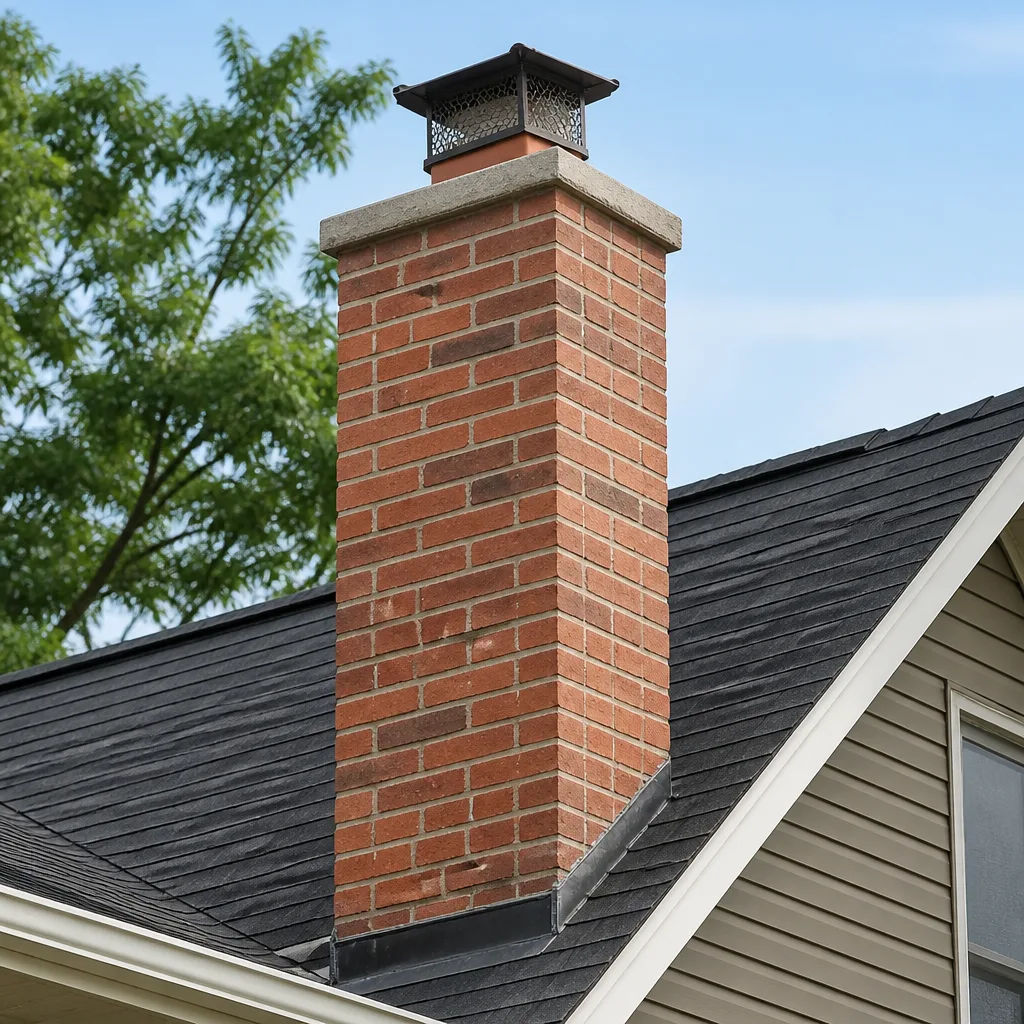 Masonry repair
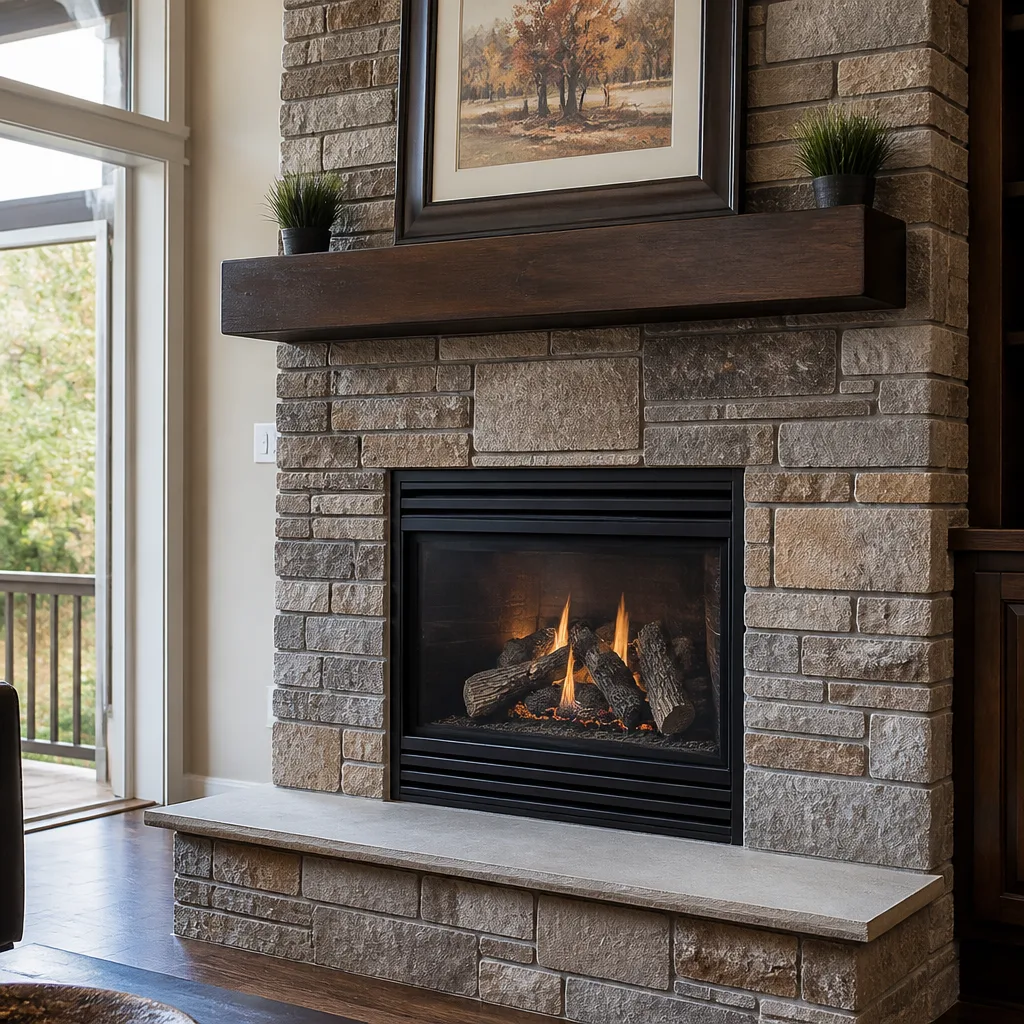 Gas fireplace service
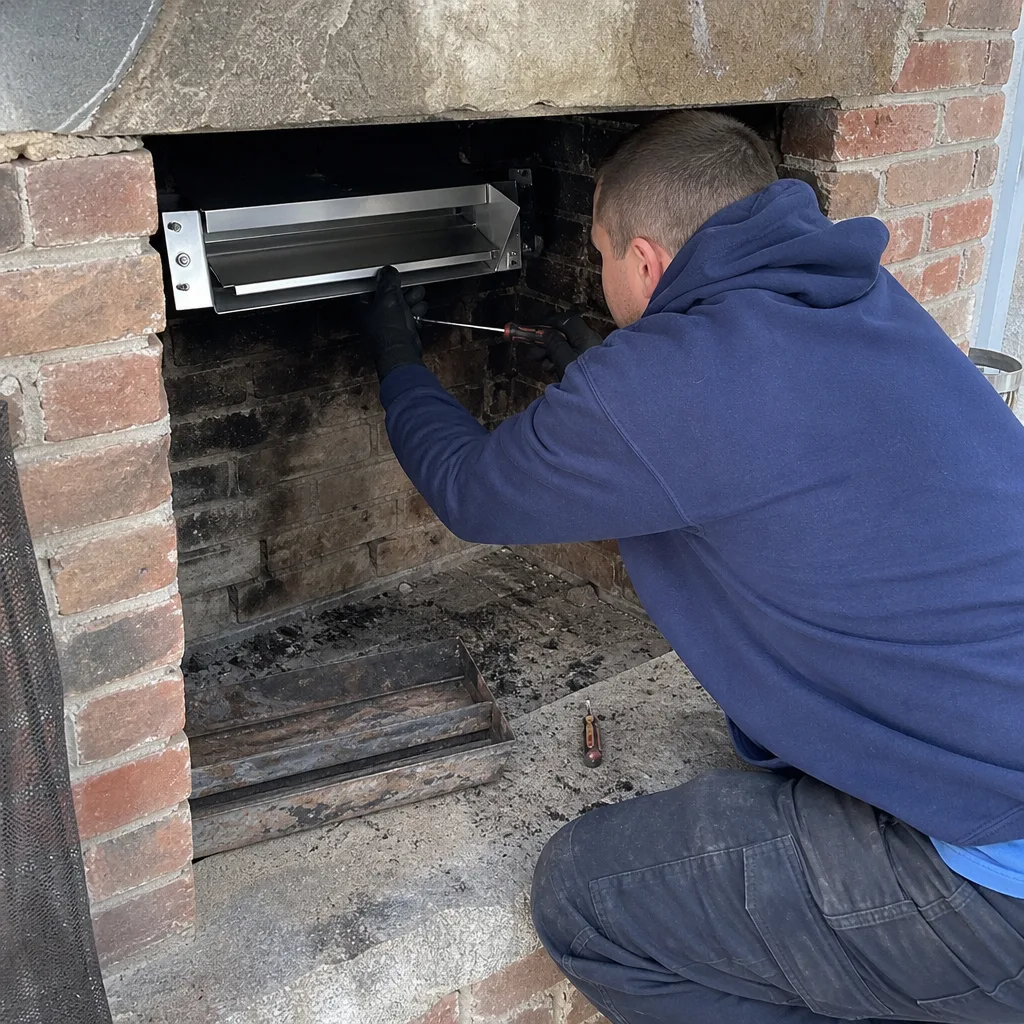
Level 1 sweep and inspection to the NFPA 211 annual standard - flue, crown, cap, and flashing checked and photographed
Chimney sweep logs do not sweep chimneys. They loosen some creosote - which then falls where a brush and vacuum still have to collect it.
Chimney Sweep Maintenance Checklist for Bayside Homeowners
The most skipped item on a homeowner’s chimney checklist is the smoke chamber. Most people don’t know the space exists. It sits just above the firebox, tapering up toward the flue, and because of its sloped walls and rough surfaces, creosote collects there faster than anywhere else in the system. You can’t see it from the hearth, and you can’t reach it with a brush from below. That single fact explains why a chimney that “looks fine” can still be a problem. This guide breaks chimney maintenance into what you can check yourself and what genuinely needs a trained set of eyes, with benchmarks tied to how much wood you actually burn. Keep reading and you’ll have a checklist you can run through twice a year in Bayside.
Quick Answer
A working chimney checklist for a Bayside home has two tiers: homeowner-visible items you check every season (cap condition, exterior mortar, damper movement, creosote buildup on the firebox walls), and professional-only items that need a camera and proper tooling (flue liner integrity, smoke chamber condition, crown and flashing seals). Chimney Sweep Bayside recommends a professional inspection once a year for wood-burning fireplaces in active use, plus a full sweep whenever you’ve burned roughly a cord of wood or logged about 30 hours on a gas fireplace. Our technicians have up to 13 years of experience, so the diagnostic eye is not guesswork.
Styles & brands we work with
- Sweep & inspection
- Caps & crowns
- Flue relining
- Masonry repair
- Gas fireplace service
Table of Contents
- The Homeowner Self-Check: What You Can Actually See
- The Professional Tier: What Requires a Camera and Tools
- Reading the Brick: Bayside Moisture Clues
- How Often to Sweep: Tied to Usage, Not Just Months
- The Smoke Chamber: The Space Everyone Forgets
- Logging Maintenance History for Resale and Insurance
- Common Mistakes to Avoid
- Frequently Asked Questions
The Homeowner Self-Check: What You Can Actually See
Start with the items that don’t require a ladder or a camera. A homeowner in Bayside can reasonably evaluate a chimney from the ground, from the hearth, and from the firebox, and that alone catches a surprising share of developing problems. The trick is knowing what “normal” looks like so you notice the exception.
Work through these checks twice a year, ideally in early fall before your first fire and again in spring once you’ve stopped burning.
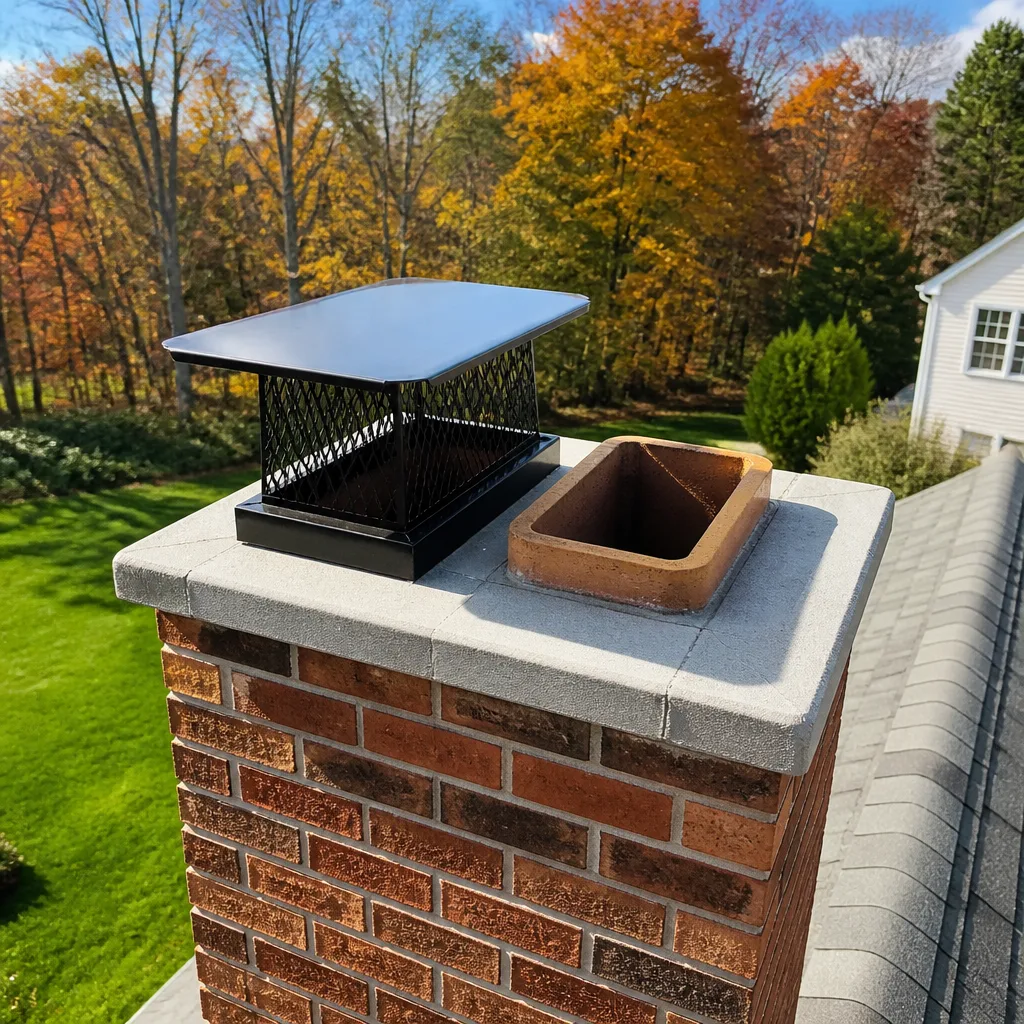
- Look at the cap from the ground. The cap is the metal or masonry cover at the very top of the chimney. It should sit flat and square, with no obvious lean, missing mesh on the sides, or rust streaks running down the flue. A cap that’s shifted or corroded lets water and animals in – two problems that get expensive if left alone.
- Scan the exterior brick for white, chalky staining. If the brick face looks powdery or shows a pale bloom, that’s efflorescence, and it’s a moisture signal. We’ll come back to this specifically for Bayside homes.
- Check the mortar joints. Look along the visible mortar lines between bricks on the chimney stack. Crumbly or missing mortar joints (called spalling or erosion) mean the joints need repointing. Small gaps now become structural problems later.
- Test the damper by hand. Open and close the damper. It should move cleanly and seat flush. A damper that sticks, drops, or won’t close fully lets heated air escape all winter and lets cold air in when the fireplace is idle.
- Shine a light into the firebox. Look up past the damper. You can see the first few feet of the flue and the firebox walls. If you see heavy, glossy, tar-like deposits or a thick flaky crust, that’s creosote buildup at a level that needs a sweep before your next fire.
- Note any new cracking in the firebox brick or mortar. Hairline cracks in the firebox are normal. Deep cracks that let you see behind the brick are not, and they warrant a professional look.
If any of these fail the eye test, that’s the trigger to book a chimney sweep and inspection rather than wait for the next seasonal window. For a full walkthrough of what a sweep involves, our chimney sweep page covers the process step by step.
The Professional Tier: What Requires a Camera and Tools
Some chimney conditions simply cannot be evaluated from inside the house. The flue liner, the upper flue, the smoke chamber, and the crown all require either roof access or a camera pushed up the flue. That’s not a knock on a careful homeowner – it’s a physical limit.
These are the items that belong in the professional tier of the checklist:
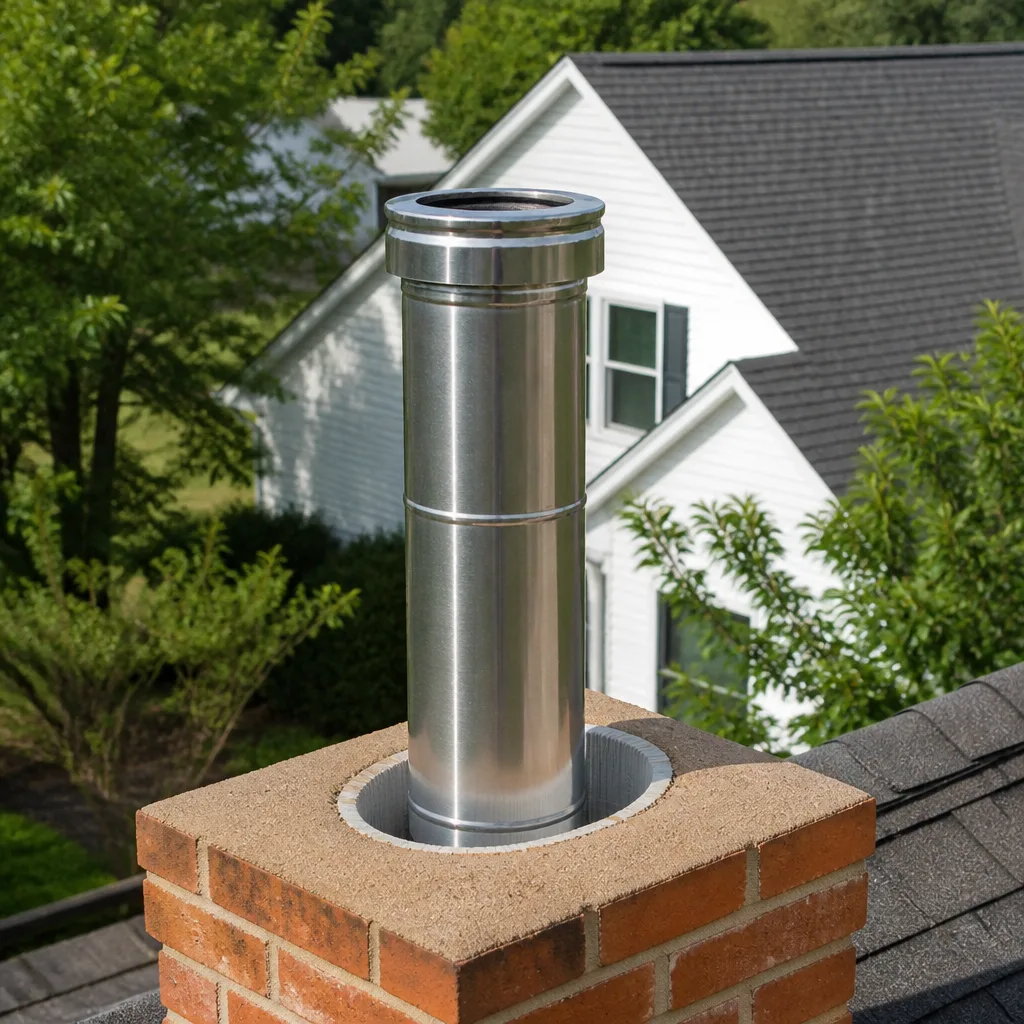
- Flue liner integrity. The liner is the wall between the hot flue gases and the surrounding structure. Clay tile liners crack, spall, and separate over years of heating and cooling. A cracked liner lets heat and carbon monoxide reach areas that shouldn’t see either.
- Smoke chamber condition. As noted in the opening, the smoke chamber is a corbeled space above the damper and below the flue. Its rough walls catch creosote, and its shape is often poorly built in older homes. Only a camera and a trained sweep can see what’s happening up there.
- Crown and flashing. The crown is the sloped concrete or masonry cap on top of the chimney that sheds water away from the flue. Flashing is the metal seal where the chimney meets the roof. Both are evaluated from the roof with close inspection, and both are the most common entry points for water.
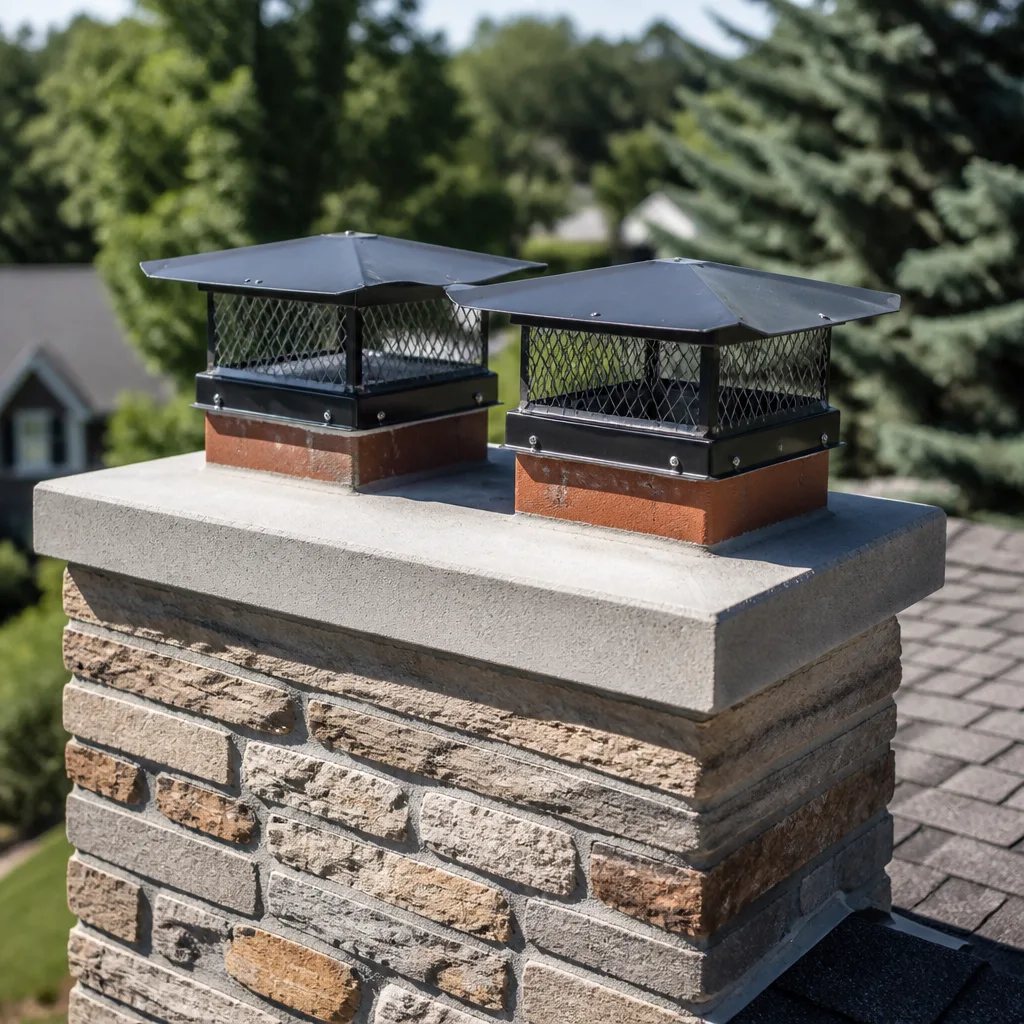
- Chimney cap and spark arrestor. Exactly how that cap is seated and whether the mesh is intact is best judged up close. Cap and crown work together to keep rain and wildlife out, and if either is failing, a professional can address both at once.
- Draft performance. A sweep running a test fire can tell if the chimney is drafting well or if it’s back-puffing, which often points to a flue sizing issue or an obstruction no self-check catches.
We bring a camera to every inspection and share what it shows before recommending anything – a clean flue is a safe flue, and so is one you can see for yourself. Our chimney repair team handles whatever the camera reveals, from repointing to liner work.
Reading the Brick: Bayside Moisture Clues
Brick is porous. It holds and releases moisture based on temperature and humidity swings, and in a Bayside climate with humid summers, freezing winters, and steady seasonal transitions, brick goes through repeated wet-freeze-dry cycles that most masonry in the country doesn’t face to the same degree. That cycle drives the most visible evidence of chimney trouble a homeowner can spot.
The most useful clue is efflorescence – the pale, chalky residue that appears on exterior brick when moisture is moving through the masonry and leaving mineral deposits on the surface as it evaporates. A small patch on a north wall can be nothing. Efflorescence that keeps returning after it’s brushed off, or that appears in vertical bands along the chimney stack, means water is entering somewhere and has nowhere else to go.
The common entry points in Bayside homes, in order of likelihood:
- Crown cracking. The crown is the first defense against rain, and small cracks let water soak down into the chase. Once inside, it travels through the brick and shows up as efflorescence below.
- Failing flashing. The metal seal at the roof transition is where most chimney leaks begin. A small gap behind the flashing directs water straight into the chimney structure, bypassing the roof.
- Missing or damaged cap. No cap means rain goes directly down the flue. It also means birds and squirrels find an easy home, and a blocked flue is a serious draft and carbon monoxide problem.
- Spalling brick faces. When brick is saturated and then freezes, the face pops off in flakes or chunks. Spalling on a chimney stack is a moisture diagnosis, not just a cosmetic one.
If you’re seeing any of those signs and want a proper evaluation of the mortar, crown, cap, or structure, our chimney cap & crown service is the place to start. Catching water infiltration early is far cheaper than rebuilding the stack later.
How Often to Sweep: Tied to Usage, Not Just Months
The calendar approach to chimney sweeping – “once a year” – is a useful default, but it’s not precise. Frequency should track how much you actually burn, not what month it is. A homeowner who runs the fireplace a handful of times in a mild winter and one who burns through two cords every cold season have very different deposit loads inside the flue.
Here’s how we benchmark usage-based frequency for Bayside homes:
- Wood-burning fireplace, light use (under half a cord per season): A professional inspection once a year, a full sweep roughly every other season if deposits stay light.
- Wood-burning fireplace, moderate to heavy use (a cord or more per season): Inspect and sweep once a season, before first fire. Heavy use builds creosote faster, and creosote at Stage 3 – the glossy, tar-like stage – is the fire risk that prompts most chimney fires.
- Gas fireplace, occasional use (under 30 hours per season): Inspection every two years is generally sufficient. Gas produces far less creosote, but it still generates moisture and can reveal liner or venting deterioration over time.
- Gas fireplace, regular or high use (30+ hours per season): Annual inspection, especially on older direct-vent or natural-draft systems where venting condition matters for performance.
- Any chimney after a change in fuel, appliance, or damper condition: Inspect before the first fire on the new setup.
If you’re unsure which bracket you fall into, log your wood purchases and fire counts for one season. Most homeowners discover they’re burning more than they thought. From there, a chimney sweep can tell you what’s actually built up and adjust the schedule. That’s how you catch it before it costs you.
The Smoke Chamber: The Space Everyone Forgets
The smoke chamber sits directly above the damper, where the firebox tapers up to meet the flue. It’s often corbeled (stepped inward like a funnel) and its surface is rough. That roughness is why it collects creosote at a higher rate than almost any other area of the system. Creosote condenses on cold surfaces, and after a fire goes out, that chamber stays cooler than the flue above it.
Two problems follow from that. First, buildup. A chimney that looks clean from the firebox up can have a serious creosote layer sitting in the smoke chamber, invisible from below. Second, drafting issues. A poorly shaped smoke chamber causes turbulence that pushes smoke back into the room – the “back puff” or smoky smell that many homeowners blame on the damper.
Addressing the smoke chamber requires a camera inspection and, if the masonry surface is rough or spalled, a resurfacing. This is where material choice matters. We use HeatShield because it’s a ceramic-based resurfacing system built specifically for the flue and smoke chamber, and it lets us restore a deteriorating surface rather than only clean it. General sweep companies that only brush and vacuum can’t reach this – and that’s the gap we built our service around.
If you’ve had a sweep and still notice smoke rolling out into the room, the smoke chamber is the first place we look. The Chimney Sweep Bayside team runs a full camera inspection on every callout so nothing is assumed. From the firebox to the chimney cap, we diagnose the whole system before recommending any repair.
Logging Maintenance History for Resale and Insurance
A maintenance record is only useful if it’s specific enough that someone else can verify what was done. Most homeowners keep a mental note and lose it by the time they sell. A one-page log changes that – and in New York, whether you’re listing a home or filing a chimney-related insurance claim, that log is the difference between “the sweep said it was fine” and a documented history a buyer or adjuster can actually evaluate.
Here’s what to capture every time you have work done.
- Date of service. The exact day, every time.
- Who did the work. Company name, plus whether it was an inspection, sweep, or repair.
- What was found. Note the results in plain language – “flue clear, light creosote on firebox walls” or “smoke chamber resurfaced with HeatShield.”
- What was done. Sweep, cap replacement, crown repair, liner install, and so on.
- Materials used. If a liner was replaced, record the brand – DuraFlex, Olympia Chimney, Gelco – and the model or type. Warranties live on the brand and product, so this matters.
- Photos if offered. Keep the camera inspection photos. They’re evidence that the condition was documented at a point in time.
- Follow-up recommended. If the technician flagged something to watch (a hairline crown crack, a joint to repoint next season), log it so you don’t forget.
Keep the whole file – invoices, warranty paperwork, photos – in a folder with your home documents. When you sell, that file gives a buyer real confidence about the hearth system. When you file a claim, it shows maintenance was done on schedule. Either way, it’s a stronger position than memory alone allows.
Common Mistakes to Avoid
- Judging the chimney only by what you can see from the living room. The firebox can look perfectly clean while the smoke chamber and flue hold real deposits. Visible cleanliness is not a condition report.
- Skimping on the cap. A missing or damaged cap is one of the cheapest problems to fix now and one of the most expensive to fix later, because everything downstream – water entry, animal nests, draft – starts there.
- Ignoring efflorescence. White staining on Bayside brick after a wet season is a moisture signal, not cosmetic chalk. If it keeps coming back, water is getting into the masonry from somewhere, and the fix gets harder the longer it’s ignored.
- Assuming gas fireplaces need no attention. Gas doesn’t build thick creosote, but it still generates moisture and can reveal vent or liner deterioration. Annual inspection catches that earlier than a failure does.
- Hiring a sweep who can only clean. If a sweep shows up, brushes the flue, and hands you a card – with no camera, no inspection, no ability to address a cracked crown or a rough smoke chamber – you’ll be calling a different company when something actually needs repair. Look for one team that can diagnose, repair, and restore.
- Waiting until the first cold snap to book. A sweep booked in September gets attention; a sweep booked in December competes with everyone else’s emergencies. Schedule before the season starts.
- Skipping the log. Without a written record of dates, findings, and brand names, you have no evidence to show a buyer or an insurer. It takes five minutes to record and pays off years later.
See the difference
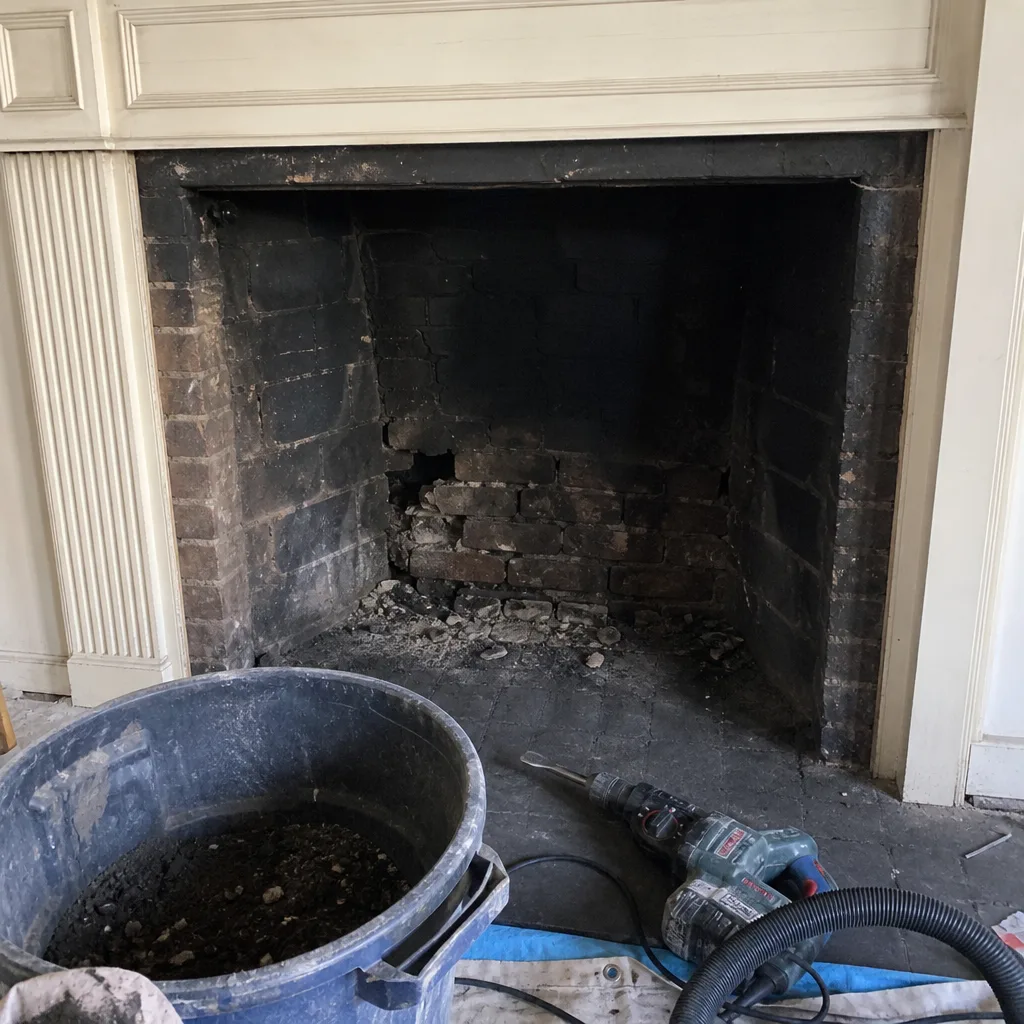 Before
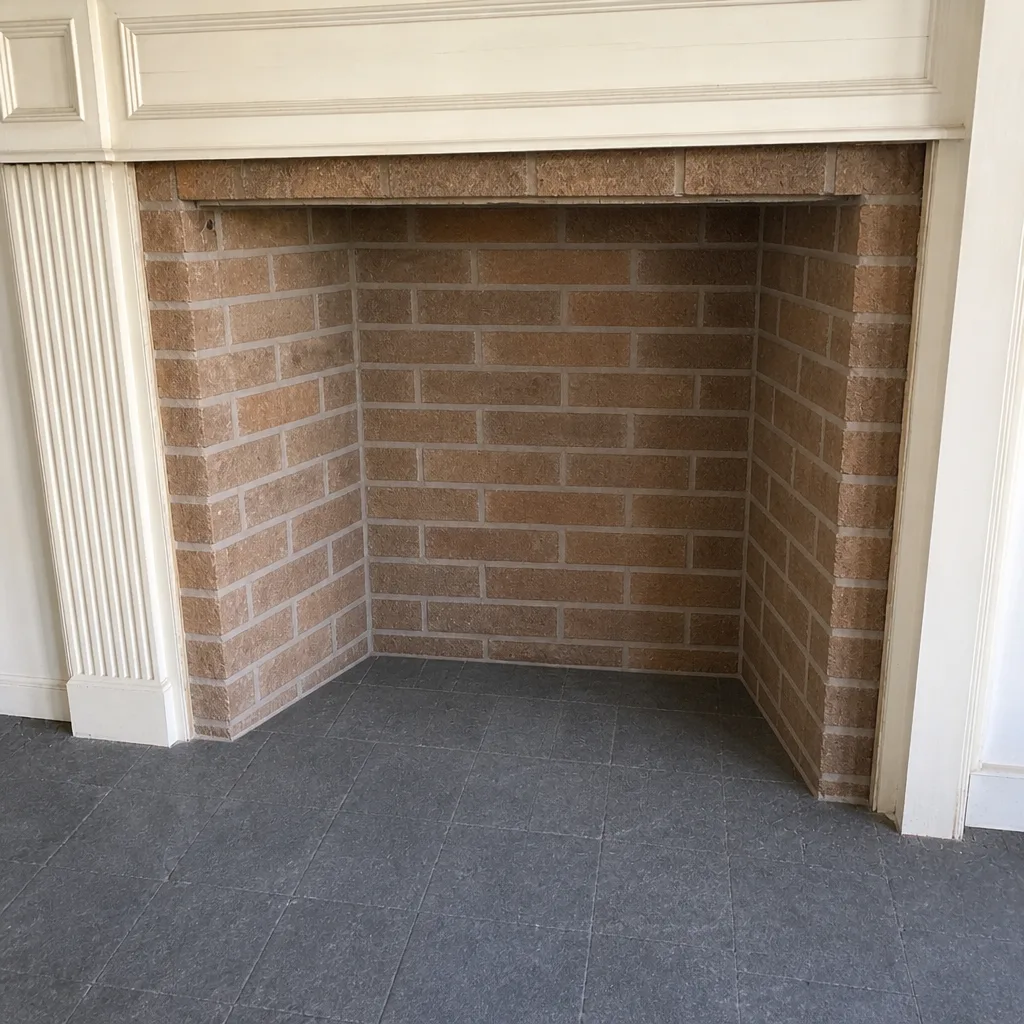 After
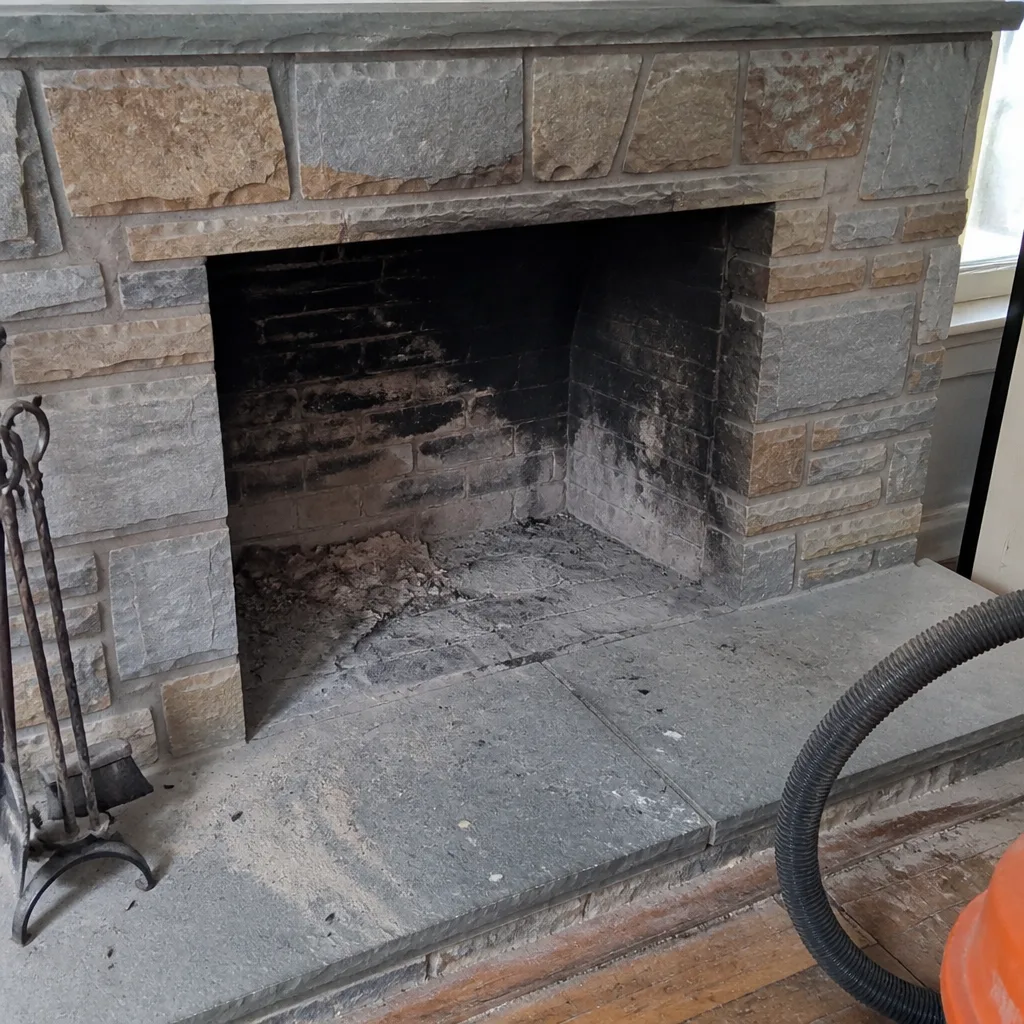 Before
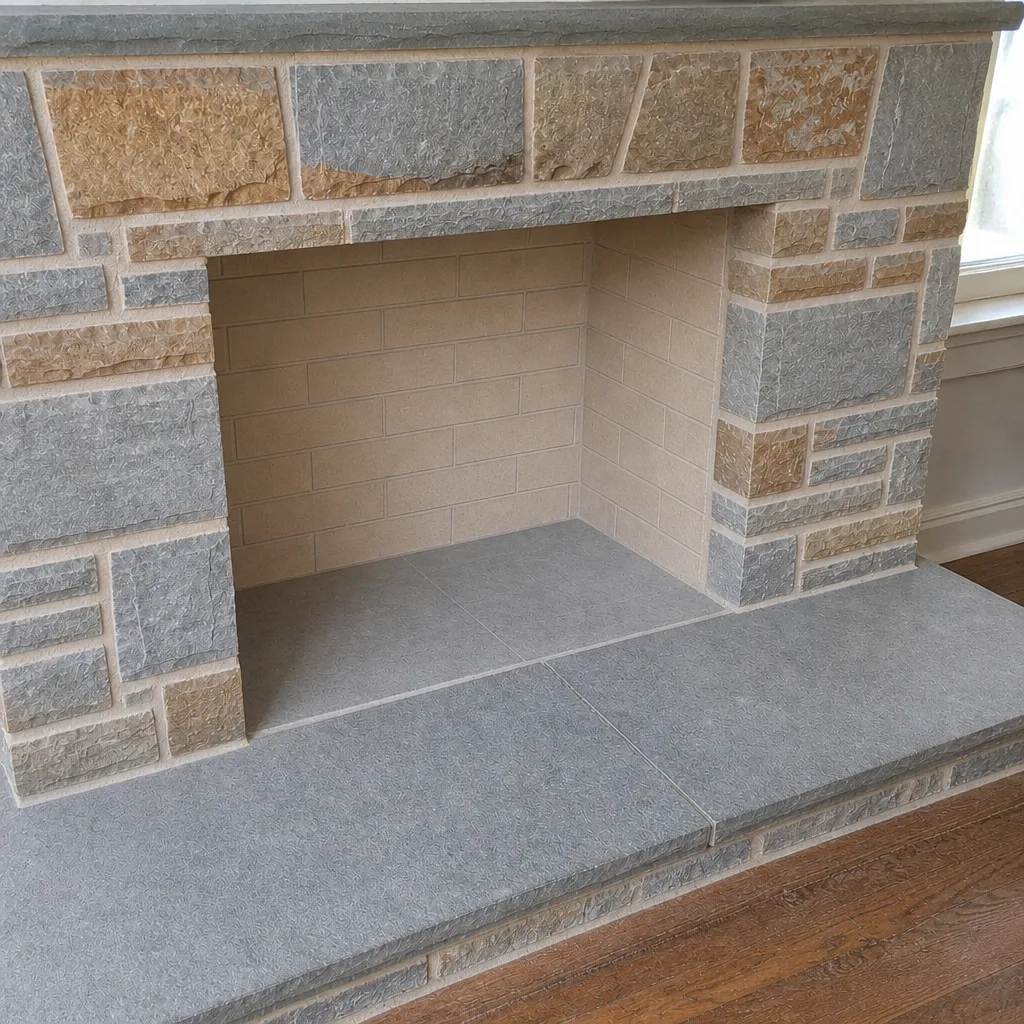 After
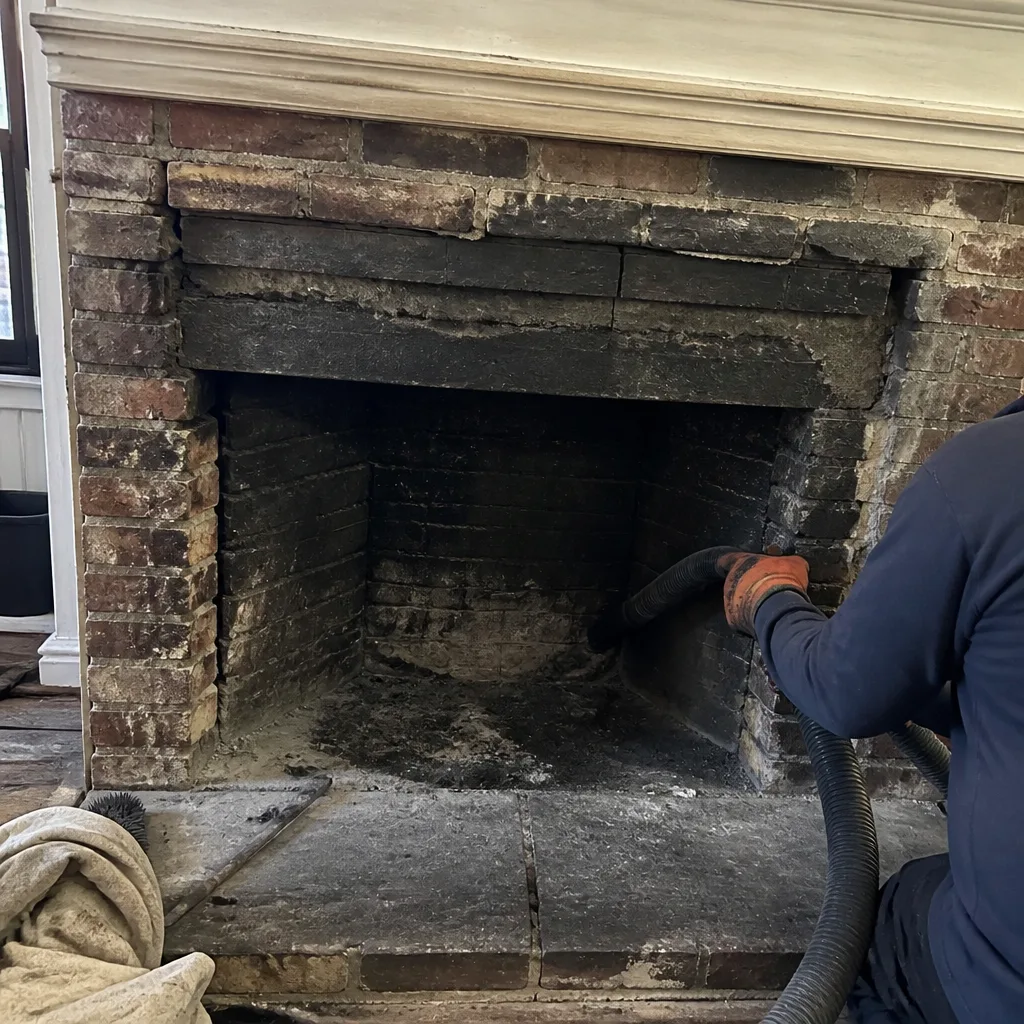 Before
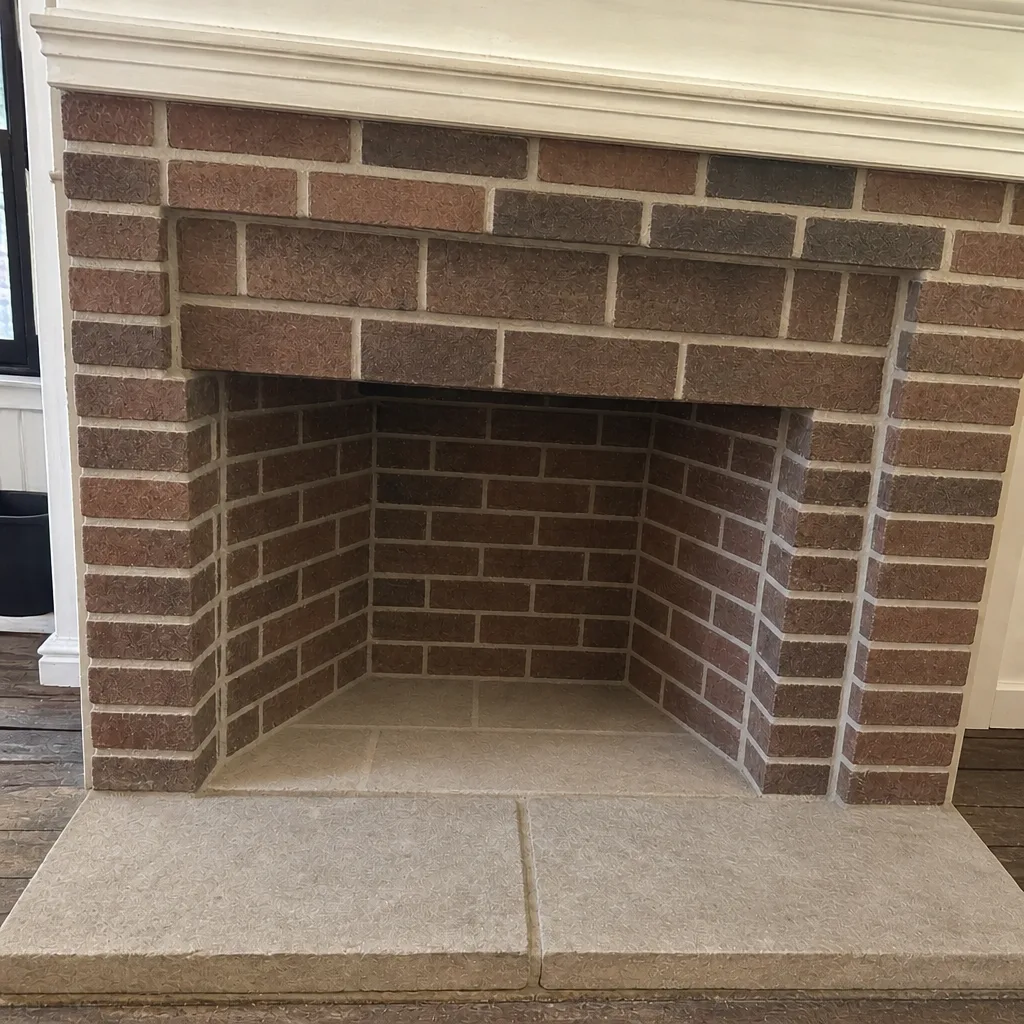 After
When to Call a Professional
Some conditions are clear signals to stop self-checking and get a trained eye on the system. Call a professional if you see any of the following: efflorescence that keeps returning after being brushed off; spalling or missing brick on the exterior stack; a cap that’s leaning, rusted through, or missing mesh; a damper that won’t seat; glossy black deposits visible above the damper; smoke that rolls into the room when the fire is lit; a strong, acrid smell in the house when there’s no fire going; or any change in how the fireplace drafts after a season of use.
Chimney Sweep Bayside offers free estimates in Bayside. Call (833) 482-5742 to book a sweep or inspection. Every visit includes a camera inspection and a photo report, so nothing gets recommended without evidence you can see for yourself.
Frequently Asked Questions
Inspect once a year for any wood-burning fireplace in active use, and sweep when deposits or usage warrant it – typically once a season if you burn a cord or more. Gas fireplaces in light use can be inspected every two years. The right schedule depends on how much you actually burn, not just the calendar.
You need a new liner only when the existing one is cracked, spalled, or separated enough to let heat or carbon monoxide reach areas it shouldn’t. That’s a condition only a camera inspection can confirm, so ask to see the footage before you decide. If your liner is intact, we’ll tell you so. Our DuraFlex liner installations are done by the same technicians who diagnosed the problem, which means no one downstream is incentivized to push a repair you don’t need.
Creosote keeps building in the flue and smoke chamber, and the fire risk rises as it thickens. Separately, small moisture problems – a hairline crown crack, a failing flashing seal – quietly spread into structural damage. Neither is dramatic at first. Both are far cheaper to address in year one than year four, which is why the maintenance schedule matters even when the fireplace seems fine. Call (833) 482-5742 for an exact quote – estimates are free.
Yes, because it’s the highest-creosote area of the system and the one most homeowners never see. It sits just above the firebox, where the flue narrows, and its rough walls collect deposits faster than the flue above. Smoke rollback and lingering creosote smells often trace straight back to the smoke chamber.
Yes, because the failure points that matter most – a cracked liner, a rough smoke chamber, a crown crack you can’t see from the ground – aren’t visible without a camera and a trained eye. A visible-good chimney can fail a proper inspection, and the whole point of annual inspection is to find those things before they cost more to fix. That’s why our visit includes a camera inspection and photo report, not just a brush and vacuum.
Pay attention to the moisture signals specific to our climate. The repeated wet-freeze-dry cycle in Bayside drives efflorescence, spalling, and mortar erosion faster than in milder climates. If you notice chalky staining on exterior brick or flaking faces, that’s your cue to book an inspection sooner rather than later.
The Bottom Line
A chimney checklist only earns its keep if it’s specific. Split it into what you can actually see – cap condition, mortar, damper function, firebox deposits, exterior brick – and what genuinely needs a camera and trained eye – flue liner, smoke chamber, crown, flashing. Check the self-tier twice a year. Have the professional tier inspected once a year if you burn wood, plus a full sweep whenever your usage warrants. Log the work with dates, findings, and brand names so the record survives to the next owner or the insurance adjuster. And remember the smoke chamber, the space most homeowners forget – it’s where creosote gathers fastest and where a good sweep will pay attention.
Whether you’re setting up a maintenance schedule for the first time or you suspect something’s off, call Chimney Sweep Bayside at (833) 482-5742 for a free estimate. We answer 24/7. Fast dispatch from 7am to 7pm, Sunday through Friday. We handle sweeping, inspection, caps and crowns, structural repair, and fireplace work – one crew, start to finish.
Written by the team at Chimney Sweep Bayside.