
Last updated November 25, 2026
 Sweep & inspection
 Caps & crowns
 Flue relining
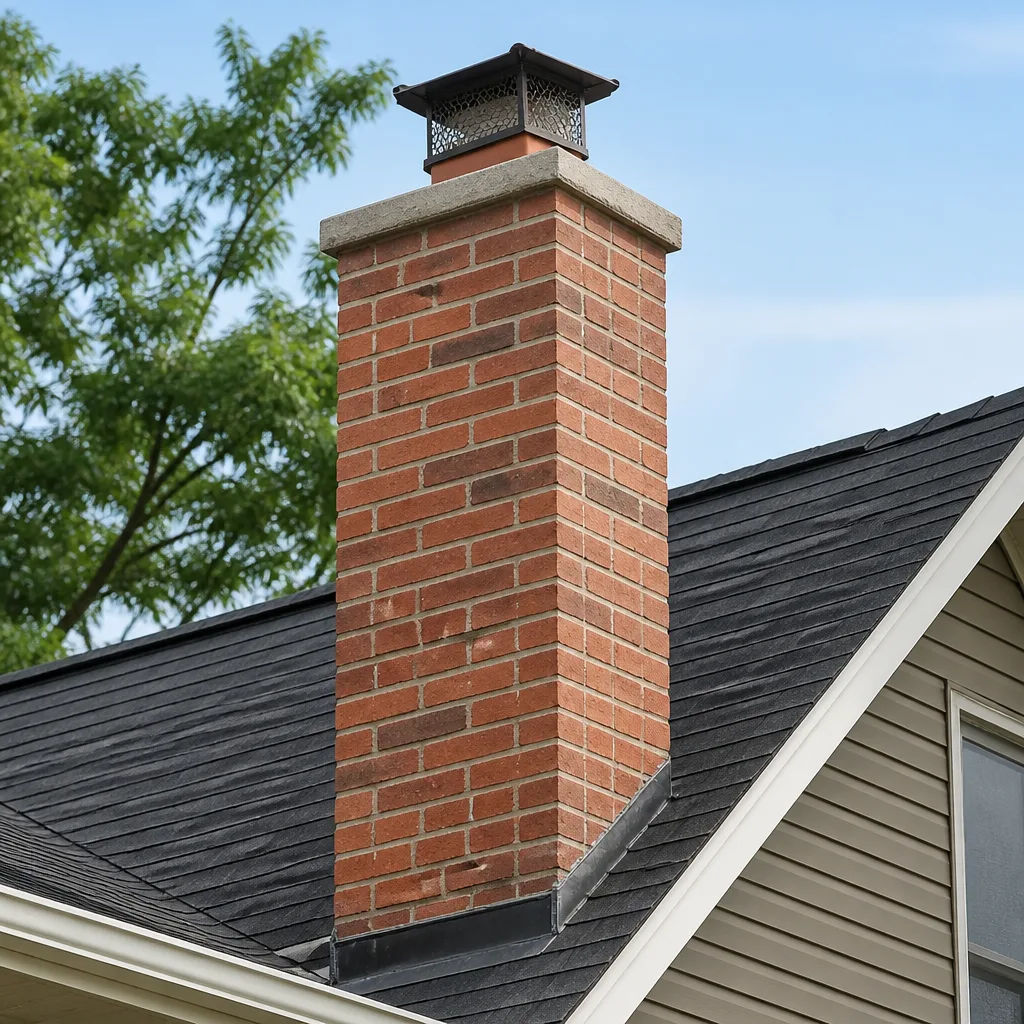 Masonry repair
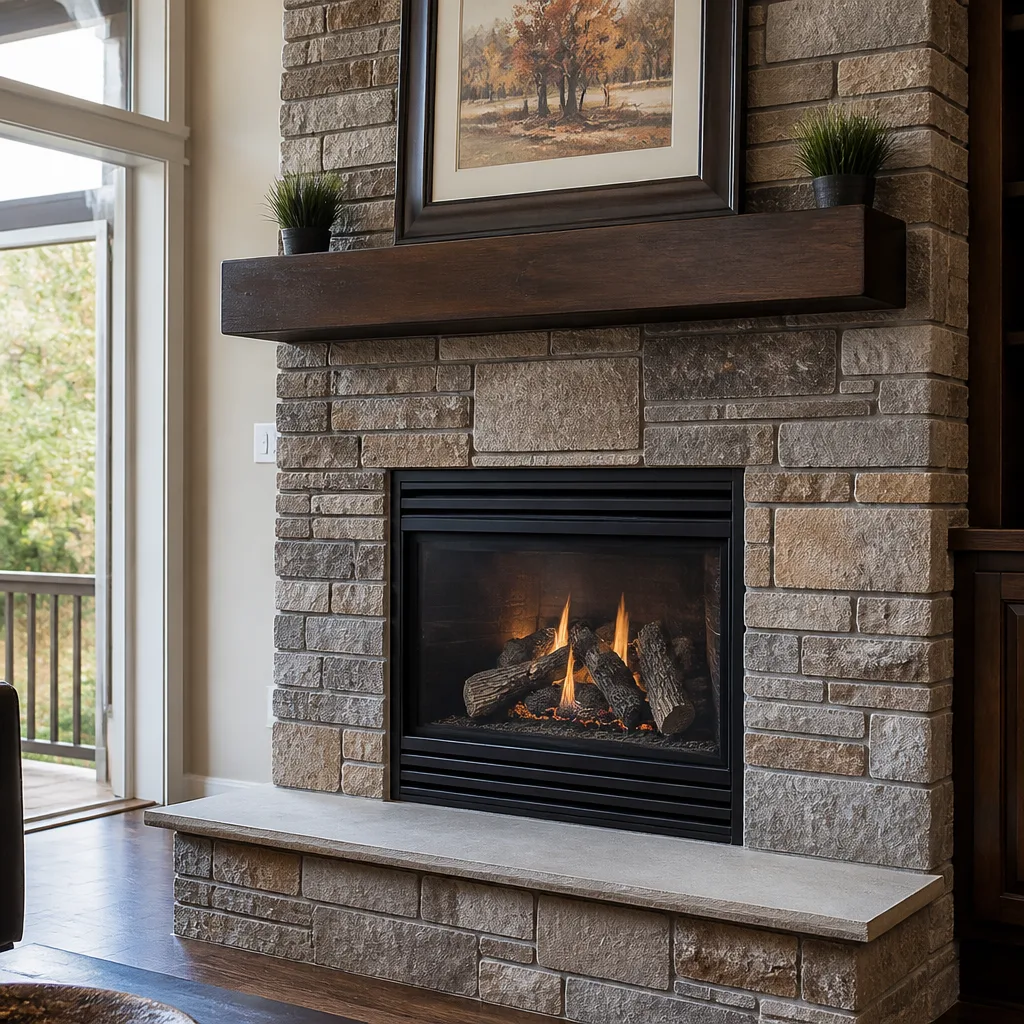 Gas fireplace service
Level 1 sweep and inspection to the NFPA 211 annual standard - flue, crown, cap, and flashing checked and photographed
Chimney sweep logs do not sweep chimneys. They loosen some creosote - which then falls where a brush and vacuum still have to collect it.
DIY vs Professional Chimney Cleaning: The Bayside Homeowner’s Decision Guide
You can buy the same brushes a professional uses for under $80, and the tool gap between DIY and professional isn’t the real problem. The gap is that a professional knows what they’re looking at when the brush comes out, and most homeowners don’t. Bayside has a lot of older homes with straight, single-story flues where a careful homeowner could physically get a brush up and back down. Whether that homeowner should is a different question, and it’s the one this guide answers. We’ll walk through the specific flue setups where DIY makes sense, where it’s genuinely risky, what stage-2 and stage-3 creosote actually are, the insurance exposure of undocumented cleaning, honest cost math, and the one thing no brush can tell you: what the inside of your liner looks like.
Quick Answer
DIY chimney cleaning is reasonable only when you have a straight flue with no offsets, a single-story run, a wood-only fireplace, a roof you can safely access, and the discipline to recognize when you’re in over your head. For everyone else – and for any flue that has ever had a heavy creosote deposit or a firebox modification – a professional sweep is the safer and often cheaper decision. The real dividing line isn’t whether you can clean the flue. It’s whether you can accurately assess what you’re cleaning before you start.
Styles & brands we work with
- Sweep & inspection
- Caps & crowns
- Flue relining
- Masonry repair
- Gas fireplace service
Table of Contents
- When DIY Chimney Cleaning Is Genuinely Reasonable in Bayside
- When DIY Chimney Cleaning Is Risky or Pointless
- Stage-2 and Stage-3 Creosote: Why Brushing Isn’t Enough
- The Legal and Insurance Exposure of Undocumented Cleaning
- What DIY Actually Costs vs. a Professional Sweep in Bayside
- The One Thing DIY Can’t Replace: A Camera Inspection
- How Bayside Housing Shapes Your Chimney Decision
- What a Professional Sweep Actually Involves
When DIY Chimney Cleaning Is Genuinely Reasonable in Bayside
We’re not going to tell you that every homeowner needs a professional every time. There’s a narrow but real category of Bayside home where a careful, well-prepared homeowner can sweep their own flue safely. If you match every criterion below, DIY is a reasonable choice – as long as you also add an annual professional inspection (more on that later).
The category looks like this:
- Straight flue with no offsets or elbows. If your flue turns even once inside the chimney chase, you can’t get a brush around the bend without specialized rotary equipment. Straight through-and-through is the only configuration a brush on rods handles reliably.
- Single-story run. A one-story flue is short enough to sweep from the roof or the firebox without ladders stacking on top of each other. Two- and three-story Bayside homes push the safe-access limit fast.
- Wood-only, and only dry, seasoned wood. If you’re burning anything other than well-seasoned hardwood – construction scraps, green wood, cardboard, or trash – you’re generating deposits faster than an annual DIY sweep can stay ahead of.
- No prior chimney fire or known damage. If there’s ever been a fire in the flue, or if you suspect cracked tile or a compromised liner, brushing alone is not enough.
- Safe roof access. A flat or low-slope roof with a stable chimney crown you can stand on without risking a fall. Most Bayside roofs don’t meet this comfortably.
If even one of those criteria fails, the honest answer is that DIY is not a fit for your chimney. That’s not a sales tactic – it’s a structural observation. Bayside has a real mix of pre-war construction with wide masonry chimneys and mid-century homes with tighter tile flues. The older masonry chimneys tend to have the straight runs that make DIY possible. The tighter, offset ones don’t.
When DIY Chimney Cleaning Is Risky or Pointless
Most Bayside chimneys don’t fall inside the DIY window. Here’s where we’d draw a hard line and tell any homeowner not to attempt it themselves.
Any flue with offsets or a liner transition
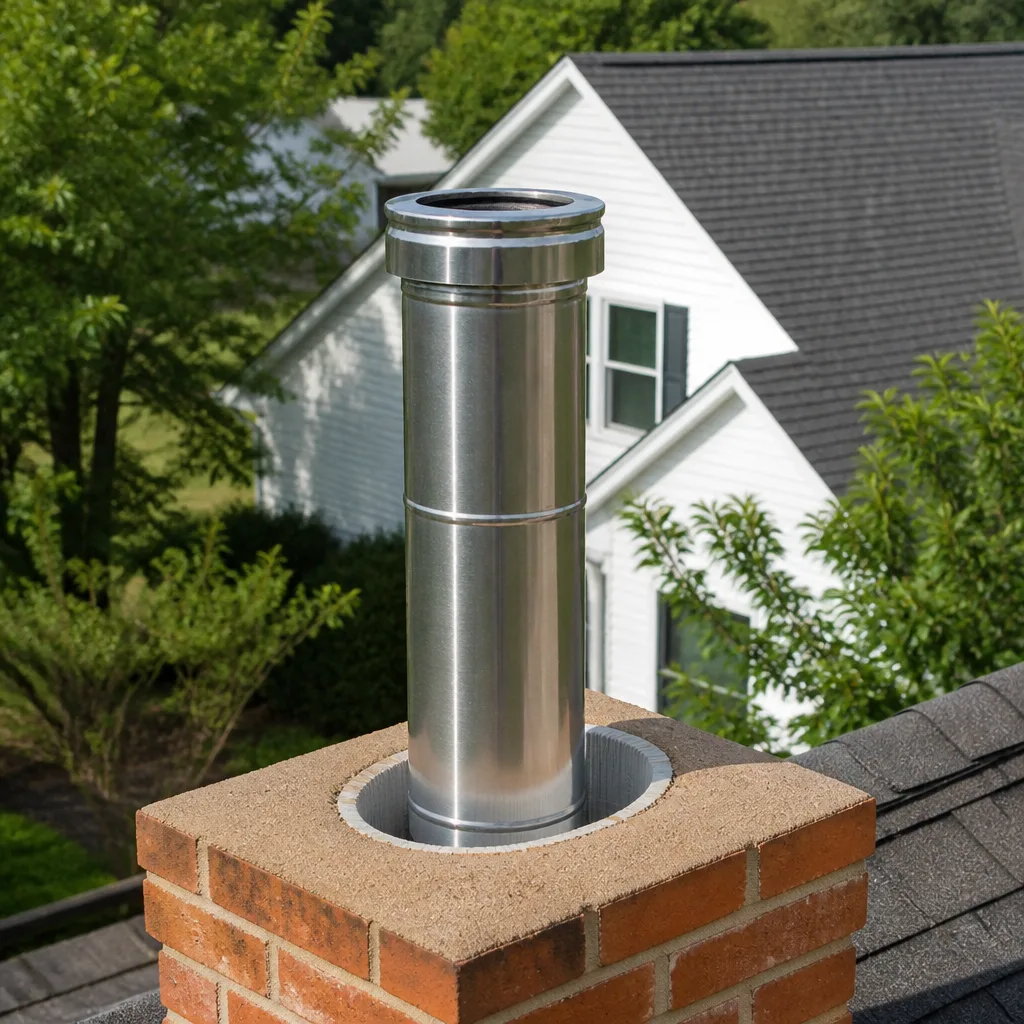
Flexible liners – the kind we install using HeatShield ceramic resurfacing or DuraFlex flexible liner systems – create a consistent interior diameter that a brush can pass through. But if the liner makes a bend inside the chase, standard brush-and-rod kits stall. Rotary whip systems with the right flexible shafts handle bends; hand brushes don’t.
Any flue with stage-2 or stage-3 creosote
This is the one homeowners most often miss. If you’ve ever burned a load of green wood or let the fire smolder down low overnight, you may have deposited creosote that looks like a shiny, tar-like glaze on the flue wall. A standard brush doesn’t remove that glaze – it just slides over it. We’ll cover this in more depth in the next section.
Gas fireplaces
A gas fireplace doesn’t accumulate the same soot and creosote that wood does, but it has its own service needs – blocked venting, corrosion, and the annual inspection of the flue and firebox. A standard chimney brush has no business in a gas flue, and the interior of the firebox needs to be checked by someone who knows what a healthy gas appliance looks like.
Any chimney with visible damage
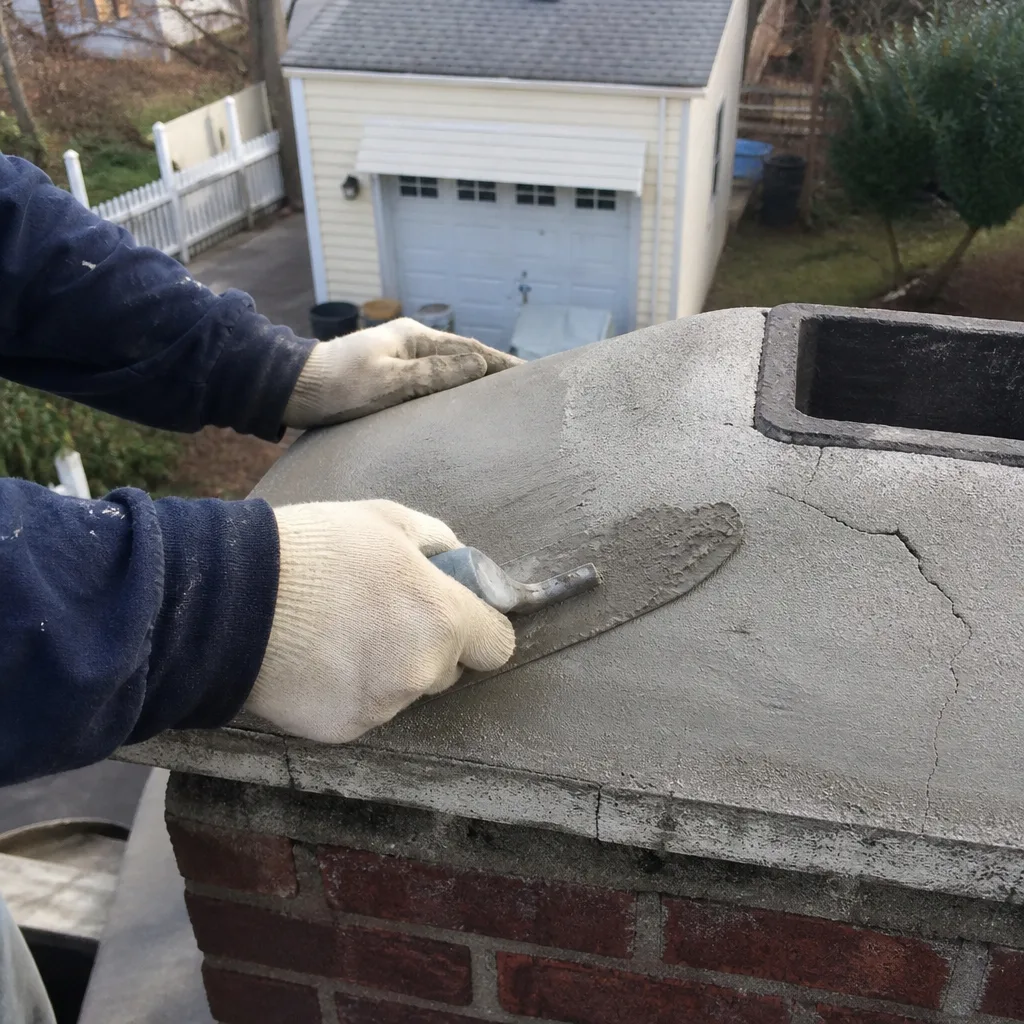
If your chimney crown is cracked, the mortar joints are loose, or you can see daylight through the flue from below, a cleaning won’t help and might make things worse. Get a professional assessment first. Chimney chimney repair on a failing crown is a separate job from a sweep, and it needs to come first.
Access you can’t safely achieve
If you’d need to climb a pitched roof, balance on a ridge, or stand next to a chimney stack with no stable surface around it, the risk of a fall downranks the benefit of the sweep. Every year, chimney sweeps across the country hear about homeowners who fell trying to do a job that a trained technician could have handled from a stable platform.
Stage-2 and Stage-3 Creosote: Why Brushing Isn’t Enough
Creosote is not one substance. It’s three, and only one of them brushes off easily. Understanding the difference is what tells you whether a DIY sweep will actually accomplish anything.
Stage 1: Sooty, flaky, easy
Stage-1 creosote is the dusty, black, flake-off-in-your-hand residue that builds up slowly when you burn seasoned wood with good draft. A standard chimney brush removes this completely. If this is the only thing in your flue, and your flue is straight, DIY is genuinely fine.
Stage 2: Tar-like and sticky
Stage-2 creosote forms when the flue runs cool and combustion is incomplete – too little airflow, wet wood, or a fire that gets damped down low. It’s the sticky film you can see when you shine a light up the flue. A stiff brush will score the surface but won’t remove the deposit. It needs a rotary system – a spinning chain or whip attachment driven by a drill – to open and break up the tar.
Stage 3: Glazed, hardened, and dangerous
Stage-3 creosote is the shiny, hardened, tarry glaze that looks almost like candle wax has been painted on the flue wall. It’s the direct fuel for a chimney fire, and it does not come off with any brush. Removal requires chemical treatment – a creosote-conversion product that softens the glaze over several days – followed by a rotary cleaning pass. This is not a job for a homeowner with a rod and a brush, and a visual inspection alone isn’t enough to confirm the whole flue is clear.
Here’s the honest problem with DIY: a homeowner at the top of the flue with a brush and a flashlight can see stage-1 flake and stage-2 stickiness, but glazed stage-3 often reads as “just a black flue” from a distance. Differentiating stage-3 from ordinary soot requires getting close, knowing what you’re looking for, and often using a camera. If the deposits are stage-3 and you treat them as stage-1, you leave exactly the hazard you were trying to remove.
This is where professional capability matters. Some flues with heavy glazed deposits can be treated chemically. Others have a ceramic tile or masonry interior that’s already spalled to the point where resurfacing makes sense. That’s why we work with HeatShield – its ceramic flue resurfacing process rehabilitates flues that a brush alone would never fix. That’s a repair, not a cleaning, and it’s exactly the kind of thing a DIY sweep won’t discover.
The Legal and Insurance Exposure of Undocumented Cleaning
This is the topic most homeowners don’t think about, and it matters most in dense urban markets like Bayside. If a chimney fire happens – in your home or in a home you later sell to someone else – the paperwork trail becomes the central question.
What actually matters after a chimney fire
Insurance investigators and fire inspectors treat chimney fires as events that require evidence of maintenance. A professional sweep leaves a written record: date, scope, findings, and any recommendations. That record is exactly what an investigator looks for. A homeowner who swept the flue themselves has no such record, no matter how careful the work was.
What “undocumented” actually means in practice
Undocumented cleaning doesn’t mean negligent – it means invisible. You may have done a thorough job. But from the perspective of an insurance adjuster looking at a soot-damaged attic or a charred flue, “I swept it myself” carries very little weight. Some policies require documentation of annual maintenance in order to honor certain claims, and investigative practice varies. If you can’t produce a professional service record, you may be in a difficult position.
NYC-specific note on code and inspection
New York City has maintenance obligations for chimneys in many residential settings, and home sale and renovation processes often trigger inspection requirements. Because requirements and timelines vary by property type and use, we’re not going to spell out which code section applies to your home – that’s a question for your building department or an attorney. But it’s worth knowing that when you sell, when you refinance, and when you file certain insurance claims, a documented inspection is often part of the file.
What we recommend
If you’re going to sweep your own flue, get a professional inspection on record anyway. A camera-based inspection, with a written report, is a cheap way to establish the record without giving up the sweep. It’s the hybrid approach we’d recommend for any Bayside homeowner who’s on the fence between DIY and professional.
What DIY Actually Costs vs. a Professional Sweep in Bayside
The purchase price of a DIY kit is not what a DIY sweep costs. Here’s the fuller math.
DIY out-of-pocket, itemized
- Brush and rod kit: typically $50-$150 for a basic poly-bristle or wire brush set that reaches a single-story flue
- Drop cloths and shop vac with HEPA filter: $80-$200 if you don’t already own them; every sweep kicks up fine black soot that will find every corner of the room
- Respirator, goggles, gloves: $40-$80
- Disposal bags and gloves for the swept waste: $10-$20; the soot can go in household trash if properly bagged, but you need to plan for the volume
- Ladder or roof access equipment: varies widely; if you don’t already have safe access, this becomes the single largest line item
- Time: typically two to four hours for a first-timer, plus the researching, the setup, the cleanup, and the inevitable second pass
For a homeowner who already owns a shop vac and ladder and has a low, straight flue, a first DIY sweep runs $100-$250 in materials and a half-day of effort. For anyone else, add several hundred dollars and the risk of an unsafe roof. Tally it honestly and the dollar math stops being obvious.
Professional sweep in Bayside
A professional chimney sweep in Bayside is priced per job by a written estimate, not by the hour or by a flat national rate. Every chimney has a different configuration, level of deposit, and access requirement. The estimate is free, and the written estimate sets the final price. What you’re paying for isn’t just the sweep – it’s the camera inspection, the written findings, the disposal, and the liability coverage that a homeowner sweeping their own flue doesn’t have.
The comparison table
- Time invested: DIY, a half-day or more; professional, a scheduled service with the sweep, inspection, and report handled in one visit
- Materials: DIY, $100-$500 out-of-pocket depending on what you already own; professional, included in the job
- Disposal: DIY, your problem; professional, handled by the technician
- Documentation: DIY, none unless you photograph and log it yourself; professional, written record of scope and findings
- Discovery of hidden problems: DIY, limited to what your flashlight reaches; professional, camera inspection of the flue interior
- Insurance defensibility: DIY, weak; professional, documented
- Risk of physical injury: DIY, real if roof access is required; professional, carried by the technician and covered
The DIY math works out only when you already own the equipment, already have safe access, and only when your flue is genuinely in the easy category. Otherwise the professional sweep is priced fairly for what it delivers – not just a cleaning, but a documented inspection that a homeowner can’t replicate.
The One Thing DIY Can’t Replace: A Camera Inspection
Everything else about DIY sweeping can, in principle, be done by a careful homeowner. The camera inspection cannot.
What a camera inspection actually shows
A chimney camera is a specialized flexible unit with a light and lens on the end of a long cable. It goes up the flue from the firebox, and the technician watches the interior wall on a monitor in real time. What it reveals is not visible from the top of the flue and not visible from the firebox:
- Cracks in the ceramic tile liner that open under heat load but look tight at room temperature
- Missing mortar joints between tile sections
- Liner separation where the flue transitions from one type to another
- Spalling and pitting that indicate the liner is nearing the end of its service life
- Obstructions – nests, debris, or a broken tile – that a brush passes over or pushes against
Why this matters more than the sweep
The sweep removes deposits. The inspection tells you whether the flue is intact enough to burn in. Those are two different questions, and the second one is the one that matters for fire safety. A flue with a cracked liner has a direct path from the fire to the structure of the house. You cannot see that from the flue opening. A flashlight aimed up the flue shows you a black tube; a camera shows you the actual condition of the wall.
Why we use professional-grade equipment
Camera equipment varies widely. The type we use lets us record and review findings with the homeowner, which is the point – the inspection is not a faith exercise. Every sweep we perform includes a camera inspection of the accessible flue. If we find an issue – a cracked tile, a section of missing mortar, spalling – we show you the picture. This is not a sales moment; it’s the whole reason to bring a professional in.
How Bayside Housing Shapes Your Chimney Decision
Bayside isn’t a uniform neighborhood, and the chimney stock varies wildly with the house. If you live in one of the older detached homes – the kind with a full masonry chimney on an exterior wall – you may have a straight flue and a wide firebox, which is the closest thing to a DIY-friendly setup you’ll find here. Those homes tend to have generous chimneys that can be swept from the top with a standard brush and rod kit.
Move into one of the mid-century or later homes, and the story changes. The chimneys are tighter. Some have interior flues with slight offsets to clear a roofline. Some have metal prefab systems that require a different brush and different knowledge. Some have been retrofitted with a flexible liner – the kind we install when a tile flue has deteriorated – and the interior of that liner needs to be evaluated by a camera, not just a flashlight, to confirm it’s still seated.
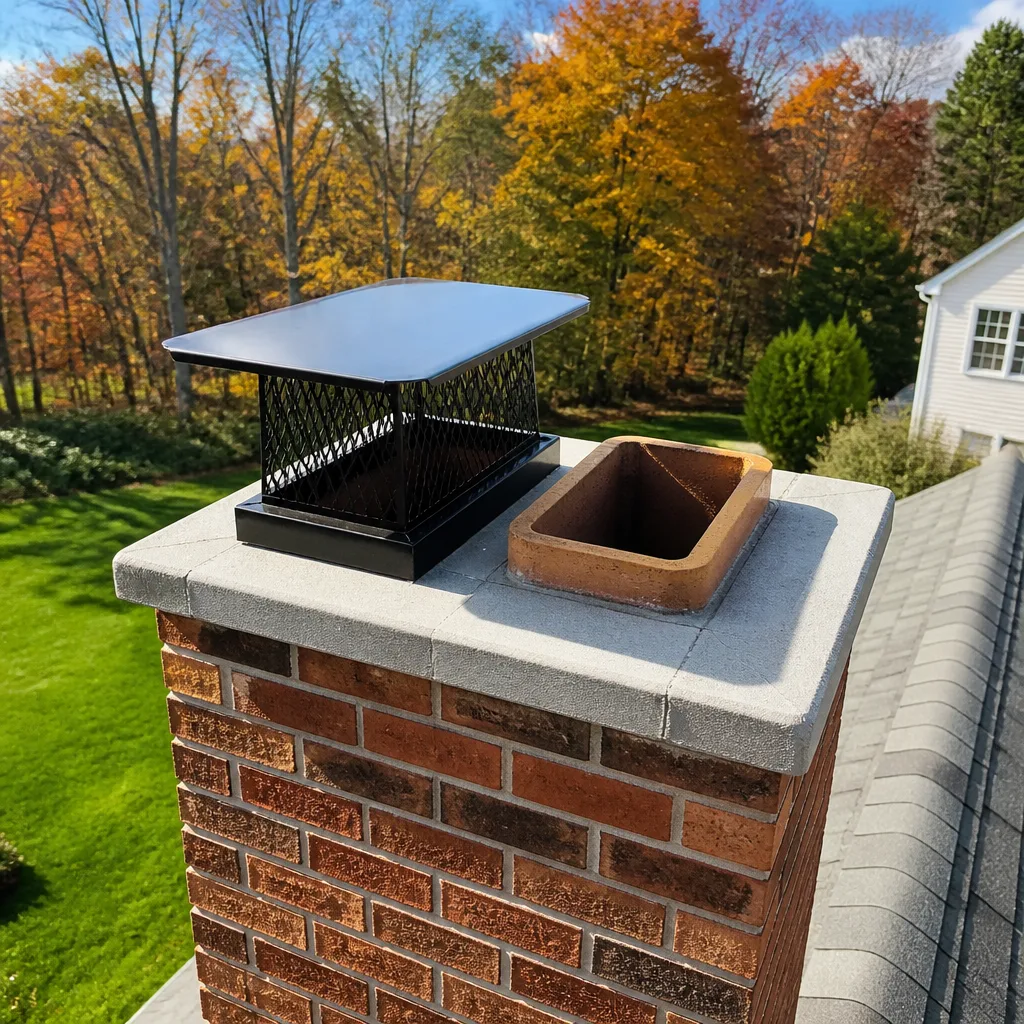
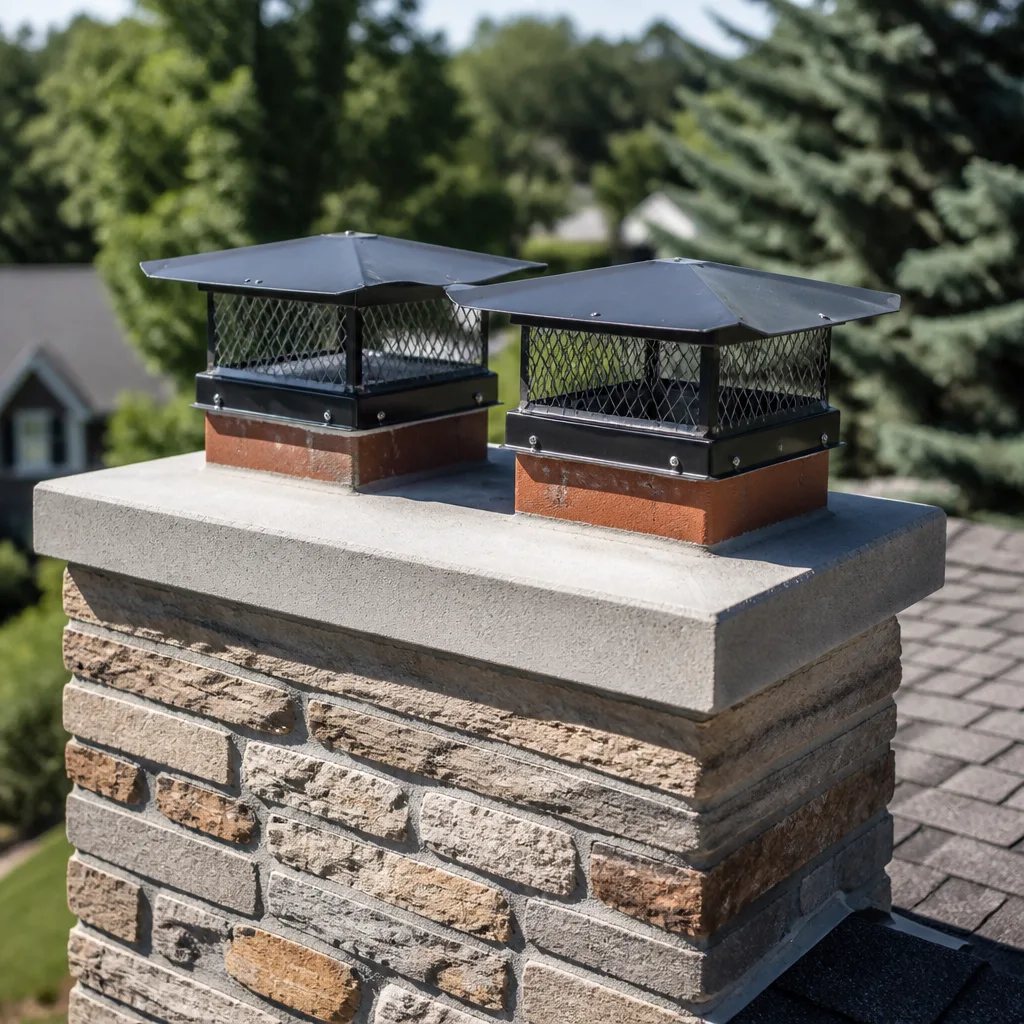
Climate in Bayside isn’t dramatic on the chimney side compared to places with severe ice and wind loading, but the seasonal swing matters. Long, hot summers and cool, wet springs create a real annual cycle for masonry chimneys – freeze-thaw on the crown, moisture in the brick, and expansion at the mortar joints. That’s why we treat the crown and cap as part of the same system as the flue. A cracked crown lets water in, and water in the masonry creates damage that no amount of sweeping will fix. This is also why our chimney cap & crown work is part of the same conversation as the sweep. If your crown is failing, the flue is the wrong place to start.
Usage patterns vary across Bayside too. Plenty of homes here use the fireplace as a real heat source through the winter, not just a decorative one. Those homes generate more creosote than a fireplace that gets lit a handful of times a year, and they need more frequent sweeps. The general rule – every cord of wood burned generates deposits worth sweeping – is the standard; a home burning heavily may need two sweeps a year, while a home burning a few decorative fires might need one sweep every two years alongside an annual inspection. Get an annual inspection regardless. The sweep frequency follows from what you’re burning and how often.
What a Professional Sweep Actually Involves
For anyone weighing the DIY decision, it helps to know exactly what a professional visit gives you. The process is a sequence, and each step matters.
- Pre-service assessment. Before touching a brush, the technician confirms the flue size, liner type, and access route, and checks the firebox and damper for obvious concerns. A flue with visible damage or a suspect liner gets evaluated before cleaning, not after.
- Setup and containment. Drop cloths, a HEPA shop vac, and proper masking around the firebox opening. Every sweep produces soot, and containment is the difference between a clean service and a dirty room.
- Sweep. The brush type is matched to the flue’s interior. Poly brushes for metal and HeatShield-lined flues, stiffer brushes for masonry, rotary systems for stage-2 deposits. The brush goes up from the roof or down from the firebox depending on configuration.
- Stage assessment. The technician inspects the swept surface to identify creosote stage and note any liner concerns. Heavy glazed deposits trigger a conversation about chemical treatment or resurfacing – not a recommendation for replacement on the spot.
- Camera inspection. The flue is imaged from the firebox up to the top. Findings are recorded and reviewed with the homeowner, typically with photos.
- Written findings. A short report of the sweep, the inspection, and any recommendations. This is the record that matters for insurance, code obligations, and your own reference.
- Recommendations, with clear “can wait” signals. Not every finding needs action. A small amount of surface spalling on an otherwise sound flue can wait a season; a cracked liner cannot. The honest recommendation distinguishes between them, and you should be able to see the evidence for yourself in the photos.
What distinguishes our approach is that each step is handled by the same team. If a sweep turns up a liner issue, we don’t refer you out – the same technicians who found the problem handle the repair. Liner replacement is installed in-house using DuraFlex flexible liner systems, and flue resurfacing uses HeatShield ceramic resurfacing. We work with Olympia Chimney and Famco materials where they fit the job. That doesn’t mean every chimney needs a repair; it means that when one does, the answer doesn’t come from a different company.
The full scope of what we cover runs from the firebox to the chimney cap – sweep, inspection, cap and crown work, structural chimney repair, and fireplace interior repair. For the reader weighing DIY, the argument isn’t that there’s no way you can sweep your own flue. It’s that the sweep is one step in a fuller diagnostic process, and the diagnostic process is where the real value sits.
Common Mistakes to Avoid
- Assuming a straight brush sweep removes heavy creosote. Stage-2 and stage-3 deposits need rotary equipment or chemical treatment. If you sweep a glazed flue once a year and assume it’s clean because a brush went through, the hazard stays in place.
- Skipping the crown and cap. A cracked crown lets water into the masonry and damages everything below it. Cleaning the flue while ignoring a failing crown is putting the wrong part of the system in order. Our chimney sweep visits always include a crown and cap check for exactly this reason.
- Burning green or unseasoned wood to “save money.” It doesn’t. It generates stage-2 and stage-3 deposits faster than an annual sweep can stay ahead of, and it’s the single biggest reason a flue goes from clean to hazardous in one winter.
- Assuming a gas fireplace needs no service. Gas fireboxes and their venting still need annual inspection. Blocked or damaged venting can produce carbon monoxide risk, and standard brushes don’t belong anywhere near a gas flue.
- Doing DIY cleaning without a professional inspection on record. The sweep may be fine. The lack of documentation won’t be, if there’s ever a fire and an insurance investigation.
- Putting off a real repair because the flue “sweeps clean.” A flue with a cracked liner can sweep perfectly and still be unsafe. Cleaning doesn’t fix a structural problem, and only a camera inspection reveals one.
- Blowing off the annual inspection because the sweep is annual anyway. A sweep and an inspection are two different procedures. The sweep removes deposits. The inspection tells you whether the flue is sound. Neither substitutes for the other.
See the difference
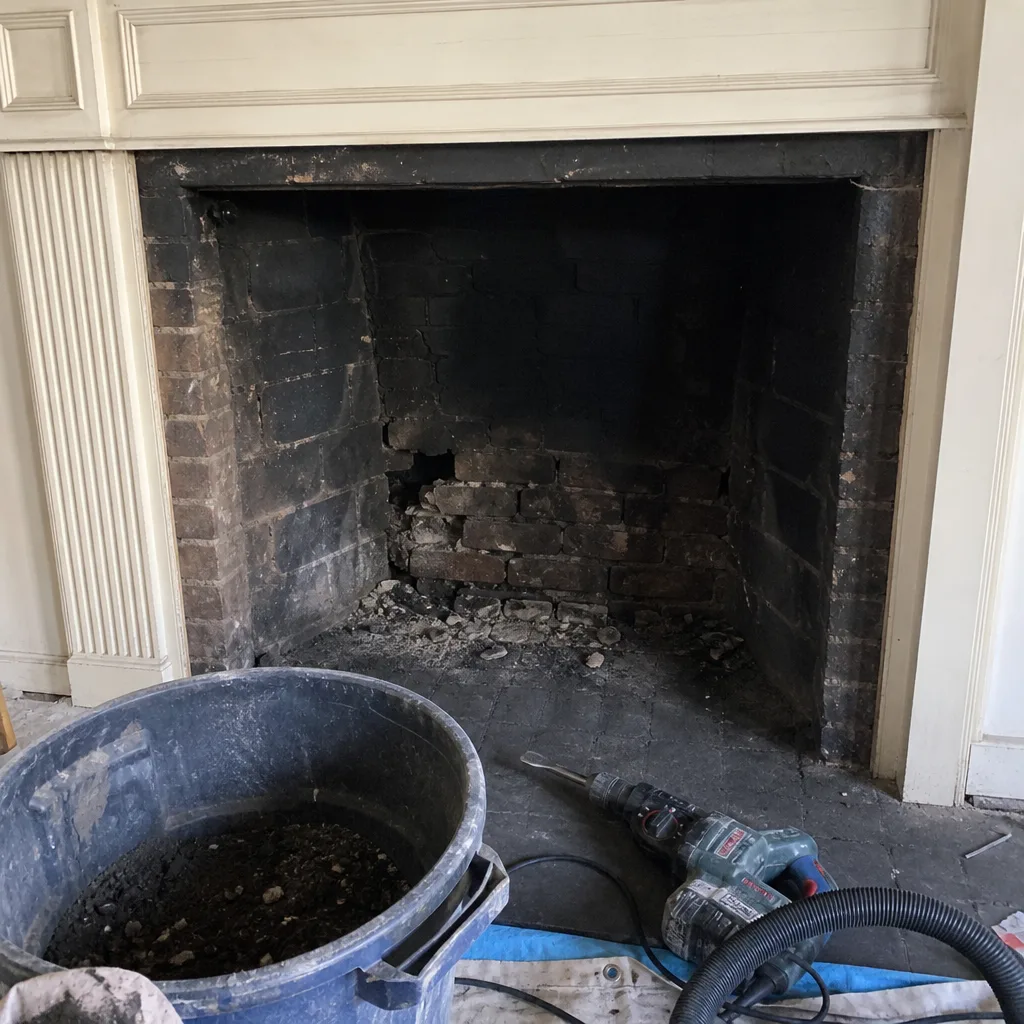 Before
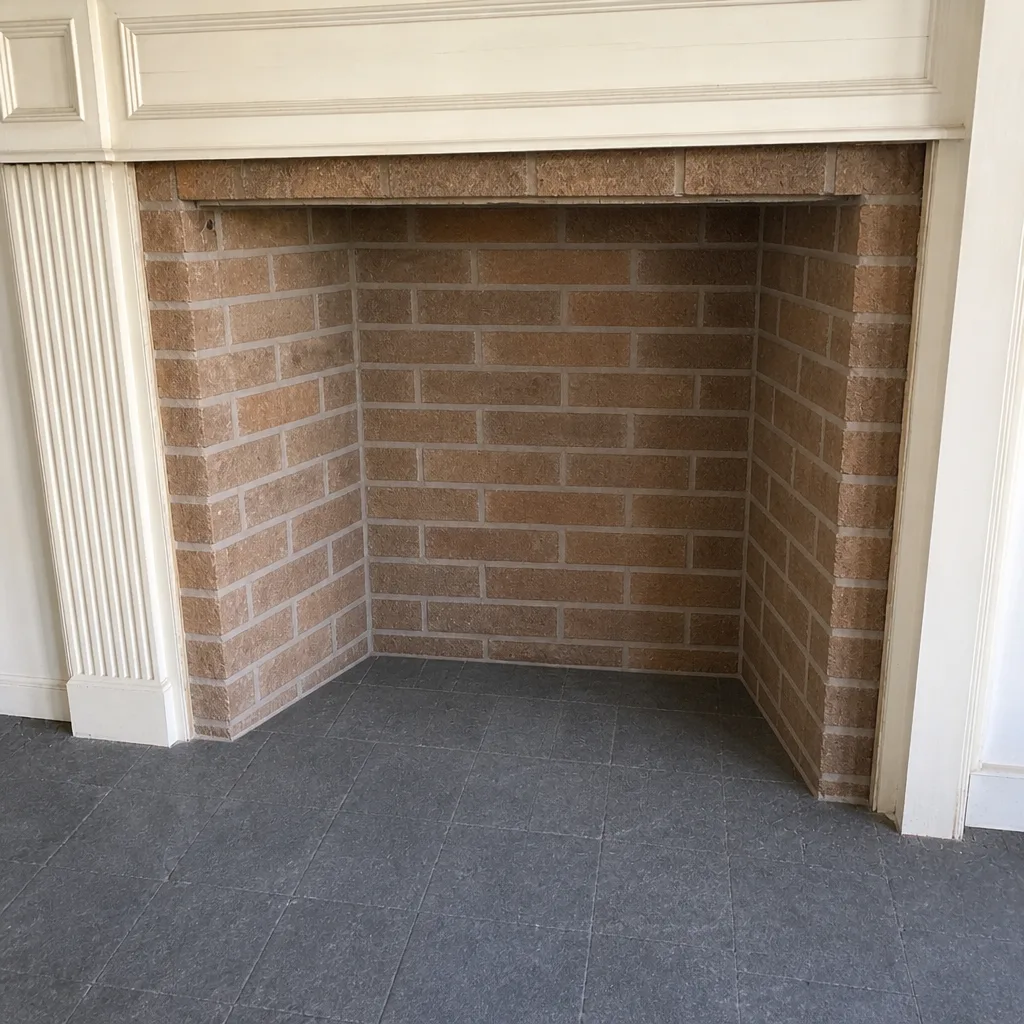 After
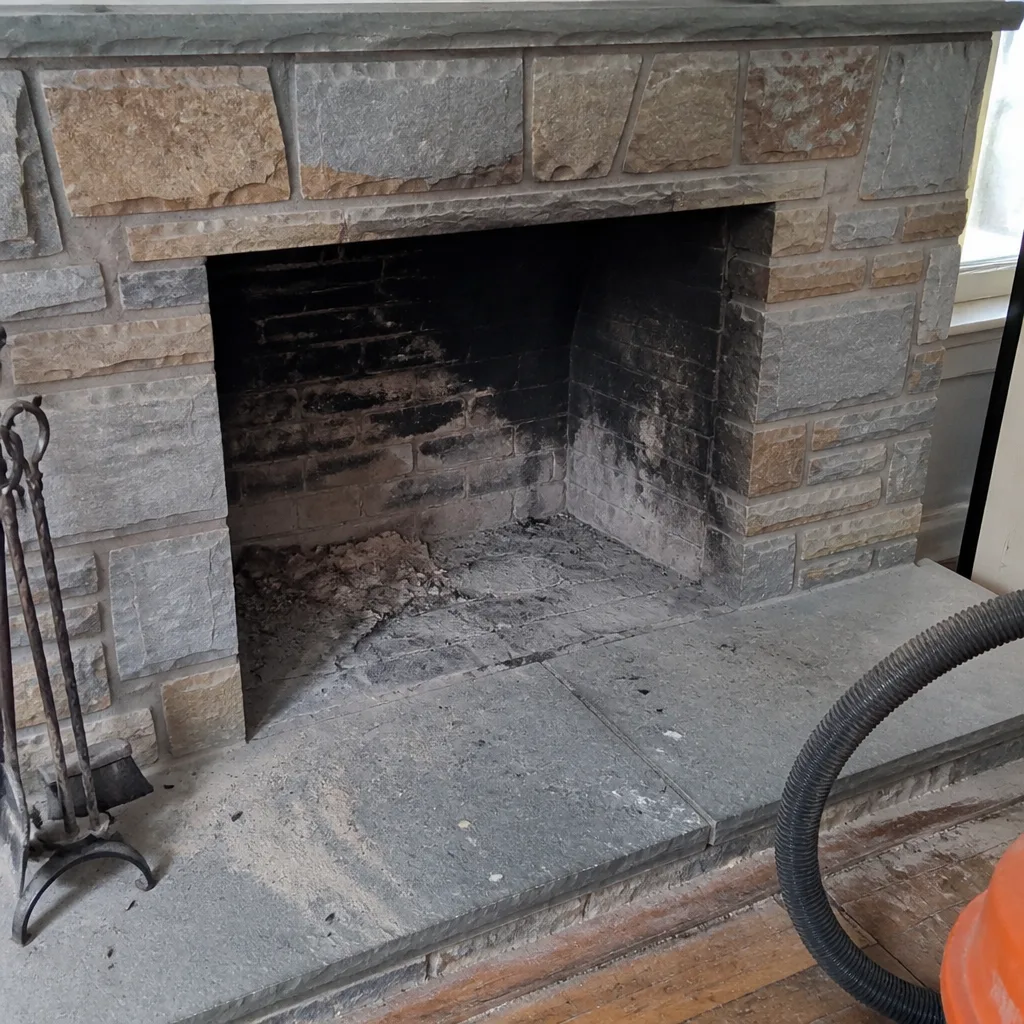 Before
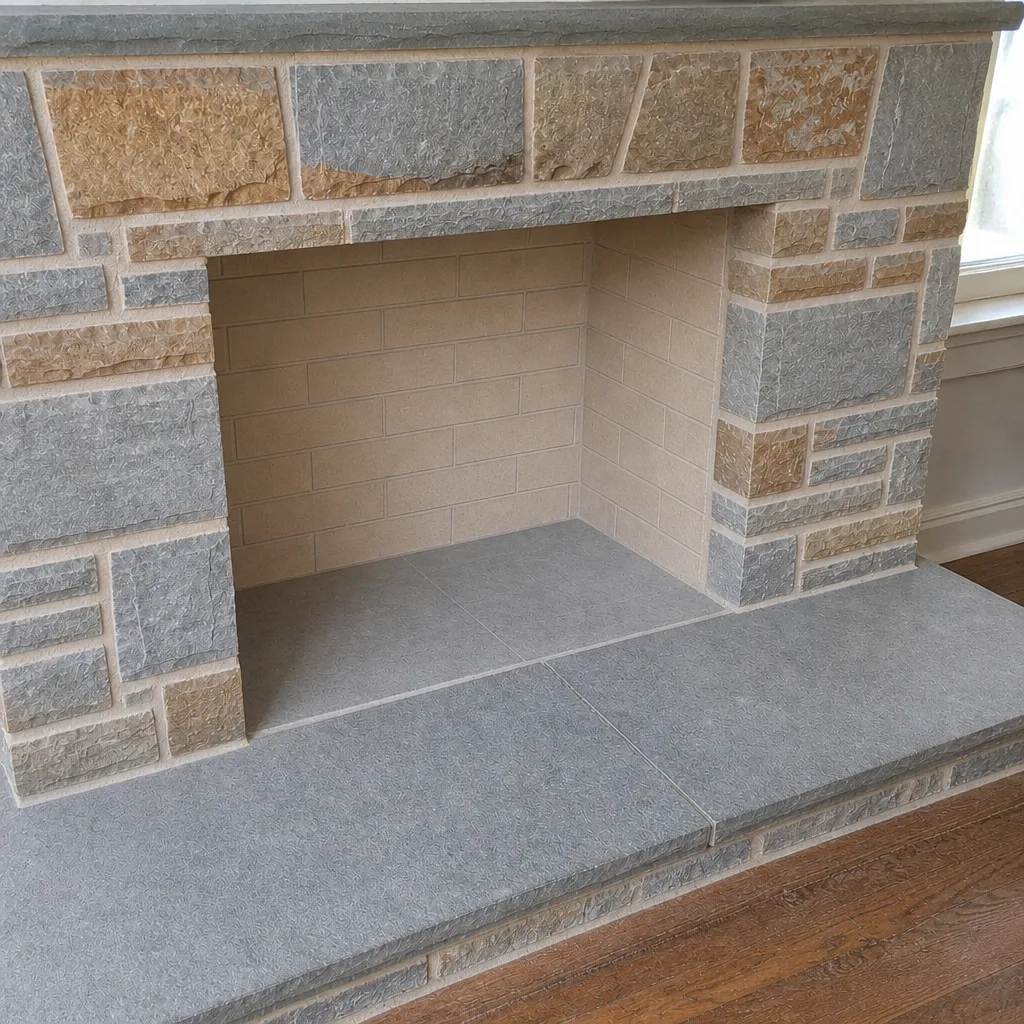 After
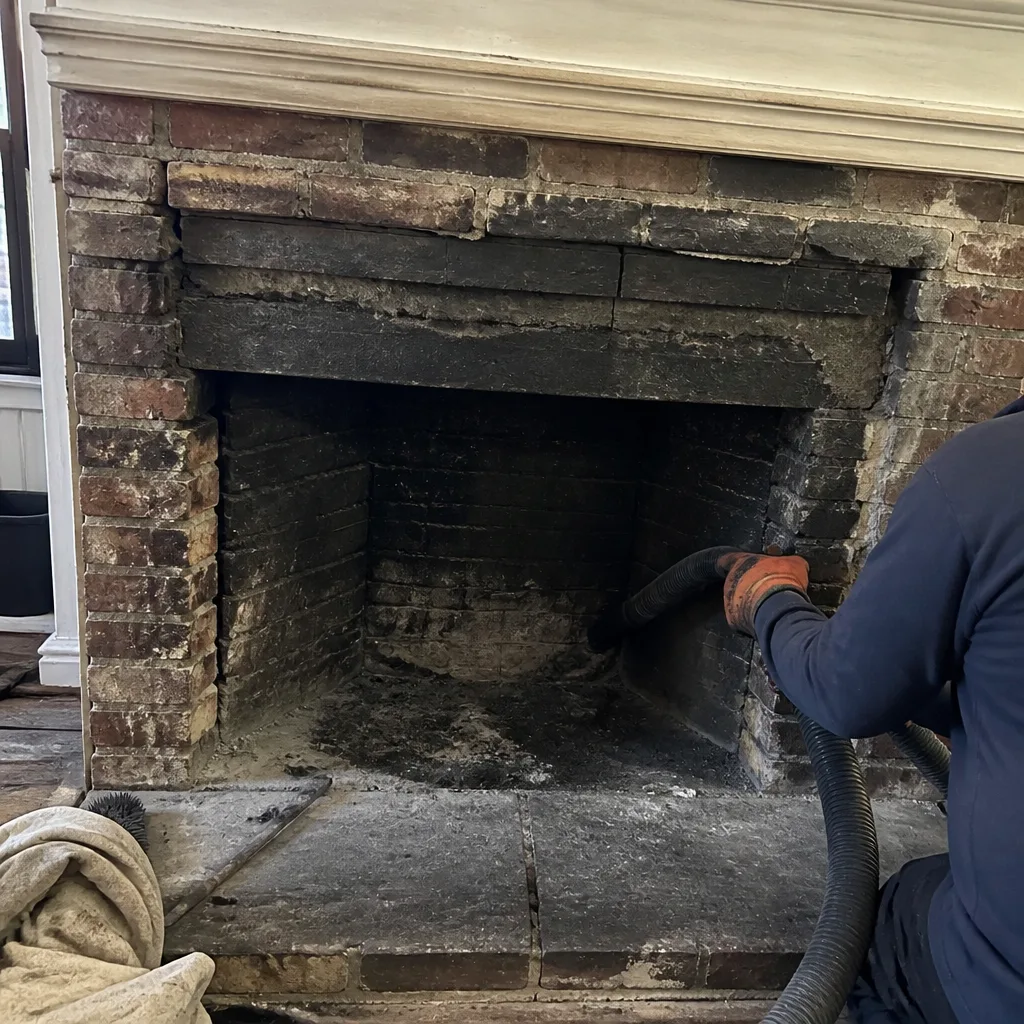 Before
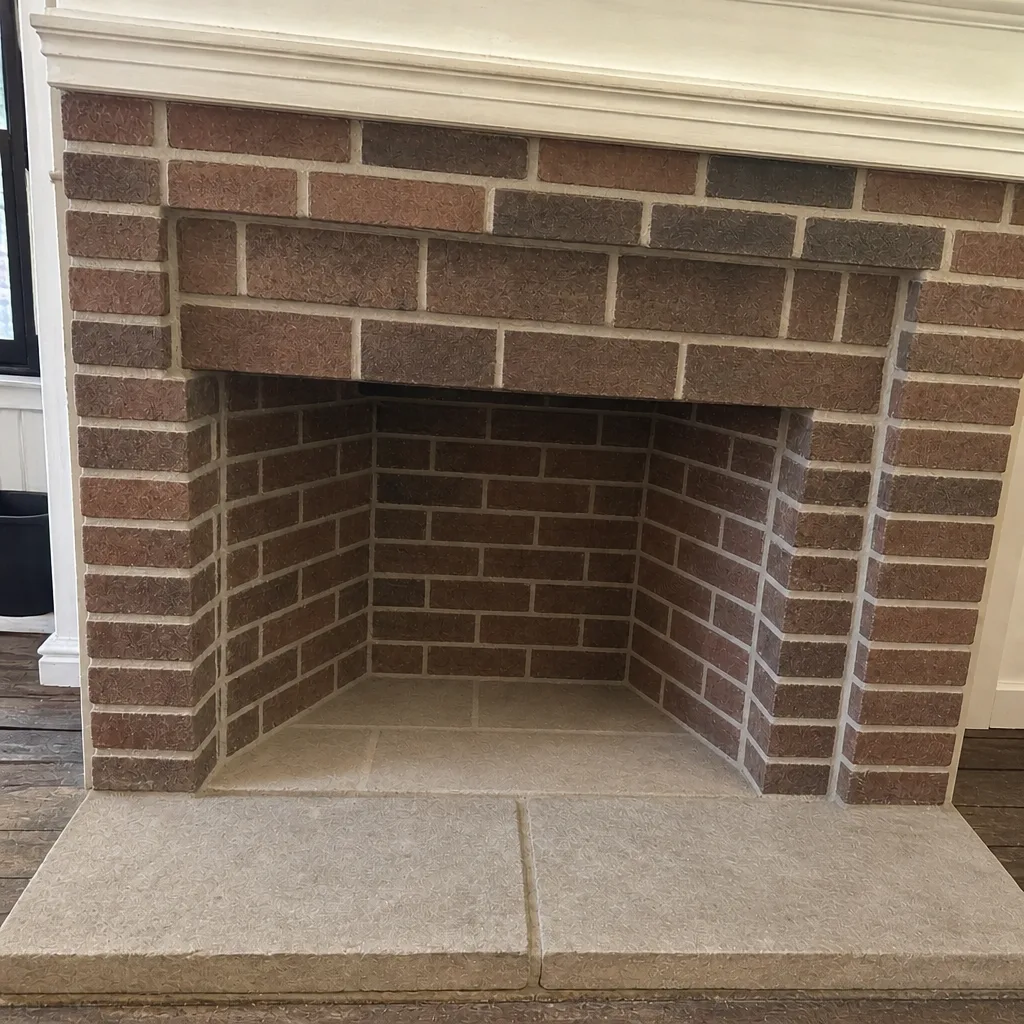 After
When to Call a Professional
Some situations are categorically professional, no matter how handy you are. Call us if any of the following is true: your flue has any offset or transition; you’ve ever seen glazed creosote in the flue; your fireplace uses gas; you’ve had a chimney fire; your crown is cracked or spalling; your roof access is anything less than flat and safe; you’re preparing to sell, refinance, or file an insurance claim; or you can’t remember the last documented inspection. In each of those cases, the DIY decision isn’t really on the table. Chimney Sweep Bayside offers free estimates in Bayside – call (833) 482-5742. We answer 24/7. Fast dispatch from 7am to 7pm, Sunday through Friday.
Frequently Asked Questions
Yes, in a narrow case: a straight, single-story wood-burning flue with no offsets, safe roof access, and a homeowner who can confidently identify creosote stages. If those conditions all hold, a careful sweep is reasonable – and we’d still recommend an annual professional inspection to keep a documented record. Call (833) 482-5742 for an exact quote on an inspection – estimates are free.
A professional sweep in Bayside is priced per job by a written estimate, not by a standard flat rate, because every chimney is different – flue size, deposit level, access, and whether an inspection or repair is involved all factor in. The estimate is free, and the written estimate sets the final price. Call (833) 482-5742 for an exact quote – estimates are free.
Stage-1 is sooty and flaky and brushes off completely. Stage-2 is sticky and tarry and requires a rotary system to break up. Stage-3 is a glazed, hardened deposit that needs chemical treatment followed by rotary cleaning, and it’s the most hazardous form. Standard brushing won’t remove stage-3, which is why an accurate stage assessment matters more than the brush itself. Call (833) 482-5742 if you’re unsure which stage you’re looking at.
Yes, and this is the single biggest reason DIY can’t fully substitute for a professional visit. A camera shows cracks, missing mortar, and liner separation that a flashlight can’t. Without a camera, you’re cleaning a flue whose structural integrity you haven’t confirmed. Call (833) 482-5742 to book an inspection – estimates are free.
The general rule is that every cord of wood burned generates deposits worth sweeping, so a home burning heavily may need two sweeps a year while a home with occasional fires may need one sweep every two years. An annual inspection is the constant regardless of sweep frequency. Call (833) 482-5742 to schedule one – estimates are free.
Deposits build up, draft gets worse, and the risk of a chimney fire increases with each season. A flue with enough stage-2 or stage-3 creosote can ignite, and the resulting fire can spread into the structure of the house. A clean flue is a safe flue – and skipping the sweep isn’t a decision that gets better with time. Call (833) 482-5742 for an exact quote on a sweep – estimates are free.
The Bottom Line
The DIY vs professional chimney cleaning decision in Bayside comes down to one question: can you accurately assess what you’re cleaning? If your flue is straight, single-story, wood-only, and accessible, and you know what stage-1 versus stage-3 creosote looks like, DIY is a reasonable choice – with an annual professional inspection on record. For everyone else – gas fireplaces, offset flues, heavy creosote, or any home with a failing crown or liner – the professional sweep is the safer and often cheaper path. The camera inspection is the part no brush can replace. We’re here to answer the questions you have about your specific chimney; the inspection is the way to start.
Related Reading
- Chimney Sweep Bayside for the full scope of what we do, from firebox to chimney cap.
- chimney sweep for what a professional visit involves and how to prepare for it.
- chimney cap & crown for why the top of the chimney deserves the same attention as the flue.
- chimney repair for what to do when the inspection finds a problem that a cleaning can’t fix.
Chimney Sweep Bayside handles sweeping, inspection, cap and crown work, structural chimney repair, and fireplace repair with one point of contact. Our technicians have up to 13 years of experience, and we work with professional-grade materials from DuraFlex, HeatShield, Gelco, Olympia Chimney, Famco, and Copperfield. Call (833) 482-5742 for a free estimate. We answer 24/7. Fast dispatch from 7am to 7pm, Sunday through Friday.
Written by the team at Chimney Sweep Bayside.