
Last updated November 25, 2026
 Sweep & inspection
 Caps & crowns
 Flue relining
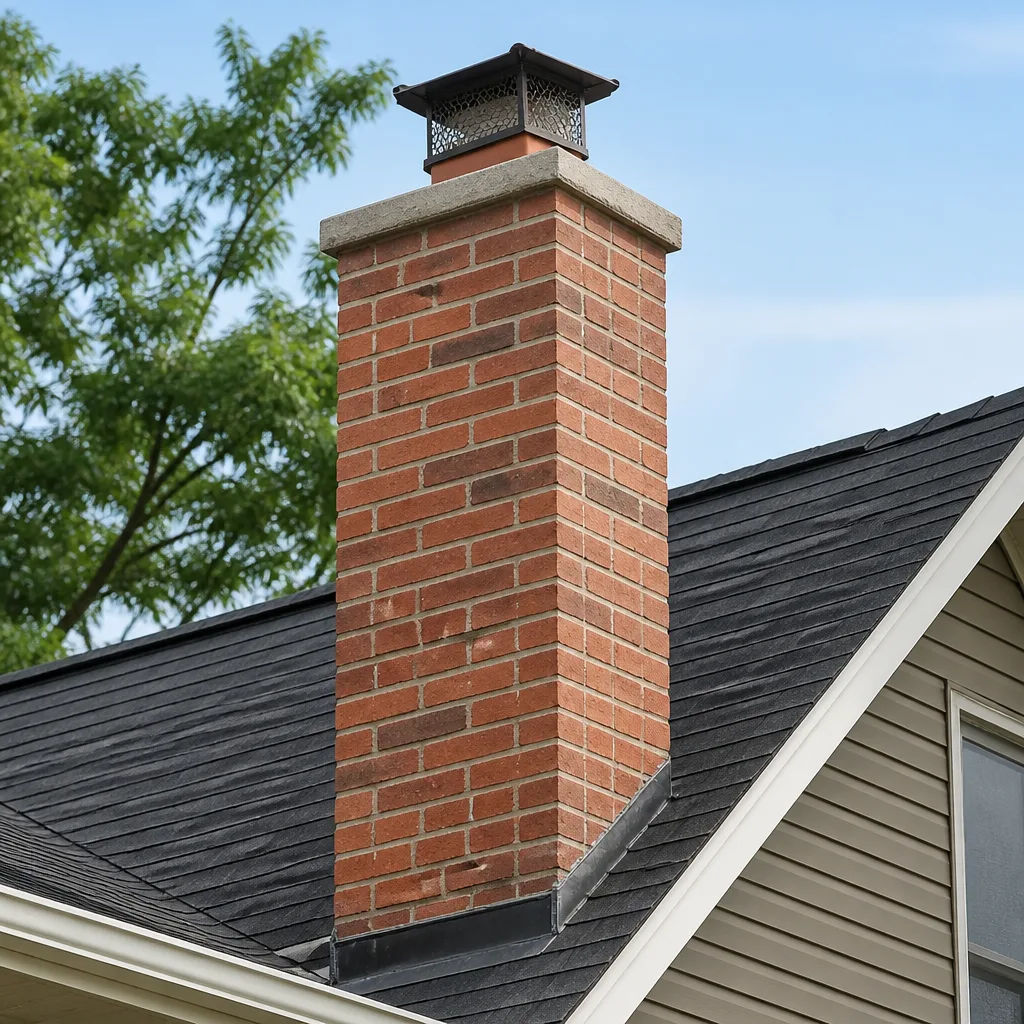 Masonry repair
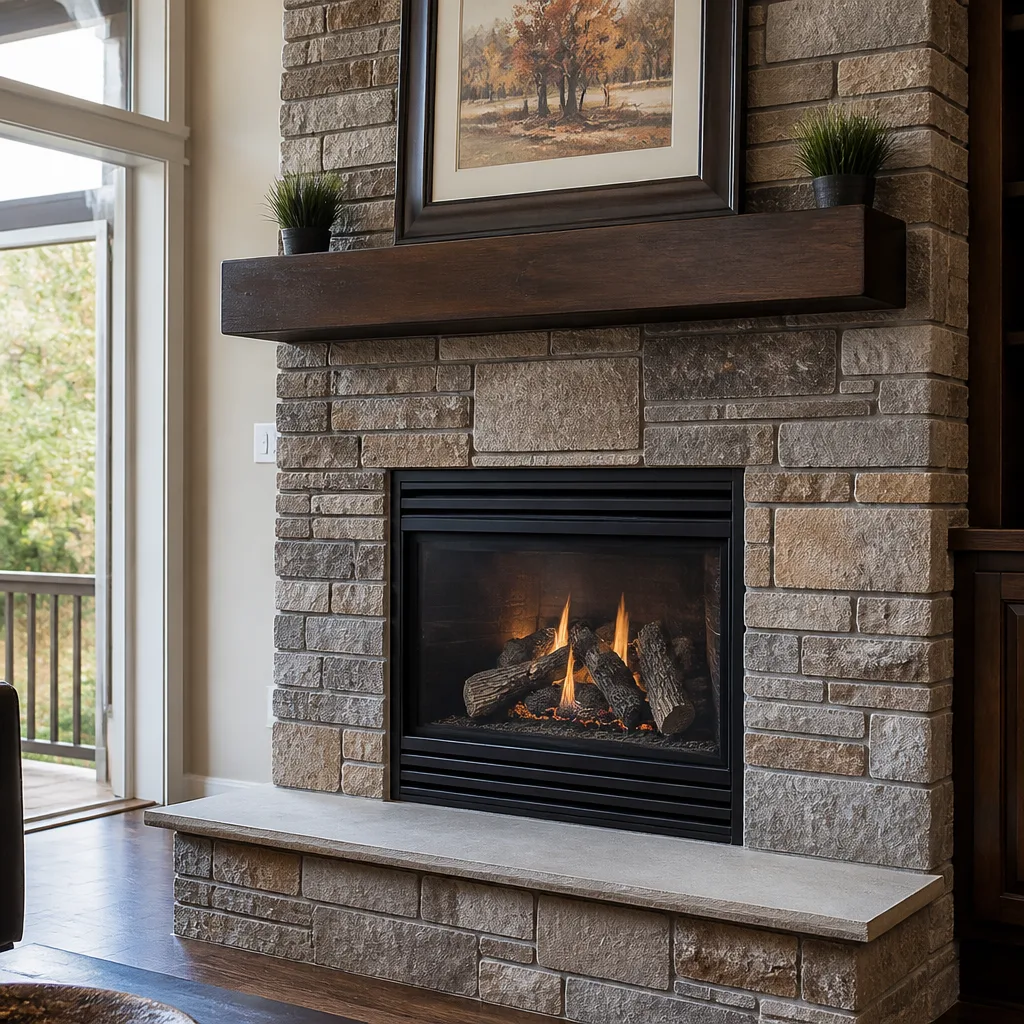 Gas fireplace service
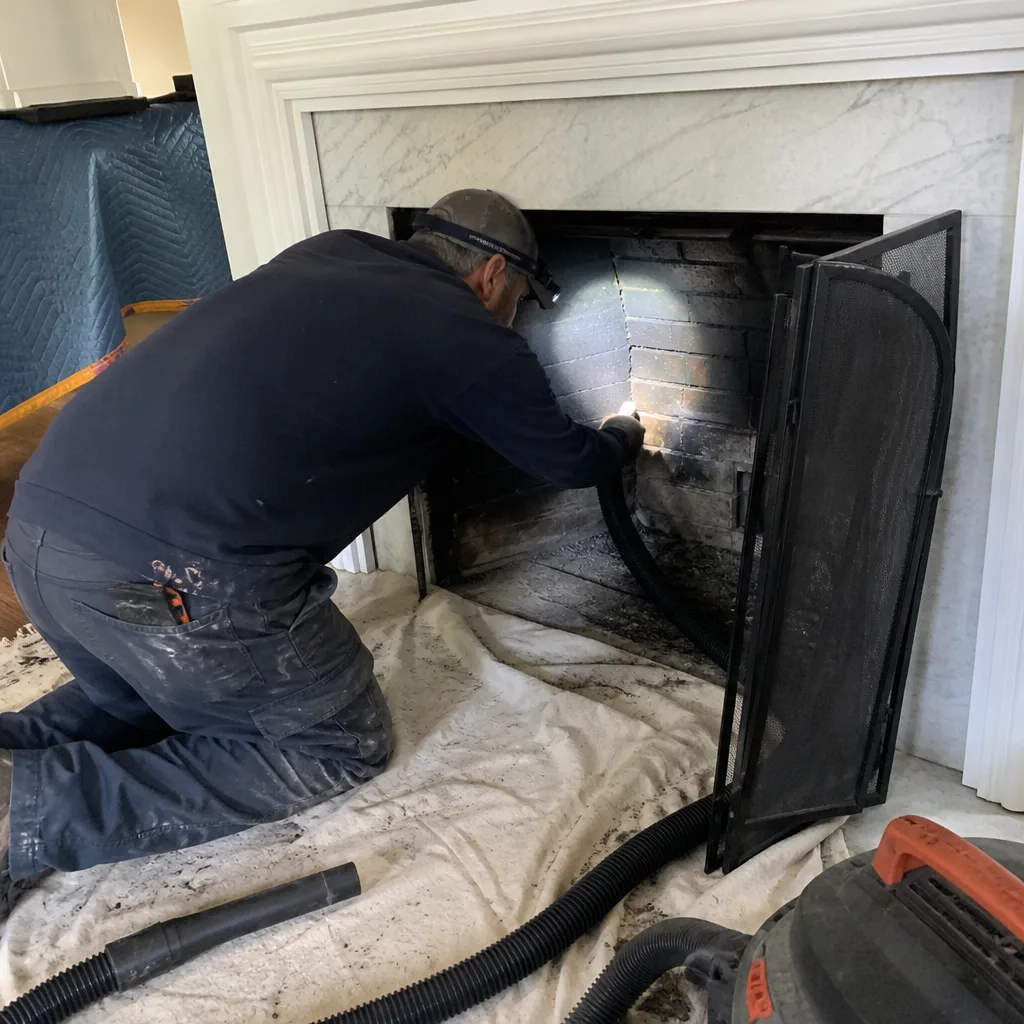
Level 1 sweep and inspection to the NFPA 211 annual standard - flue, crown, cap, and flashing checked and photographed
Chimney sweep logs do not sweep chimneys. They loosen some creosote - which then falls where a brush and vacuum still have to collect it.
How to Hire a Chimney Cleaning Contractor in Bayside: A Step-by-Step Guide
New York State does not issue a license specifically for chimney sweeps. Any person with a brush and a van can legally hang out a sign and take your call. That single fact changes the entire hiring conversation. The question isn’t “who’s cheapest?” or “who has the most stars?” – it’s “what does this person actually know how to do, and how do they prove it?” In this guide, we walk through the credentials that matter, the exact questions that separate a diagnostician from a brush-and-go operator, and how to read an estimate so a low number doesn’t cost you later. This is written from inside the Bayside market, for homeowners who want to hire correctly the first time.
Quick Answer
To hire a chimney cleaning contractor in Bayside, verify two credentials first (CSIA Certified Chimney Sweep and NFI certification for gas work), confirm current liability insurance that reflects local property values, and ask what they do when they find advanced creosote or a cracked flue. A contractor who can only clean – not inspect, diagnose, or repair – will hand you a clean flue and no information about the structure around it. The written estimate should spell out inspection, sweeping, and any repair scope as separate line items, not one vague total.
Styles & brands we work with
- Sweep & inspection
- Caps & crowns
- Flue relining
- Masonry repair
- Gas fireplace service
Table of Contents
- Why Credentials Matter More in Bayside Than a Star Rating
- What CSIA and NFI Certifications Actually Certify
- The Questions That Reveal Whether They Diagnose or Just Clean
- Red Flags Specific to the Queens and Bayside Market
- How to Read a Written Estimate
- Why the Cheapest Quote Often Skips the Hard Parts
- A Step-by-Step Hiring Process
- What Happens After You Hire – and What Should Never Happen
Why Credentials Matter More in Bayside Than a Star Rating
Ratings tell you whether a customer felt good about an interaction. They don’t tell you whether the technician can recognize stage-3 creosote, a hairline crack in a clay tile, or a crown that’s letting water into the masonry above the flue. In a market where no license is required, credentials are the only objective signal. That’s the reality of chimney work in Queens – the barrier to entry is low, and the consequences of hiring below that barrier are structural.
Bayside’s housing stock sharpens the point. Many of the homes here have masonry chimneys that have been in service through decades of heating seasons, and a portion have been converted from oil to gas or from wood to gas insert at some point. Each of those changes alters how the flue behaves, how much moisture the masonry sees, and how quickly the liner degrades. A sweep who only looks up the flue and runs a brush is not going to catch a liner problem that’s still a repair and not yet a rebuild.
Three credential tiers exist in this trade, and they’re not interchangeable:
- CSIA Certified Chimney Sweep – a national certification that requires passing a written exam, staying current on code, and following a documented standard of care. The CSIA maintains a searchable directory so you can verify a certification is active, not lapsed.
- NFI certification – the National Fireplace Institute certifies technicians specifically for gas, wood, and pellet appliance work. If your home has a gas fireplace or insert, this matters.
- Manufacturer certifications – HeatShield, for example, certifies applicators to resurface ceramic flues rather than replace them. A sweep without that certification cannot legally or safely apply the product.
Ask for the certification numbers and verify them. Any contractor who hedges on that is telling you something.
What CSIA and NFI Certifications Actually Certify
A common misconception is that certification means “this person was trained to sweep.” It means more than that. The CSIA exam covers chimney construction, venting principles, the byproducts of combustion, and how to assess a flue for hazards the homeowner can’t see. It’s a knowledge credential, not a skill badge, and that distinction matters when you’re deciding whether the person on your roof can spot a problem before it becomes an emergency.
NFI certification is tied to the fuel type. Wood, gas, and pellet each have their own certification track, and a technician certified in one is not automatically certified in the others. If you have a gas insert or a gas fireplace in Bayside, ask specifically for the NFI Gas certification. A sweep who is CSIA-certified for sweeping but has no gas credential can clean the flue but isn’t the right person to evaluate the appliance itself.
What to verify before booking:
- Ask for the CSIA certification number, then check it on the CSIA directory. A current number takes two minutes to confirm.
- Ask for the NFI certification level and fuel type. If your appliance is gas, they need the gas credential.
- Ask whether the technician who will actually be in your home is the certified one, or whether the certified name on the website belongs to someone who stays in an office.
- Ask for a manufacturer certification for any specialty work quoted – HeatShield ceramic resurfacing, for example, requires a specific applicator certification.
- Ask whether the certification is current. Lapsed certifications are common in this trade because renewal requires continuing education.
These are reasonable questions and a competent contractor answers them without irritation.
The Questions That Reveal Whether They Diagnose or Just Clean
There is a meaningful difference between a contractor who cleans a flue and one who inspects, diagnoses, and repairs one. In Bayside, that difference is the difference between a sweep and a full-service chimney company. The questions below are designed to surface which one you’re talking to, well before anyone climbs onto your roof.
The single most useful question is: “What do you do if you find stage-3 creosote?” Stage-3 creosote is glazed, hardened, and difficult to remove with a standard brush. A sweep who only cleans will tell you they brushed it and leave. A diagnostician will tell you that stage-3 requires chemical treatment or rotary removal, and that they’ll document the severity with photos and recommend a follow-up. The answer tells you whether the person on your roof is equipped to handle what they find.
Other questions worth asking before you book:
- “Do you do a camera inspection as part of the sweep, or is that a separate service?” A camera inspection is the standard of care for catching liner cracks, offset flue issues, and joint failures. If it’s an add-on you have to ask for, ask for it.
- “Can you show me the photos after?” Evidence-based inspection means you see what the technician saw. A contractor who can’t produce photos is asking you to trust a verbal report.
- “If you find a problem, can you repair it, or do you refer it out?” If the answer is “we refer,” you’re talking to a sweeper, not a chimney company. That’s not automatically wrong – but you should know before you hire.
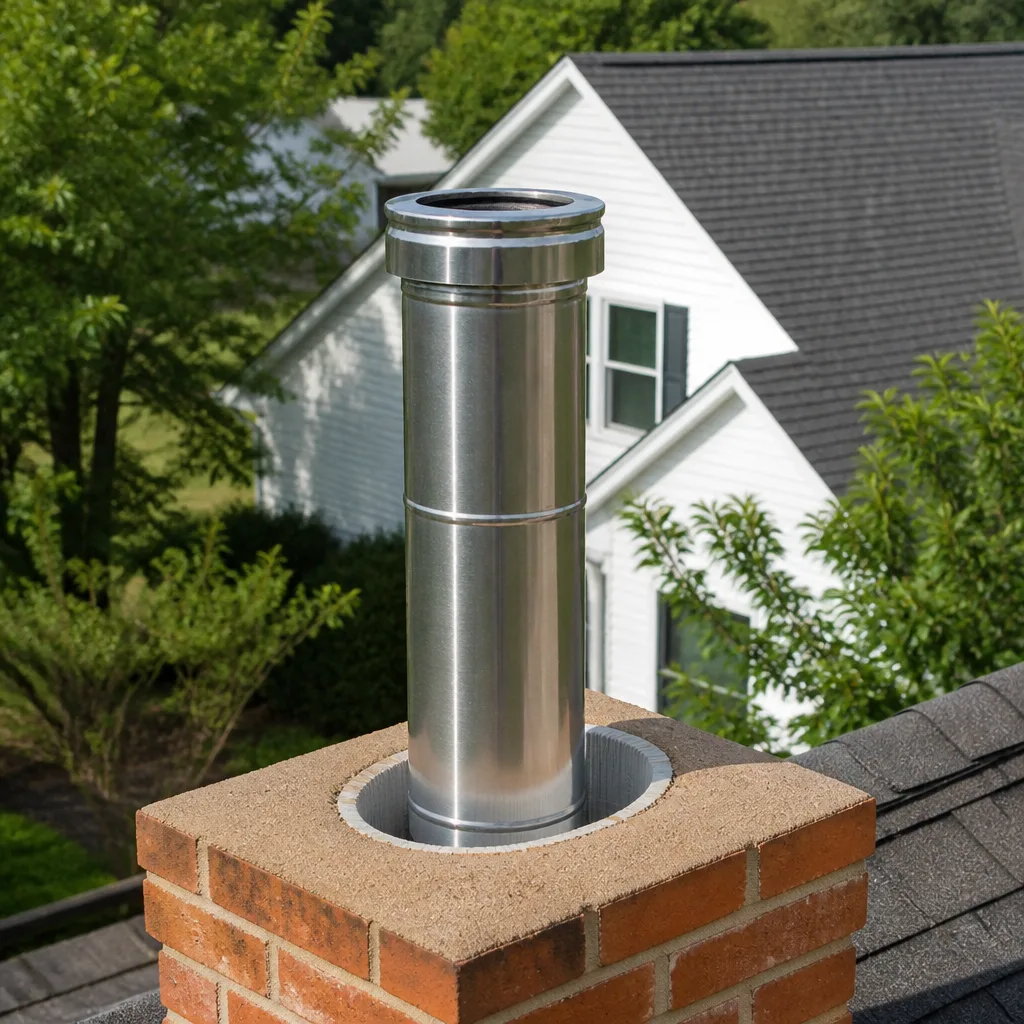
- “What product lines do you install for liners and flue resurfacing?” Look for recognized brands: DuraFlex for flexible liner systems, HeatShield for ceramic resurfacing, Olympia Chimney for liners and caps. A contractor who names a brand and can explain why they use it is a contractor who’s made a technical decision, not a purchasing one.
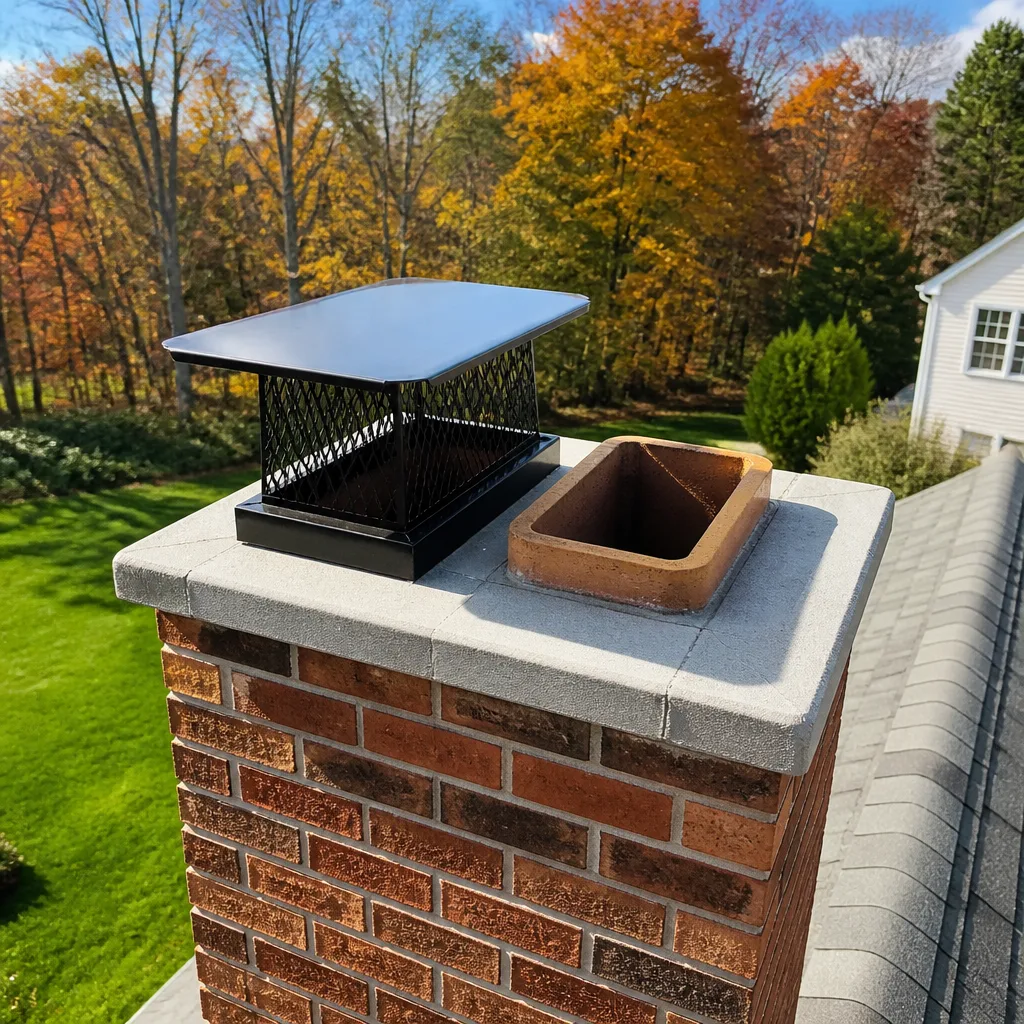
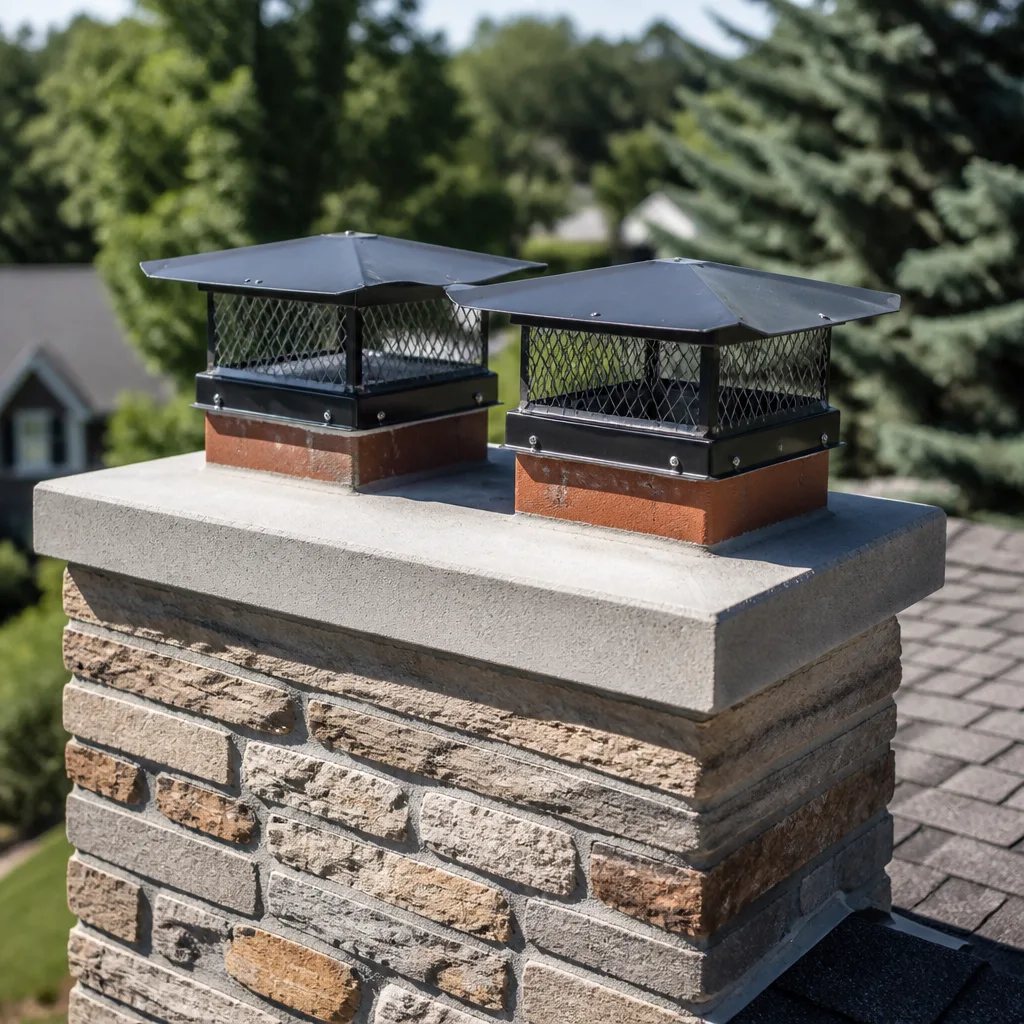
- “Do you handle the crown and cap work, or is that a separate contractor?” The crown is a masonry cap on top of the chimney that sheds water. Cap and crown work is often skipped by sweeps who don’t do masonry. Catching a deteriorated crown early is one of the highest-value things a chimney professional can do for a Bayside homeowner.
Ask these on the phone. The way a contractor handles technical questions on a call is the way they handle technical problems on your roof.
Red Flags Specific to the Queens and Bayside Market
Queens has a few hiring hazards that don’t come up the same way in other markets. Property values here mean liability exposure is high, which means inadequate insurance is a serious problem, not a technicality. And the density of the borough means word-of-mouth reputations travel fast – which is good for good contractors and bad for homeowners who don’t verify.
Watch for these:
- No proof of liability insurance. Ask for a certificate of insurance and call the carrier to confirm it’s current. In Bayside and the surrounding Queens neighborhoods, a contractor without adequate liability coverage is exposing you to the cost of damage to your home, not just theirs.
- No CSIA or NFI credential offered when asked. If you have to pry it out of them, it’s probably not current.
- A quote that doesn’t separate the inspection from the sweep. A sweep without an inspection is cleaning, not protecting.
- Subcontracted liner work. Liner replacement is the most technical part of the job. A sweep who cleans but subcontracts the liner has split accountability across two contractors, and neither will own the failure if something goes wrong.
- No physical address or no verifiable reviews from the last twelve months. In a dense market like Queens, this is easy to check and hard to fake for long.
- Verbal findings with no documentation. A camera inspection should produce photos. If there’s no photo, there’s no evidence.
- Cash-only with no written estimate. The written estimate is your protection. No written estimate, no hire.
None of these individually is disqualifying. Two together should make you slow down.
How to Read a Written Estimate
A thorough written estimate separates the work into distinct line items with defined scope. A low-ball estimate bundles everything into one number and excludes anything that would require real labor. Learning to read the difference is the single most useful hiring skill you can develop.
Here’s what a complete scope of work should contain – though we don’t quote prices in this guide, because pricing is per job and you’ll get the written estimate that sets the final number:
- Inspection – what level of inspection is being performed, whether it includes a camera, and whether the report will include photos.
- Sweep – what’s being swept, including whether the smoke chamber and firebox surround are included. These are the two most labor-intensive areas and the two most often skipped by sweeps trying to hit a low price.
- Findings – whether any repair items are quoted with their own line and their own scope, or lumped into the sweep.
- Materials – which product lines will be used if repairs are needed. DuraFlex for liner systems, HeatShield for ceramic flue resurfacing, Gelco for caps and dampers, Olympia Chimney for flexible liners – these are the brands you want to see named. Generic parts are a sign of a contractor who hasn’t made a technical decision.
- Warranty – what’s warranted, for how long, and by whom.
- What’s excluded – the exclusions matter as much as the inclusions. A quote that excludes the inspection component is not a sweep-plus-inspection. It’s a sweep.
When you compare two estimates, compare the scope, not the total. A quote that includes the smoke chamber and a camera inspection will cost more than one that doesn’t, and it will tell you things the cheaper one can’t.
Why the Cheapest Quote Often Skips the Hard Parts
The two most labor-intensive areas in a chimney sweep are the smoke chamber and the firebox surround. Both are awkward, both require more time than the flue itself, and both are easy for an unscrupulous or undertrained sweep to skip. A quote that undercuts the market is almost always undercutting the scope. The work isn’t hard to skip – it’s hard to do, and skipping it leaves a homeowner thinking they’ve had a complete service.
Here’s what gets skipped:
- The smoke chamber. The transition area between the firebox and the flue is notoriously hard to clean and notoriously prone to creosote buildup. A sweep who doesn’t address it is leaving fuel behind.
- The firebox surround. The masonry around the opening of the firebox takes real labor to clean and inspect. It’s often where deterioration first shows.
- The camera inspection. Skipping the camera is the single easiest way to reduce cost and the single easiest way to miss a liner problem.
- The crown and cap check. A deteriorated crown lets water into the masonry. Water is the leading cause of chimney structural failure, and it’s usually caught early if anyone looks.
We’ve seen this in Bayside and throughout Queens. The homeowner with the cheapest quote of the season ends up calling again in two years for repair work they could have caught with a proper inspection the first time. The cheap sweep wasn’t cheaper. It just deferred the cost.
See our chimney sweep page for what a complete sweep covers.
A Step-by-Step Hiring Process
Here’s the sequence we’d recommend to any Bayside homeowner who wants to hire correctly. It takes a few phone calls, but it saves much more time than it costs.
- Define what you need. Is this an annual sweep, or do you have a specific concern – a smell, a draft, visible creosote, water staining on the masonry? A specific concern needs a contractor who diagnoses, not one who cleans.
- Verify CSIA and NFI credentials. Ask for the certification numbers and check the CSIA directory. If your appliance is gas, confirm the NFI gas certification.
- Confirm liability insurance. Ask for a certificate of insurance and confirm it’s current with the carrier.
- Ask the diagnostic questions. Stage-3 creosote, camera inspection, photo report, repair capability. The answers tell you who you’re hiring.
- Request a written estimate. Compare scope, not total. Look for the inspection line, the smoke chamber line, and the materials line.
- Ask about repair capability and product lines. A full-service company names DuraFlex for liners, HeatShield for resurfacing, Gelco or Olympia Chimney for caps and dampers. A sweep who can’t name a brand is a sweep who cleans, not repairs.
- Ask what happens if they find a problem. If the answer is “we refer,” ask who they refer to and whether that referral is a separate contract. A full-lifecycle company keeps the whole job under one accountability. See our chimney repair page for how that scope looks.
- Book, then review the report. After the sweep, compare findings against the estimate. If new repairs are recommended, ask for the photos. Nothing should be recommended without camera evidence you can see for yourself.
One crew, start to finish, is the goal. When the diagnosis and the repair live in the same company, nobody points a finger when a liner fails.
What Happens After You Hire – and What Should Never Happen
After a proper sweep in Bayside, you should have three things: a clean flue, a written report with photos, and a short list of findings with recommendations that distinguish “do this now” from “plan for this later.” A good contractor will tell you plainly when repair work can safely wait. That’s not a weakness. It’s a sign they’re diagnosing, not upselling.
What should never happen: a recommendation for thousands of dollars of liner or masonry work with no photo evidence. A verbal report and a verbal quote with no written scope. A “cleaning” that didn’t include the smoke chamber. A sweep who can’t tell you what they found in the flue because they didn’t look.
The crown is a good example. A deteriorated crown is common in Bayside, and it’s usually a repair, not a rebuild – provided someone catches it. Left alone, water infiltration turns a crown repair into a masonry rebuild over the course of a few seasons. Our chimney cap & crown page walks through the repair scope. Catching it before it costs you is the whole point.
Safety is the reason to act on findings, but never a reason to scare-sell. A blocked or deteriorated flue creates genuine fire and carbon monoxide risk, and the right response is a documented finding with a written scope – not a pressure pitch on the roof. If your contractor’s tone is urgent, ask for the photos. The evidence should speak.
Common Mistakes to Avoid
- Hiring on price alone. The cheapest quote in Queens is often the one that skips the smoke chamber and the camera. Compare scope, not total.
- Not verifying the certification. A CSIA number on a website takes two minutes to check. A lapsed certification is common, and the number alone doesn’t prove it’s current.
- Accepting a verbal report. In a market with this much density and this much contractor turnover, you want documentation with photos. If there’s no photo, there’s no finding.
- Skipping the insurance check. Property values in Bayside are high. A contractor without adequate liability insurance is a risk you don’t need to take.
- Letting a sweep subcontract the liner. If liner replacement is on the table, ask whether it’s handled in-house or referred. Split accountability across two contractors is the most common source of a failed repair with no one responsible.
- Not asking about product lines. DuraFlex, HeatShield, Gelco, and Olympia Chimney are the brands a full-service chimney contractor should be naming. Generic parts are a sign the technician hasn’t made a technical decision.
- Treating the inspection as optional. A sweep without an inspection is cleaning. A sweep with an inspection is protecting. The difference is the whole point of hiring a certified professional.
See the difference
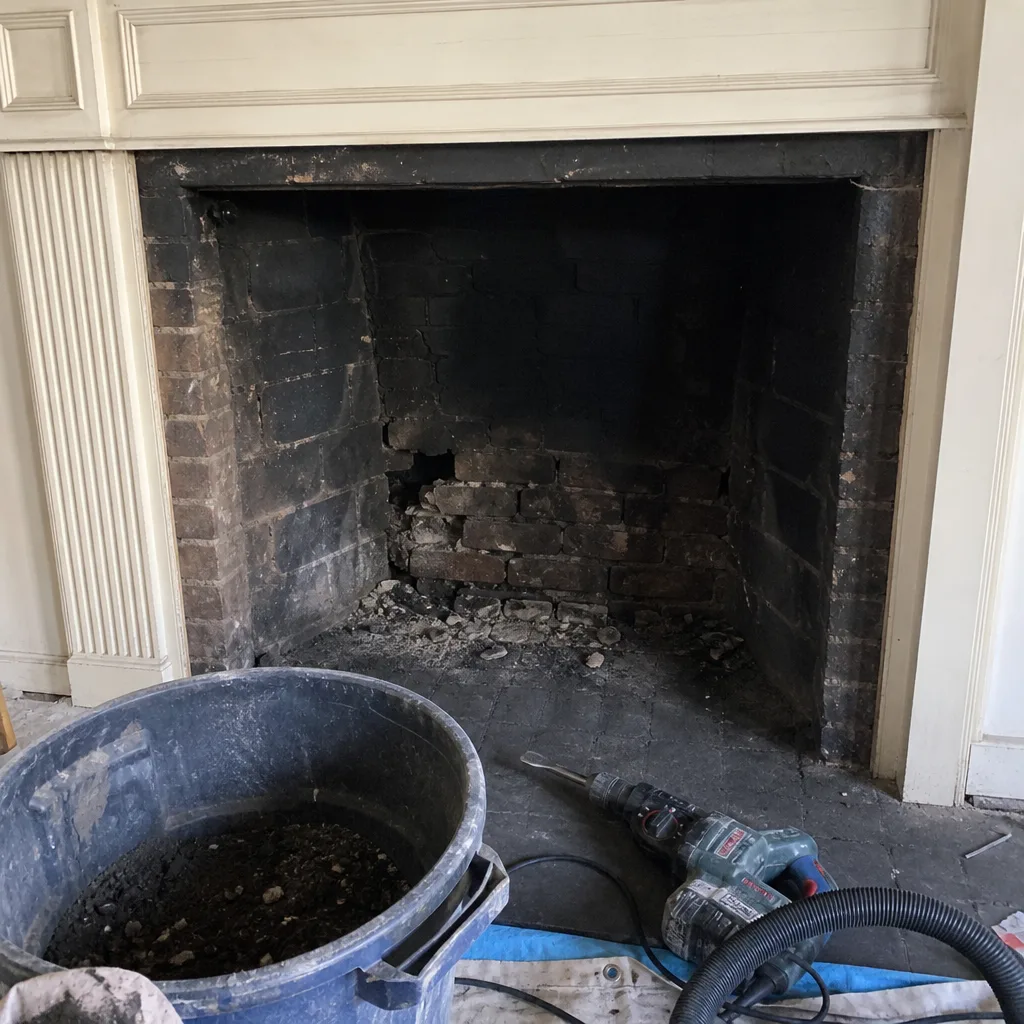 Before
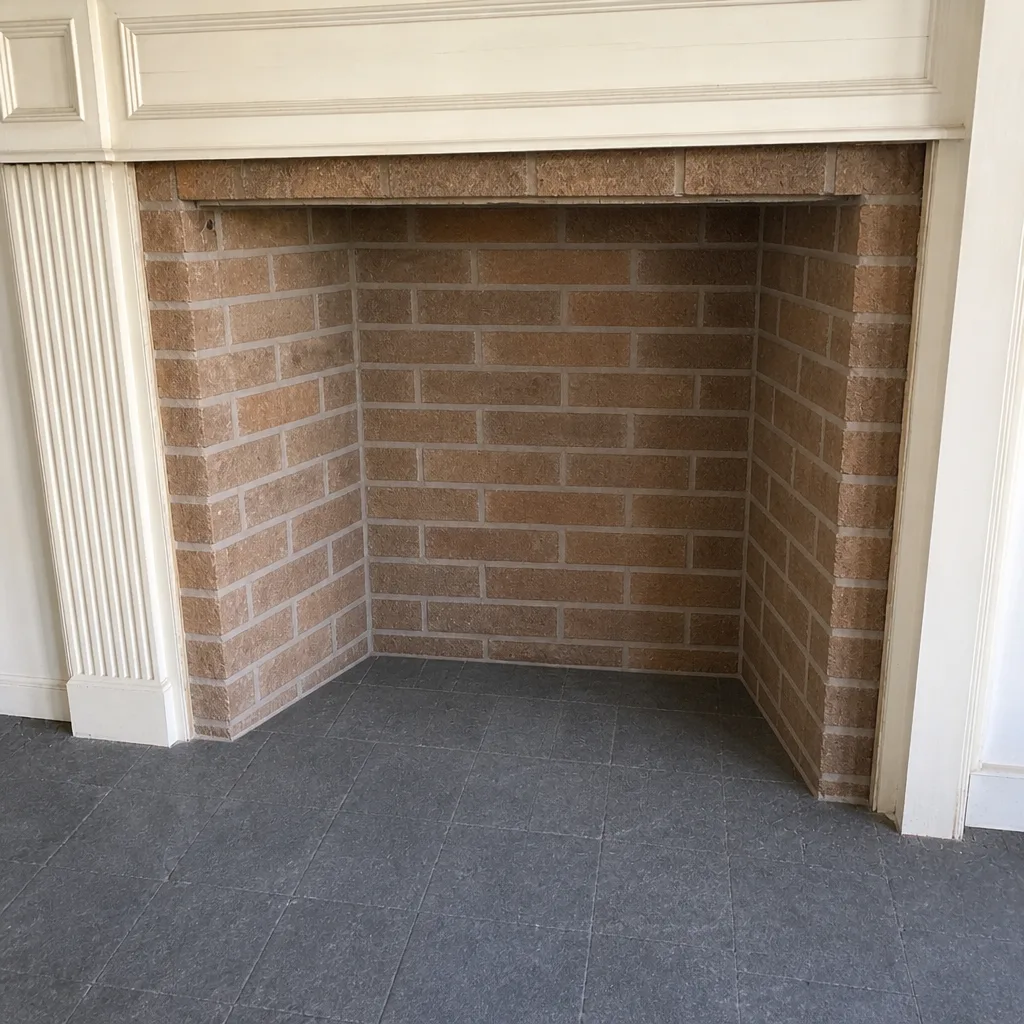 After
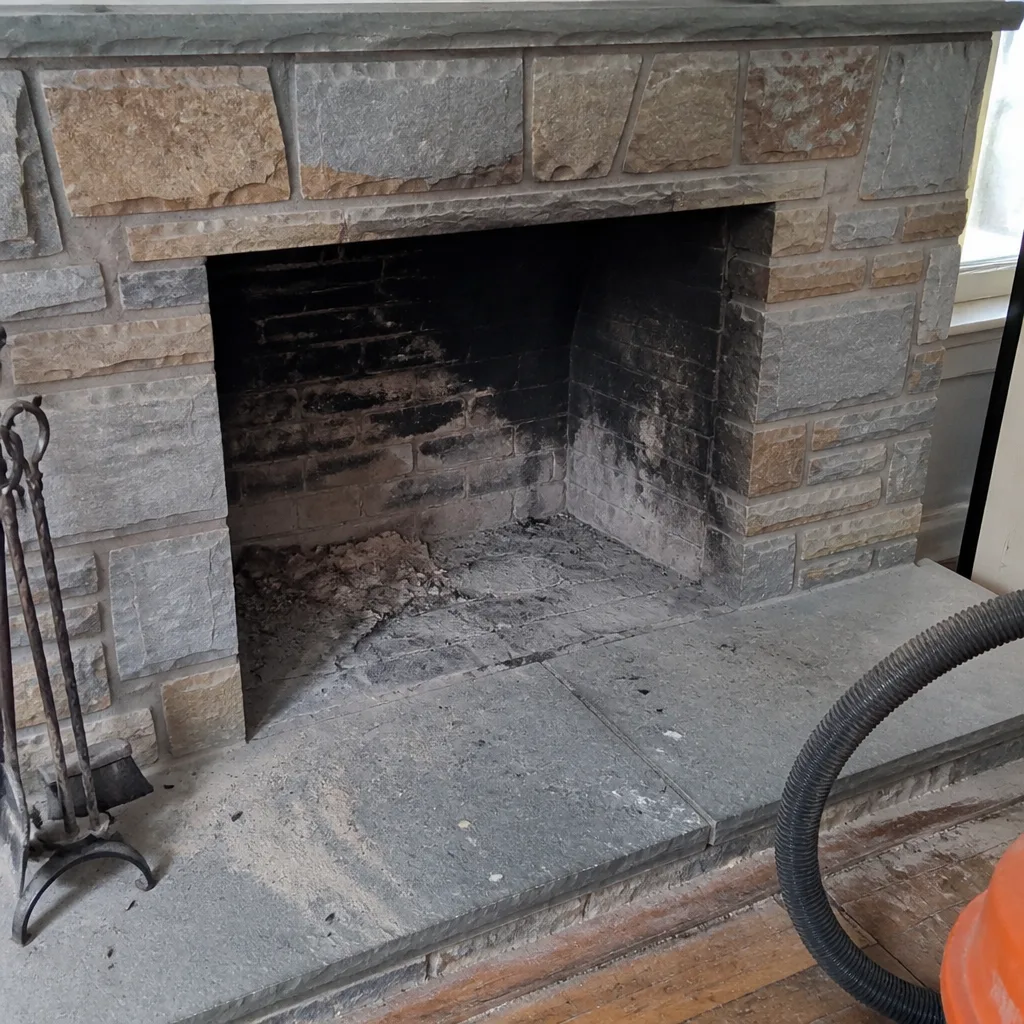 Before
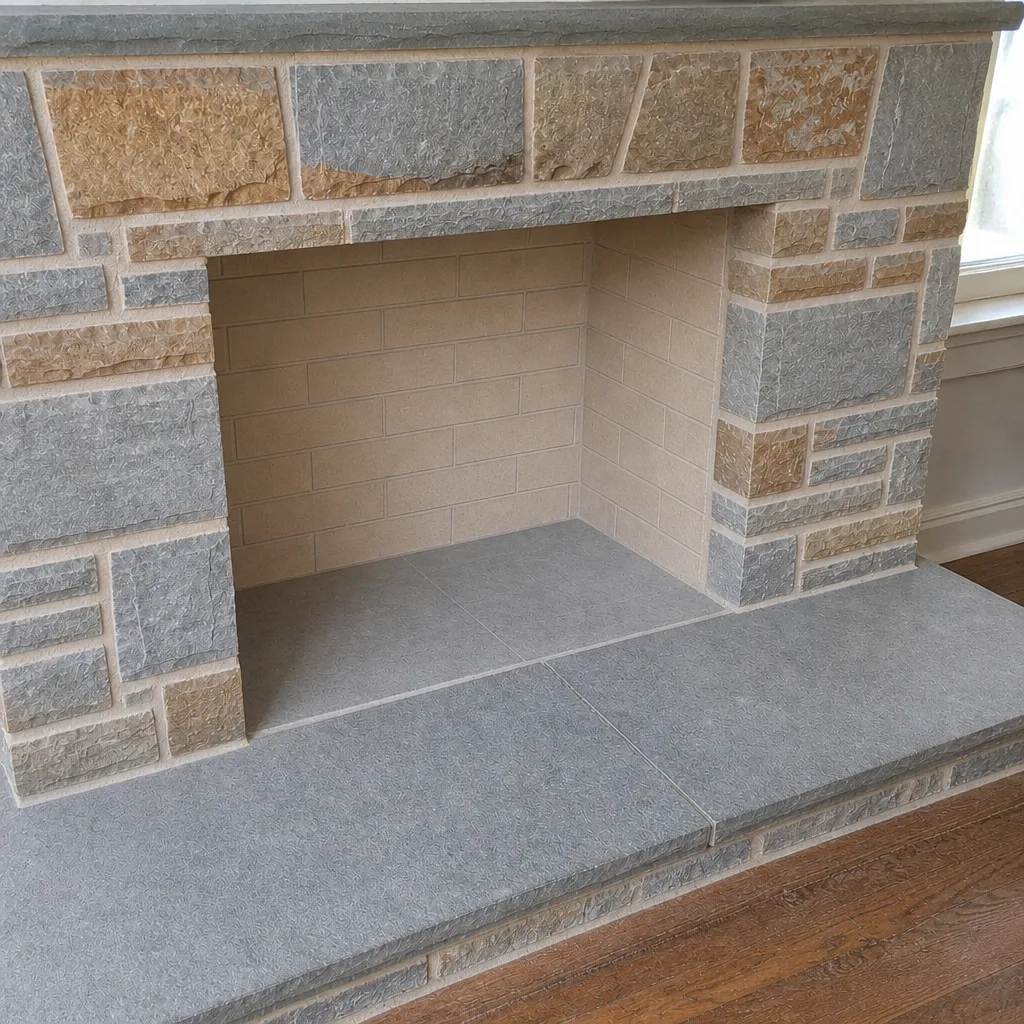 After
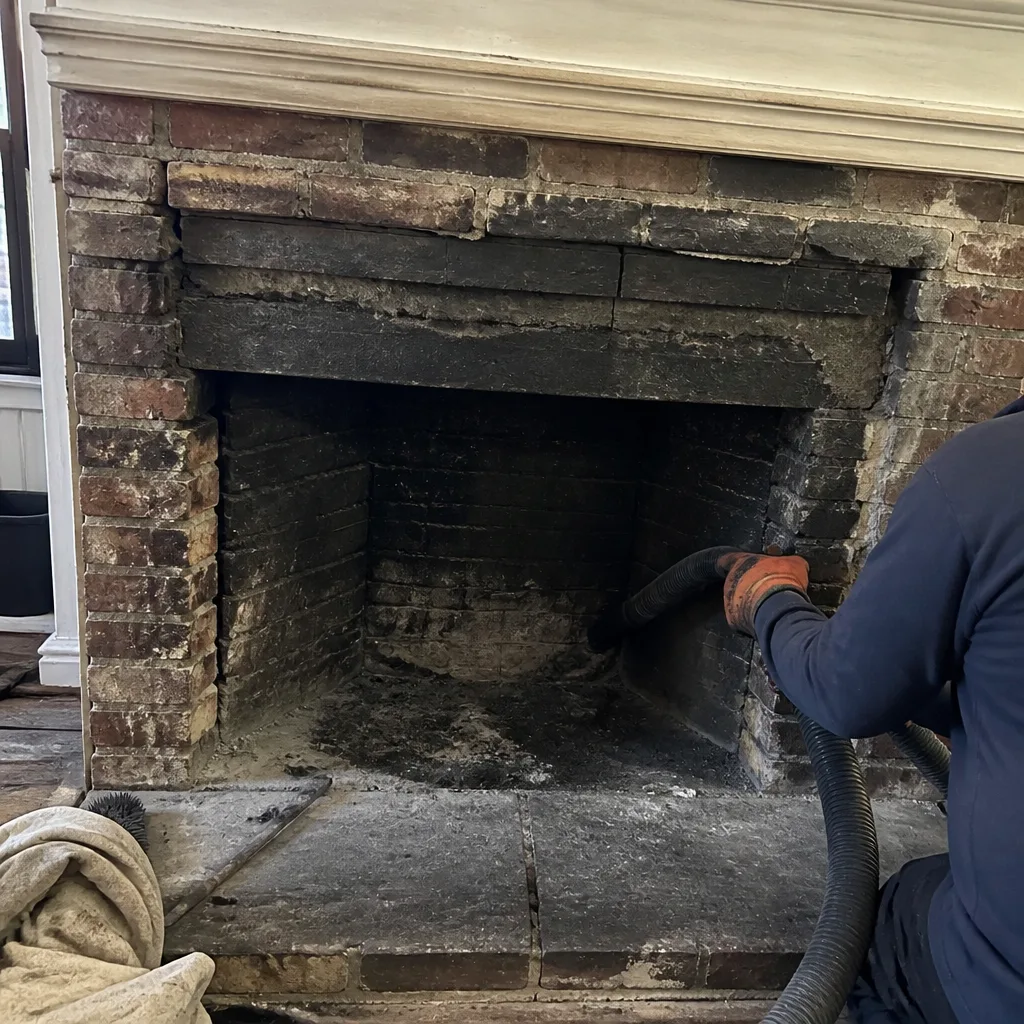 Before
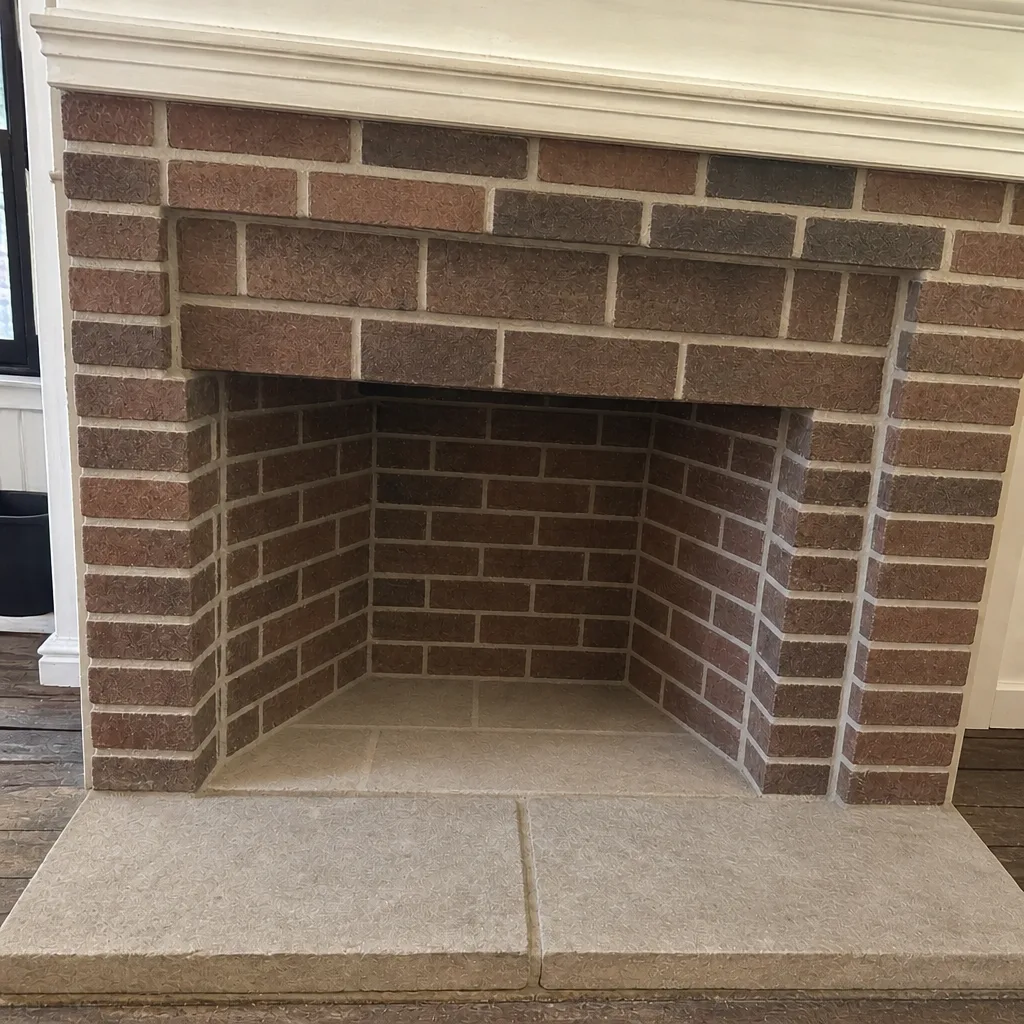 After
When to Call a Professional
Call a professional if you’ve burned wood this season and haven’t had the flue swept, if you notice a draft or a smell from the fireplace when it’s not in use, if you see creosote buildup or water staining on the masonry, or if your chimney hasn’t been inspected in more than a year. Call sooner if you’ve had a chimney fire, even a small one – the damage to the flue lining is often invisible from the firebox. And call before you burn, not after: a clean flue is a safe flue, and the inspection that comes with a sweep is what catches a problem before it becomes a repair. Chimney Sweep Bayside offers free estimates in Bayside – call (833) 482-5742. We answer 24/7. Fast dispatch from 7am to 7pm, Sunday through Friday.
Frequently Asked Questions
New York State does not require a specific license for chimney sweeps, so there is no state licensing credential for you to check. What you can and should verify is CSIA certification, NFI certification for gas appliances, and current liability insurance. Those are the credentials that actually signal competence in this trade. Call (833) 482-5742 for an exact quote – estimates are free.
A chimney sweep cleans the flue. A chimney company cleans, inspects, diagnoses, and repairs – covering the crown, cap, liner, and firebox as one system. In Bayside, the difference matters because repair work referred out to a second contractor splits accountability across two parties. Ask before you book which one you’re hiring. Call (833) 482-5742 for an exact quote – estimates are free.
Ask the contractor for their CSIA certification number and check it on the CSIA’s public directory, which lists active certifications. A lapsed certification is common in this trade because renewal requires continuing education, so the number alone isn’t proof. A contractor who hesitates to give you the number is telling you something. Call (833) 482-5742 for an exact quote – estimates are free.
Ask for the camera inspection photos that show the failure. Nothing should be recommended without evidence you can see for yourself, and a liner recommendation without photos is a red flag. A liner replacement is a real repair – DuraFlex flexible liner systems are the industry standard – but it should be documented, not asserted. Call (833) 482-5742 for an exact quote – estimates are free.
It should, and you should confirm before booking. A sweep without an inspection is cleaning, not protecting – it leaves the structural condition of the chimney unassessed. Ask specifically whether the inspection includes a camera and whether you’ll receive photos afterward. Call (833) 482-5742 for an exact quote – estimates are free.
Because a liner replacement or crown repair carried out by a subcontractor splits accountability across two companies, and when something fails, neither owns it. A full-service contractor who installs DuraFlex liners and applies HeatShield ceramic resurfacing with their own technicians keeps the diagnosis and the repair under one roof. Call (833) 482-5742 for an exact quote – estimates are free.
The general standard is once a year for a wood-burning chimney in active use, plus an inspection every year whether or not the flue needs a sweep. Gas appliances still need annual inspection even though they don’t produce creosote. If you’ve burned more than usual or noticed a draft, don’t wait for the annual mark. Call (833) 482-5742 for an exact quote – estimates are free.
The Bottom Line
Hiring a chimney contractor in Bayside comes down to verifying what the state doesn’t require: CSIA and NFI credentials, current liability insurance, and a documented inspection with photos. Ask the diagnostic questions – stage-3 creosote, camera inspection, repair capability, product lines – and listen for whether the answers come from a technician or a salesperson. Compare written estimates on scope, not total, and treat the smoke chamber and firebox surround as the two areas that reveal what kind of sweep you’ve hired. A full-lifecycle contractor who names DuraFlex, HeatShield, Gelco, and Olympia Chimney is a contractor who’s made technical decisions. One crew, start to finish, from the firebox to the chimney cap. That’s the standard worth holding out for.
Chimney Sweep Bayside offers free estimates throughout Bayside and the surrounding Queens neighborhoods. Our technicians have up to 13 years of experience, and the work covers sweeping, inspection, cap and crown, structural repair, and fireplace repair as a single scope. Call (833) 482-5742. We answer 24/7. Fast dispatch from 7am to 7pm, Sunday through Friday.
For the full picture of what we do, start at Chimney Sweep Bayside.
Written by the team at Chimney Sweep Bayside.