
Last updated November 25, 2026
 Sweep & inspection
 Caps & crowns
 Flue relining
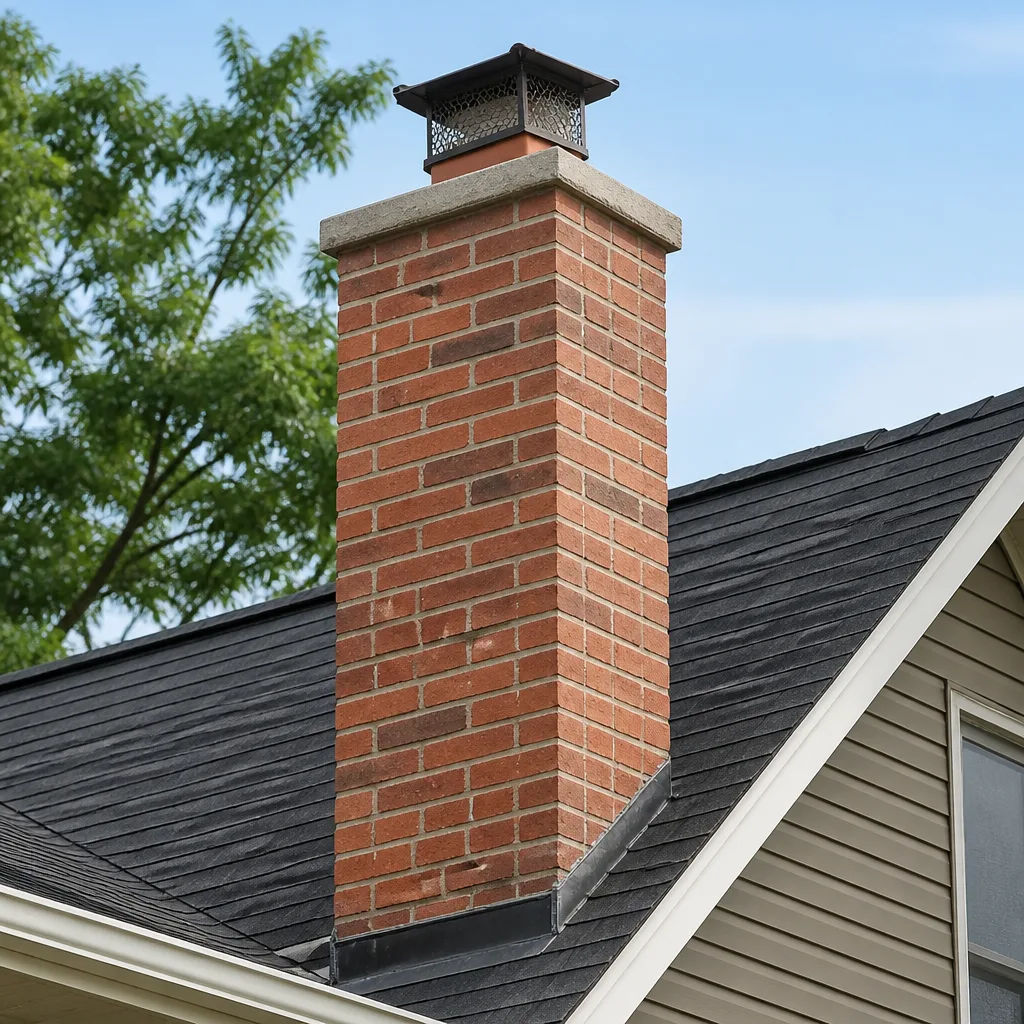 Masonry repair
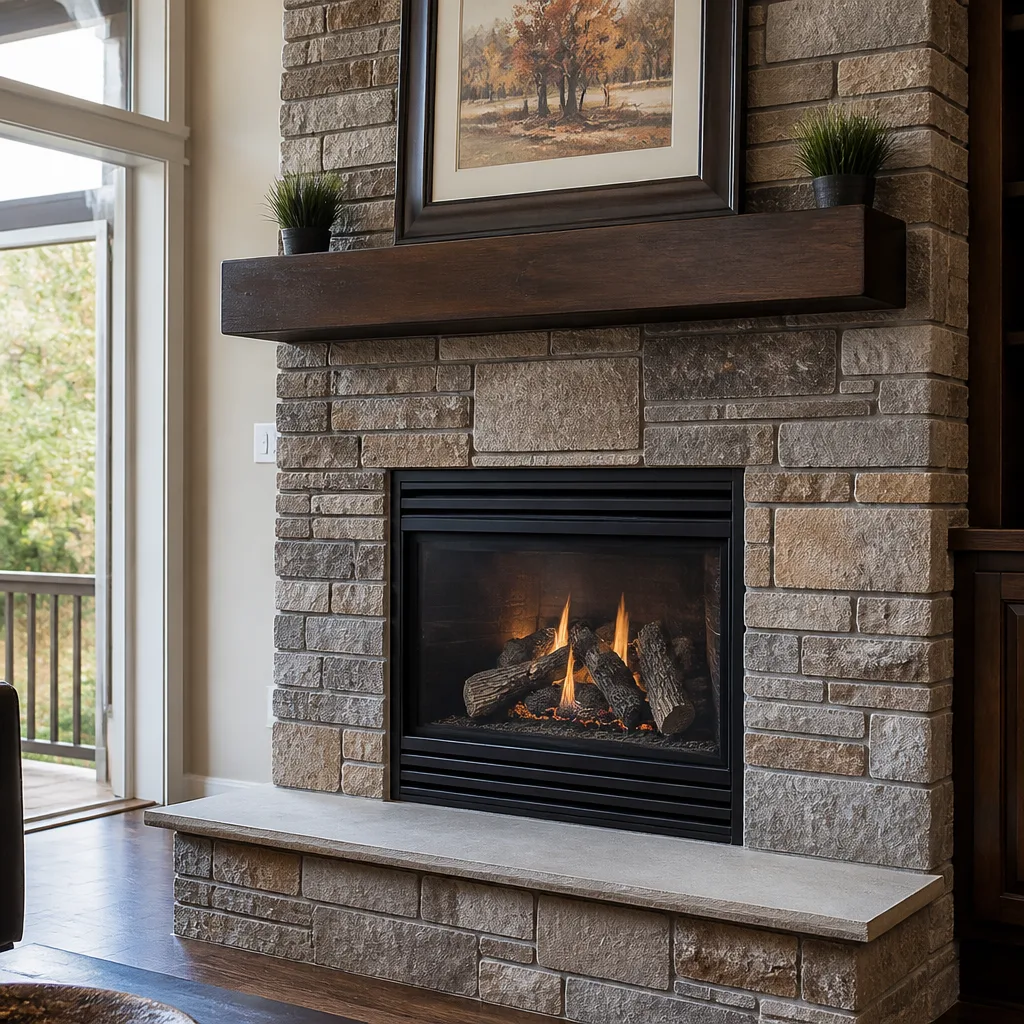 Gas fireplace service
Level 1 sweep and inspection to the NFPA 211 annual standard - flue, crown, cap, and flashing checked and photographed
Chimney sweep logs do not sweep chimneys. They loosen some creosote - which then falls where a brush and vacuum still have to collect it.
Chimney Cleaning Cost Breakdown: The Bayside Homeowner’s Reference for 2026
A $99 “chimney sweep special” in Queens usually buys you about 45 minutes of brushing with no camera inspection, no smoke chamber service, and no written report. You’ve paid someone to remove soot from the visible flue, but you still have no idea whether that flue is safe to burn in tonight. That’s the gap this guide closes. In Bayside, NY, a genuine sweep plus inspection falls somewhere between roughly $250 and $500 depending on the scope of work, and once you understand what’s inside those quotes you can compare them on equal terms and spot the one that’s leaving something out. What follows is a line-item cost framework, not a pitch.
Quick Answer
A standard chimney sweep in Bayside, NY in 2026 typically costs about $200 to $320 and includes brushing of the flue plus a Level 1 visual inspection. Adding a camera-based Level 2 inspection with a written photo report usually brings the total to $350 to $550. Repair diagnoses, smoke chamber parging, and damper work are billed as separate line items, and liner replacement for a deteriorated flue can run into the low thousands depending on the length and diameter of the run.
Styles & brands we work with
- Sweep & inspection
- Caps & crowns
- Flue relining
- Masonry repair
- Gas fireplace service
Table of Contents
- What a Standard Sweep Actually Covers
- The Level 2 Inspection: Why It’s the Line Item That Matters
- Why Bayside Pricing Runs Higher Than National Averages
- The Add-Ons That Are Almost Always Necessary in Pre-1970 Bayside Homes
- How to Read a Written Estimate Like a Professional
- Repair Diagnoses: What Gets Billed Separately and Why
- The Cost-Per-Year Math: Skipping a Sweep vs. Replacing a Liner
- Common Mistakes to Avoid
What a Standard Sweep Actually Covers
A standard sweep is one of five core services in a full chimney program, and it’s the entry point for everything else. In a properly scoped sweep, a technician arrives with drop cloths, brushes, rods, and a serious vacuum, and works from the firebox up to the top of the flue. The goal is simple: remove the creosote and soot accumulation that reduces draft and creates fire risk. That’s it. A sweep is not an inspection, and it is not a repair.
Here’s what a properly scoped standard sweep in Bayside typically includes:
- Protection of the hearth and surrounding floor with drop cloths and sheeting
- Brushing of the flue from the firebox or from the roof, depending on the flue configuration
- Removal of soot and creosote from the smoke shelf and smoke chamber
- Vacuuming of the firebox and cleanup of the work area
- A basic visual check of the firebox, damper, and accessible flue components
What a cheap sweep often leaves out: the smoke chamber. That’s the tapered space just above the damper, and it’s where a lot of creosote accumulates without anyone seeing it. If a quote doesn’t mention the smoke chamber, ask directly. Most reputable sweeps include it as part of a standard service, but the discount operators don’t, and that’s part of why their price looks so low. The difference isn’t the labor rate. It’s the scope.
If you want to understand how a full sweep fits into a broader maintenance program, our chimney sweep service page walks through the whole sequence from firebox to cap.
The Level 2 Inspection: Why It’s the Line Item That Matters
A Level 1 inspection is a visual check of what the technician can see without a camera. A Level 2 inspection is a camera-based evaluation of the full interior of the flue, and in Bayside that’s usually the difference between a safe chimney and a hidden problem. The inspection is not an upsell. It’s the whole point of having someone trained look at your chimney.
In the NYC market, a Level 2 inspection typically adds $150 to $250 to a sweep, and it should come with a written report that includes photos of anything the camera found. The photos matter because you can look at them yourself. If a technician tells you the flue is failing, you should be able to see the cracked tile, the missing mortar joint, or the offset that caused the diagnosis. No photo, no evidence, no work order.
Here’s what a Level 2 inspection actually checks:
- The flue interior. The camera goes up the flue to look for cracked tiles, gaps in mortar joints, and spalling. Most failures start at the joints, not the tile faces.
- The smoke chamber. Rough, unparged surfaces here accumulate creosote and restrict draft. We use chimney repair techniques including HeatShield ceramic resurfacing to address this when it’s warranted.
- The damper. Does it open and close fully? Does it seal? A warped damper leaks heat and lets smoke back into the room.
- The firebox. Cracks in the firebrick or the mortar joints between them are failure points that can let heat reach combustibles behind the wall.
- The crown and cap. The top of the chimney is where water enters, and water is the most common cause of long-term deterioration. Proper chimney cap & crown work protects the entire flue.
A Level 2 is also the right inspection when you’ve just bought a home, changed the appliance, or had a chimney fire. A Level 1 sweep without a camera is like changing your oil without checking the filter. It’s better than nothing, but it’s not a diagnosis.
Why Bayside Pricing Runs Higher Than National Averages
Chimney pricing in Bayside runs roughly 30 to 60 percent higher than the national trade average, and it’s not because local technicians are gouging. It’s three structural factors: insurance and liability costs in the NYC market, the physical constraints of working in dense residential neighborhoods, and the age and construction of the housing stock itself.
Insurance and liability
Roof work and flue access carry real liability. A chimney sweep operating in New York City carries a level of general liability coverage that a rural operator doesn’t, and that cost shows up in every quote. When you see a flyer for a $99 sweep, one question worth asking is what happens if the technician cracks a flue tile or drops something onto your roof. The low quote is often low because there’s no cushion for that scenario.
Parking and access
Bayside is dense. Getting a truck close enough to run a roof access ladder, haul equipment, and set up safely takes time, and time is labor. On a narrow residential block, setup alone can take longer than a 30-minute sweep in an open lot. A quote that doesn’t account for that reality is either cutting corners on setup or planning to charge you extra the day of the job.
Older housing stock
A lot of Bayside homes were built before 1970, and pre-1970 chimneys were built with materials and methods that are no longer standard. Clay tile flues laid without modern expansion joints, unparged smoke chambers, and fireboxes that have been patched with the wrong mortar are all common. Older chimneys take more careful work to clean and inspect, and they’re more likely to reveal something that needs a repair conversation. If you want a deeper look at how this plays out across the borough, the full Chimney Sweep Bayside resource covers the local picture.
The Add-Ons That Are Almost Always Necessary in Pre-1970 Bayside Homes
In pre-1970 Bayside homes, three add-on services come up often enough that they should be part of the cost conversation from the start: smoke chamber parging, damper replacement or repair, and chimney cap work. None of these are upsells in the usual sense. They’re the parts of the system that age out fastest and are most often skipped by the low-bidder.
Smoke chamber parging
The smoke chamber is the tapered section between the damper and the bottom of the flue. In older chimneys it’s often made of rough brick laid corbel-style, and that rough surface catches creosote like a comb. Parging smooths that surface so creosote has less to grab. Applying a ceramic parging compound like HeatShield is a specialty service that most general sweeps don’t offer. In the NYC market, smoke chamber parging typically runs $600 to $1,200 depending on the size of the chamber and how much prep work is needed. We’re certified to apply HeatShield, which lets us address a rough chamber without tearing it apart.
Damper replacement
The damper is the plate that seals the chimney when the fireplace isn’t in use. When it’s warped or rusted, it leaks room air up the flue all winter and can let smoke spill back into the room when the fire is burning. A top-sealing damper is often the cleanest fix because it seals at the top of the flue, which also keeps out rain and animals. A throat damper replacement or repair typically runs $250 to $650 installed, depending on the type. It’s a small line item that pays for itself in heat retention alone.
Chimney cap and crown work
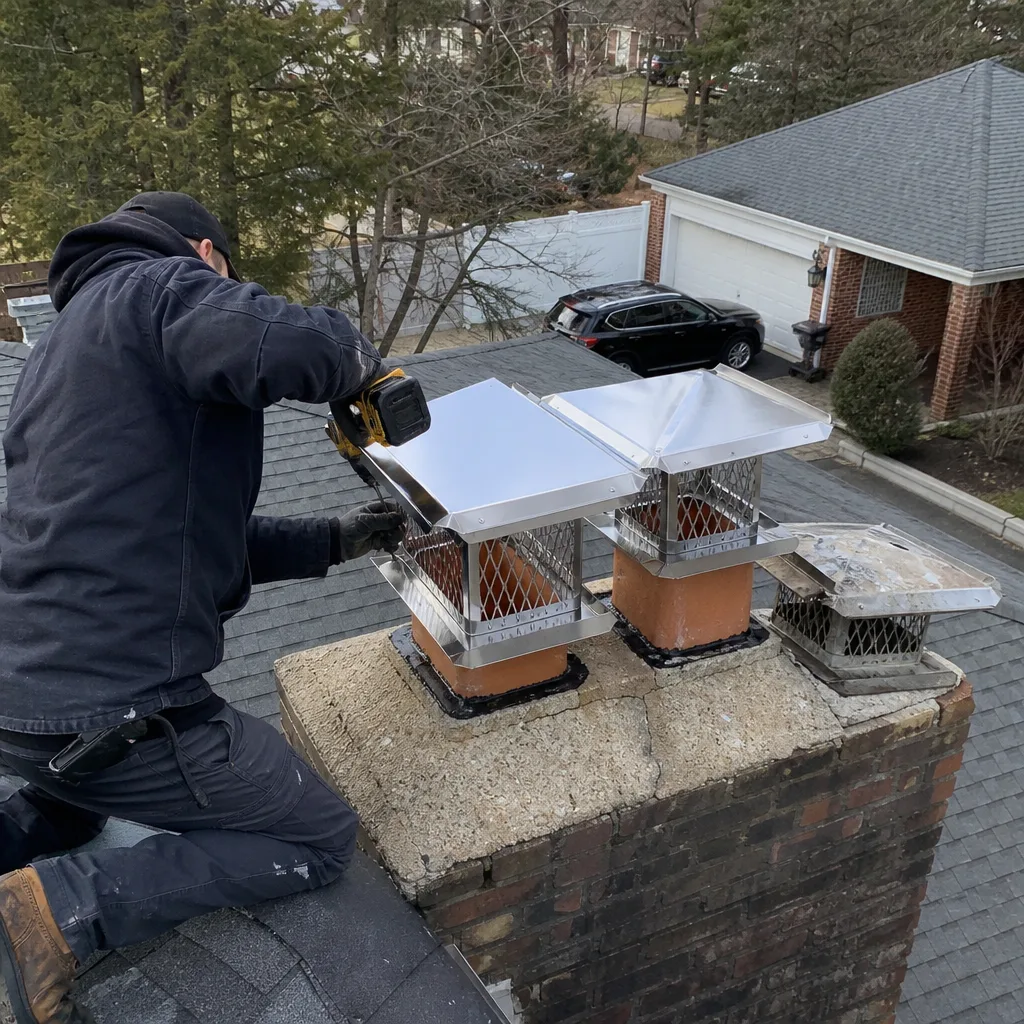
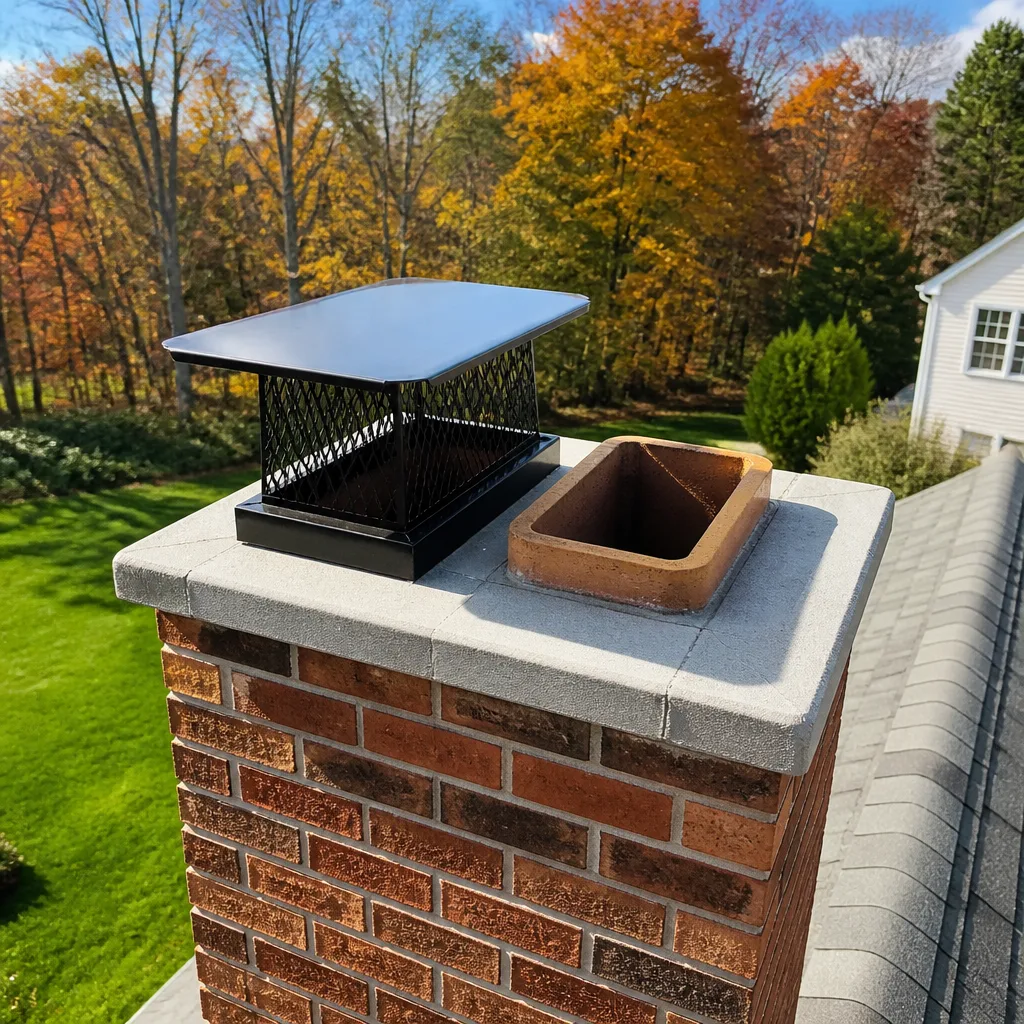
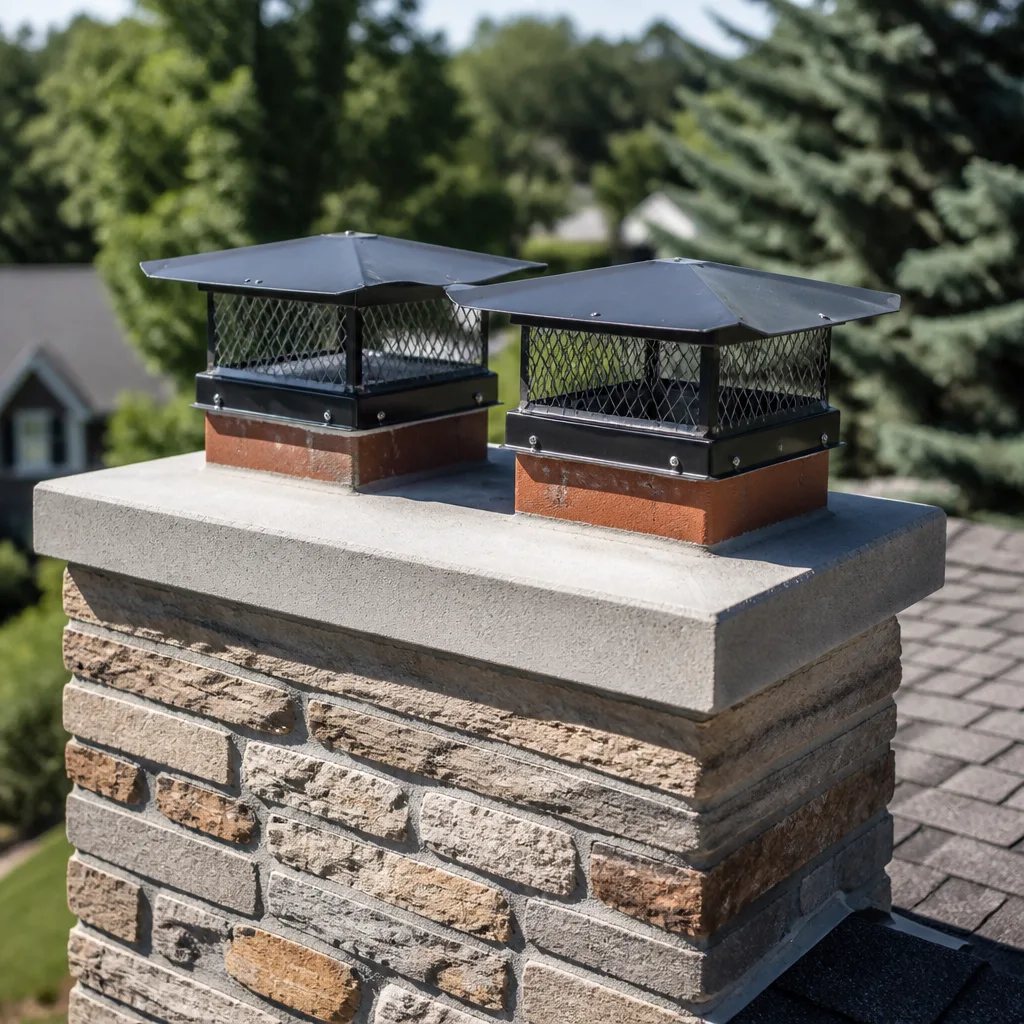
The cap is the lid that keeps rain, snow, and birds out of the flue. The crown is the sloped concrete surface at the top of the chimney that sheds water. When either is damaged, water gets into the structure, and water is what kills chimneys. Crown repair typically runs $400 to $1,200, and cap installation typically runs $150 to $450. Both are cheaper than the structural repairs that follow when they’re left alone.
We use products from DuraFlex, HeatShield, and Olympia Chimney because we can trace the material and stand behind the warranty. It’s a different proposition than anonymous parts from a bin at a discount supplier.
How to Read a Written Estimate Like a Professional
A written estimate is the single most useful tool a homeowner has for comparing chimney contractors. Two quotes for the same service can differ by hundreds of dollars, and the difference is almost never in the hourly rate. It’s in the scope. A properly written estimate tells you exactly what’s being done, what’s being excluded, and what happens if something gets found along the way.
Here’s how to read one line by line:
- Check for a line item for the smoke chamber. If it’s not listed, it’s probably not being serviced. That’s not a savings. That’s a skipped step.
- Look for the inspection level. “Inspection included” is not specific enough. It should say Level 1 or Level 2, and it should say whether a camera is used and whether you get a written report with photos.
- Look for the word “firebox” or “fireplace surround.” If the estimate only mentions the flue, the technician hasn’t scoped the firebox side of the job. The firebox is where a fire starts, and cracks there are a real safety issue.
- Check what the estimate says about repairs. A good estimate says what’s included in the sweep price and what will be quoted separately if a repair is needed. You should never be surprised by a repair bill the same day.
- Verify that the technician is qualified to do the repair work. If a sweep does cleaning only, a repair diagnosis turns into a referral. If they handle the sweep, the cap and crown, structural chimney repair, and fireplace repair in-house, you have one point of contact from diagnosis to completion.
- Look for brand names on materials. “Premium liner” is not a specification. “DuraFlex flexible liner installed in-house” is. Named products can be looked up, warrantied, and traced. That matters if anything ever goes wrong.
- Confirm the estimate is in writing and free. A quote given verbally over the phone is a guess. A free written estimate agreed before booking is the standard.
The list is short, but it’s the difference between a $99 brush-and-go and a service that actually protects your home. Every item on this list is something you can verify before a technician ever gets on a ladder.
Repair Diagnoses: What Gets Billed Separately and Why
Repair diagnosis is often quoted as a separate line item from the sweep, and that’s normal. The reason is that diagnosing a repair takes time and equipment beyond what a sweep uses. A camera push up a flue takes longer than a brush run, and a proper diagnosis involves looking at the crown, cap, damper, firebox, and smoke chamber as one system rather than as individual parts.
In the NYC market, a standalone Level 2 inspection or repair diagnosis typically runs $250 to $450 if it’s not bundled with a sweep. Bundled with a sweep, the incremental cost is usually $100 to $200. If you’re getting a sweep anyway, bundling is almost always the cheaper path. The diagnosis is the product. The sweep is the maintenance that makes the diagnosis meaningful.
When a repair is identified, the written estimate should include:
- A photo of the actual defect the camera found
- The brand and type of material being proposed (for example, DuraFlex for a flexible liner, HeatShield for smoke chamber resurfacing)
- An itemized price for the repair, separate from the sweep
- A clear statement of what will happen if the repair is postponed
That last item is important. Not every finding is urgent. A small crack in a firebox mortar joint is a repair, but it’s not a fire risk tonight. A flue tile that’s cracked and spalling on the interior is a different story. A good technician tells you which is which. If you can’t see the photos, you can’t evaluate the recommendation, and you shouldn’t be asked to make a decision on a look-only basis.
The Cost-Per-Year Math: Skipping a Sweep vs. Replacing a Liner
The cheapest way to own a chimney is to sweep it every year. The most expensive way is to skip it for three to five seasons and then pay for a liner replacement. The math is not subtle, and it’s worth doing on paper.
Here’s the typical comparison in Bayside:
- Annual sweep plus Level 1 inspection: typically $200 to $320 per year
- Sweep plus Level 2 inspection: typically $350 to $550 every few years as needed
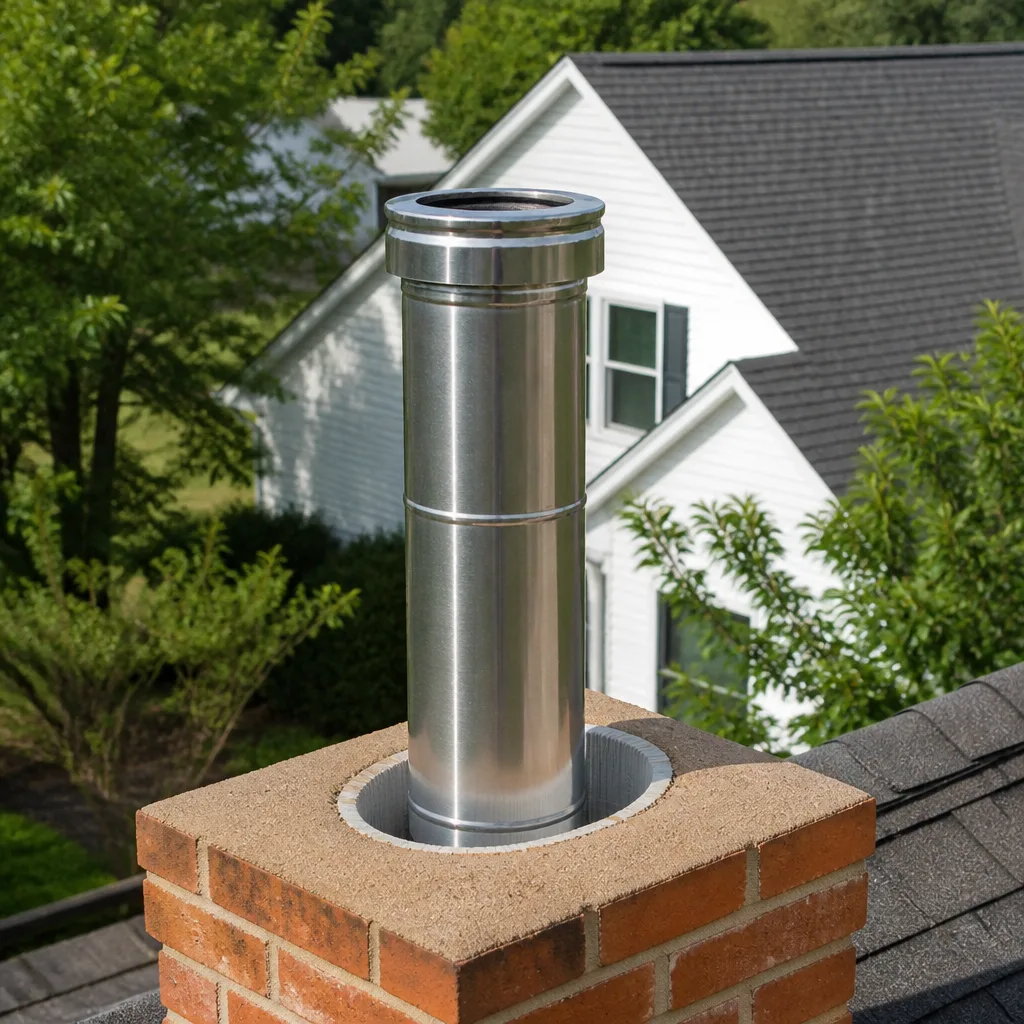
- Flexible liner replacement (DuraFlex or comparable): typically $3,000 to $8,000 or more depending on flue length, diameter, and access
Five years of annual sweeps at the middle of that range comes to roughly $1,300. One liner replacement costs several times that. The liner replacement isn’t optional once the flue is compromised. A deteriorated flue can let creosote, heat, or combustion gases escape the flue, and that’s when the repair stops being a chimney repair and starts being a home safety issue.
The key number is seasons, not years. It’s often three to five seasons of skipped sweeps before a marginal flue turns into a liner replacement, especially in a chimney with older clay tile and an unparged smoke chamber. That’s the window where an annual sweep plus a camera inspection catches the deterioration while it’s still a small repair rather than a large one. A clean flue is a safe flue. A neglected flue is a liner waiting to be bought.
Flexible liner work is handled in-house with DuraFlex, which means the same team that diagnoses the problem does the liner install. That matters because a liner is the most critical single component of the whole system, and it shouldn’t be subcontracted to whoever answers a phone that day.
Common Mistakes to Avoid
- Buying the $99 special. It’s not a scam, but it’s not a chimney service either. It usually covers a brush run with no inspection and no smoke chamber work, which leaves you without the information you actually needed. Ask what’s included before you book.
- Never getting a camera inspection. A visible flue can look fine while the interior tile is cracked and spalling. In Bayside’s pre-1970 housing stock, camera inspection is the only way to know the real condition. Ask for Level 2 and ask for the photos.
- Skipping the smoke chamber. A sweep that brushes the flue and ignores the smoke chamber is leaving accumulation in the space that matters most for draft and creosote buildup. Not all sweepers scope it. Ask directly.
- Hiring a sweep who can’t repair. If the company only cleans, a repair diagnosis becomes a referral to someone else, and the repair conversation starts over. That’s the moment homeowners get talked into a bigger job than they need.
- Ignoring the crown and cap. The crown and cap are the weatherproofing. When they’re damaged, water gets in, and water damage is the slow root cause of most structural chimney problems. If the cap is missing or the crown is cracked, that’s a real line item, not an upsell.
- Skipping a sweep after a chimney fire. Even a small chimney fire can crack tile and warp the damper. A sweep and a Level 2 inspection after any chimney fire is not optional. Burn damage doesn’t stay where you can see it.
- Assuming a newer patio or surrounding work means the chimney is fine. The chimney has its own water-shedding geometry (crown and cap) and its own draft path (flue and smoke chamber). New work elsewhere on the property says nothing about the flue.
See the difference
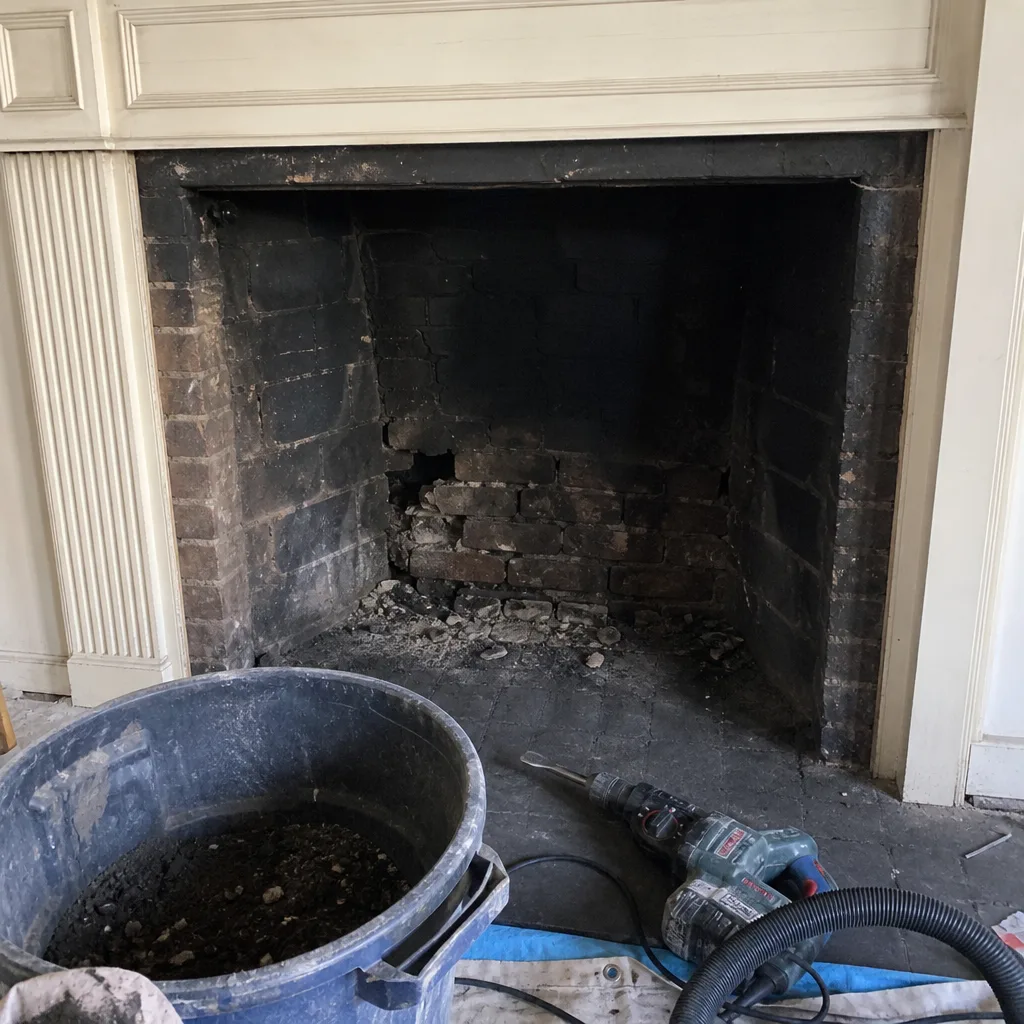 Before
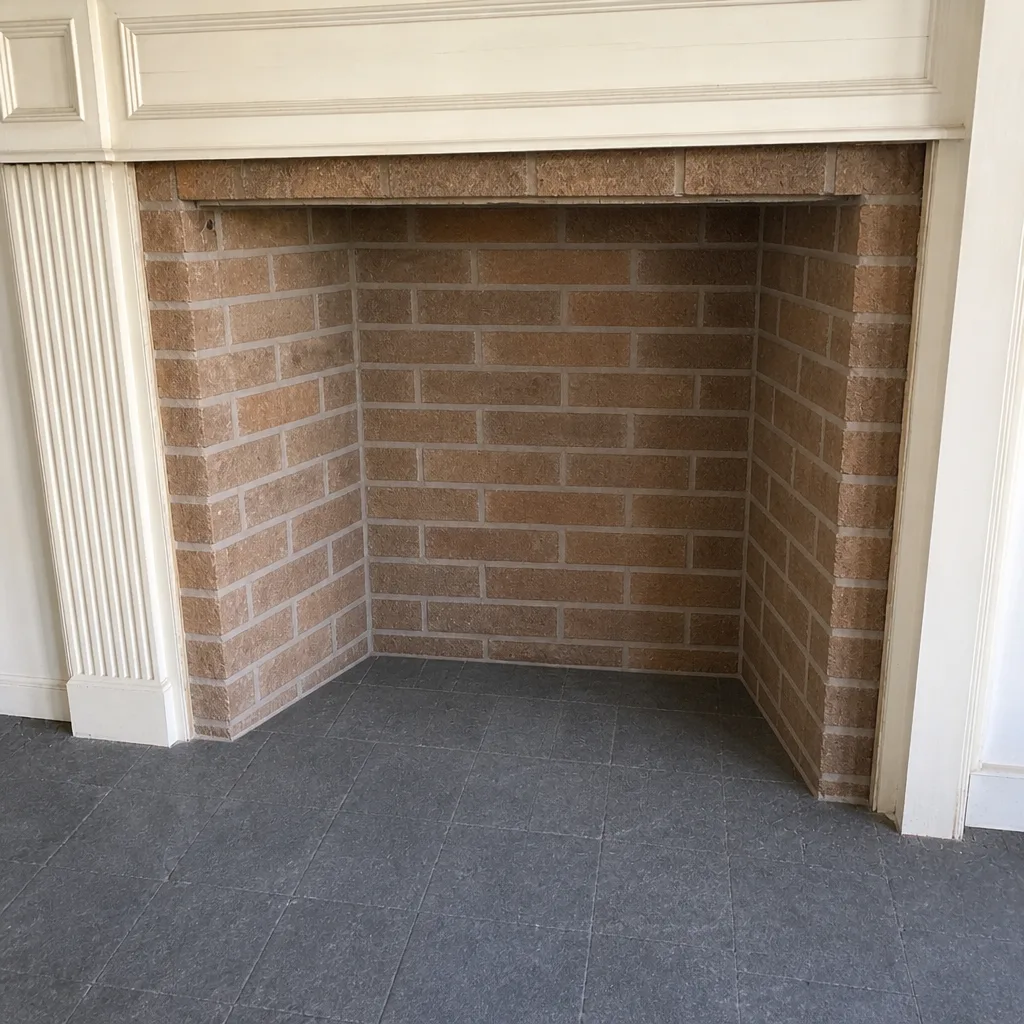 After
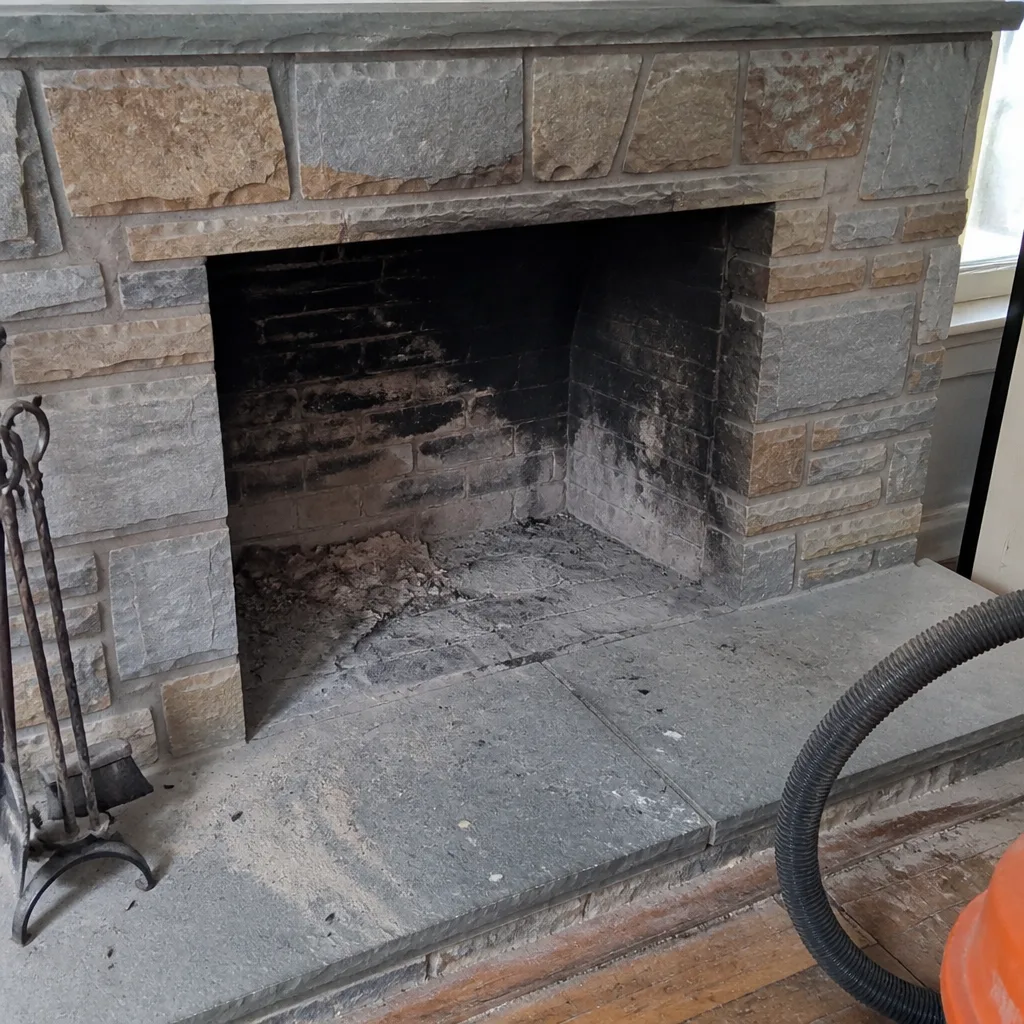 Before
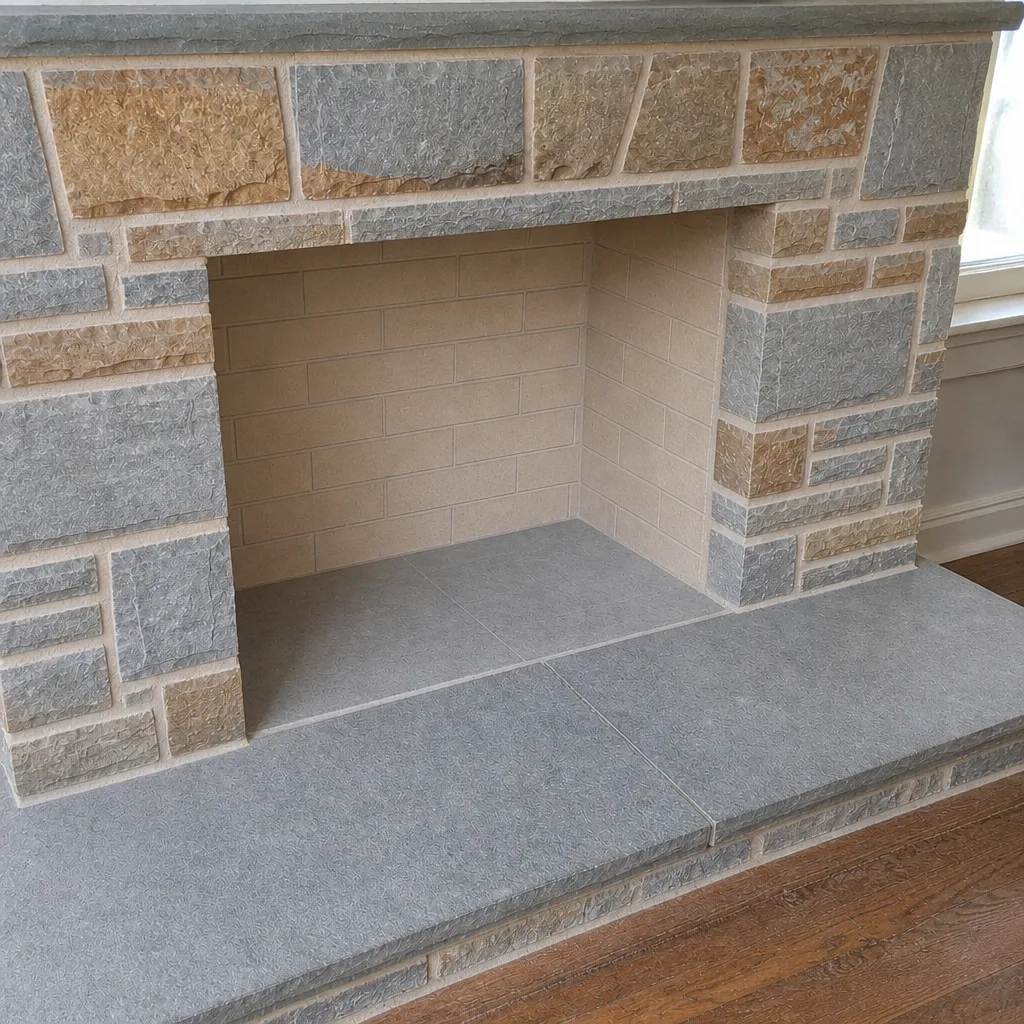 After
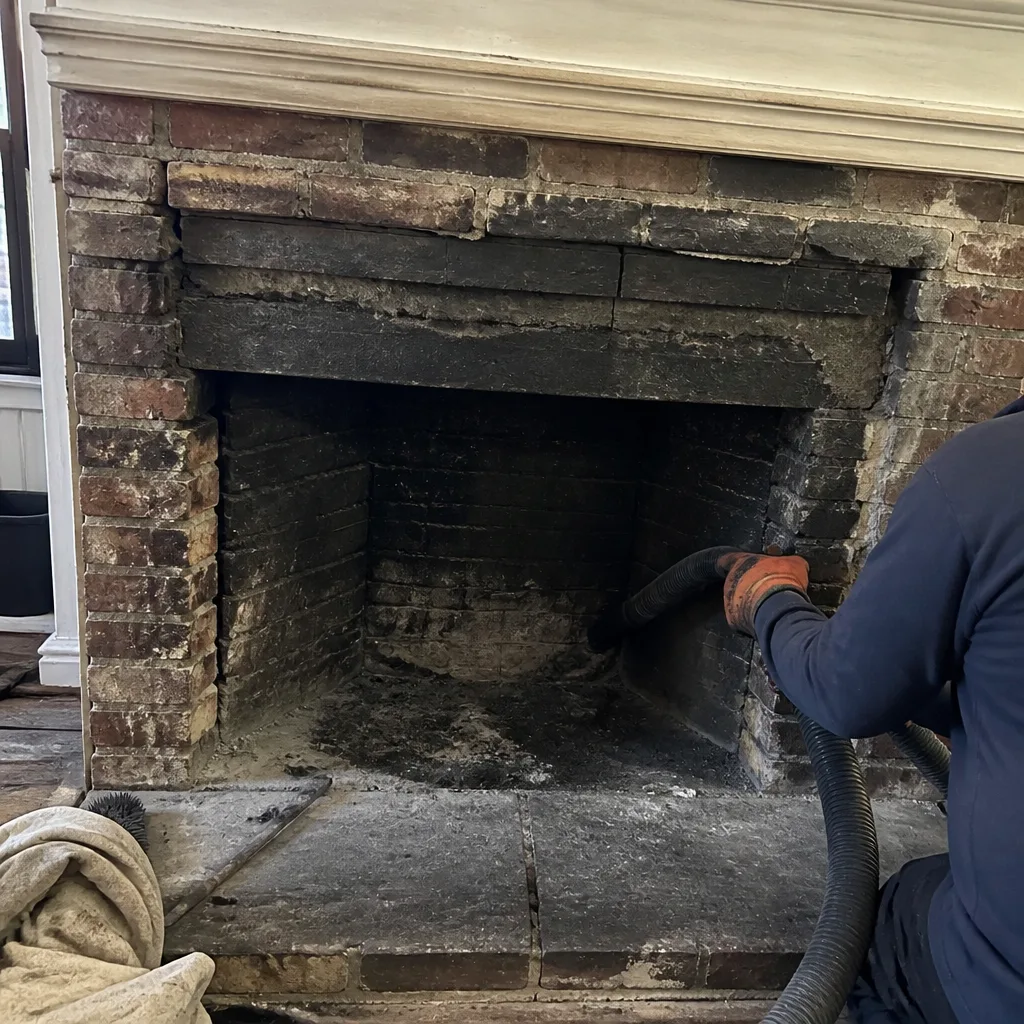 Before
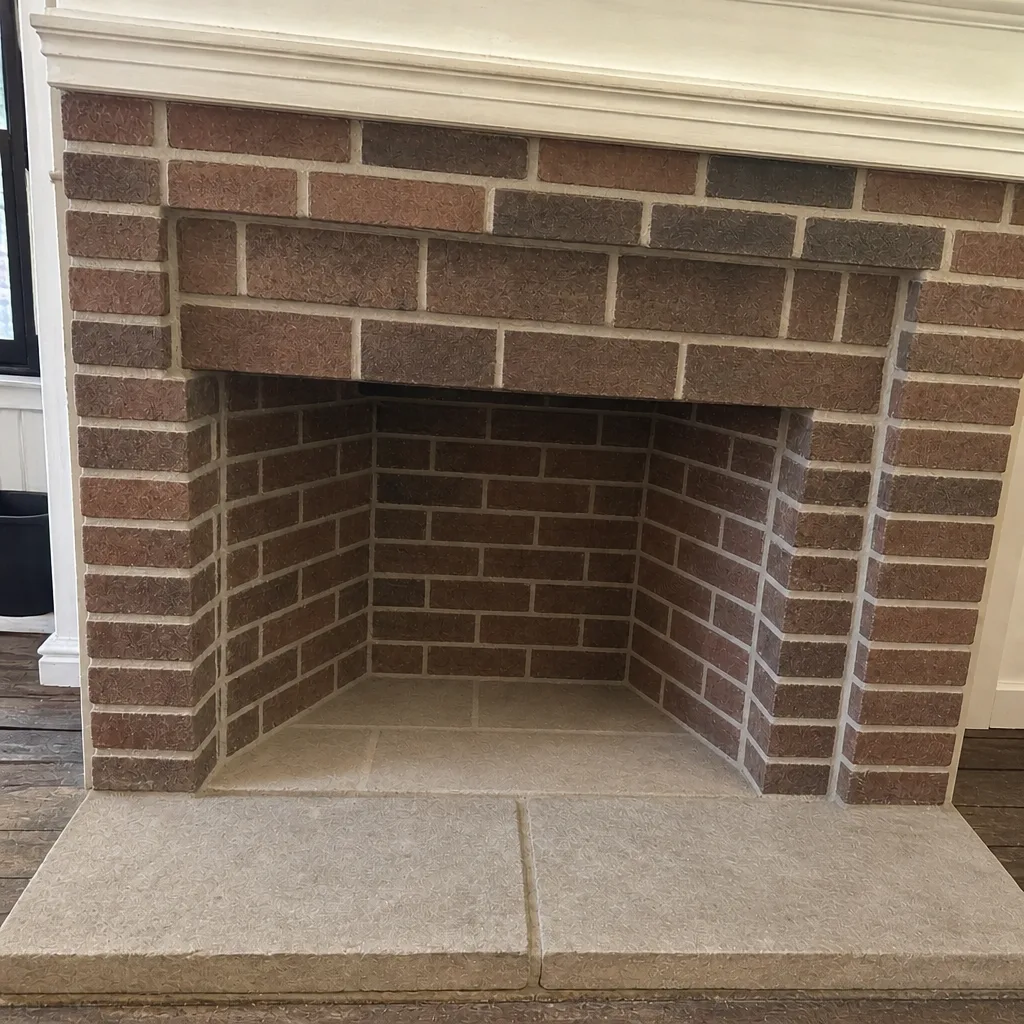 After
When to Call a Professional
Call a professional chimney service if you’re seeing or smelling any of the following: creosote flakes or soot on the hearth, a strong creosote smell on warm days, smoke spilling into the room when the fireplace is lit, a damper that won’t open or seal, or visible cracks in the firebox brick or the mortar joints. Each of those points to a condition that a sweep or an inspection needs to evaluate. Chimney work involves heights, enclosed spaces, and combustion products. It’s not a homeowner task. If the firebox or flue is compromised, using the fireplace can put heat or carbon monoxide where it doesn’t belong, and that’s a safety matter for a trained professional, not a do-it-yourself job.
Chimney Sweep Bayside offers free estimates in Bayside. Call (833) 482-5742 to book one. We answer 24/7. Fast dispatch from 7am to 7pm, Sunday through Friday. Our technicians have up to 13 years of experience, and every recommendation comes with camera evidence you can look at before you decide.
Frequently Asked Questions
A standard sweep with a Level 1 inspection in Bayside typically costs about $200 to $320, and a sweep bundled with a Level 2 camera inspection typically costs $350 to $550. Repair diagnoses, smoke chamber parging, liner replacement, and cap or crown work are separate line items. Call (833) 482-5742 for an exact quote. Estimates are free.
No. Not every year. You need a Level 2 when there’s a reason for it: after a chimney fire, after a house purchase, after a change in appliance, or on a chimney of unknown condition. On pre-1970 Bayside chimneys, we generally recommend a Level 2 the first time we see a flue, then a Level 1 on subsequent annual sweeps unless the visual shows a red flag.
Because the NYC market carries higher insurance costs, tighter parking and access, and older housing stock that takes more careful work. A sweep on a dense Bayside block involves more setup, more liability coverage, and more likelihood of finding a repair that needs to be documented. The price reflects the whole job, not just the brushing.
Creosote accumulates, draft falls off, and small cracks and joint failures go unnoticed. Three to five skipped seasons can turn a $250 annual sweep into a $3,000 to $8,000 liner replacement. It can also put combustion products where they don’t belong. Call (833) 482-5742. Estimates are free.
Our policy is that nothing is recommended without camera evidence you can see for yourself. We show you the photos of what the camera found, quote the repair as a separate line item from the sweep, and tell you plainly when a piece of work can safely wait. If no camera evidence shows a problem, we don’t recommend a repair.
In many cases, no tear-out is needed. HeatShield ceramic flue resurfacing is designed to rehabilitate a flue whose joints have failed but whose structure is intact, and it’s a capability most general sweep companies don’t offer. When a full liner is the right answer, DuraFlex flexible liner installation is handled in-house. Call (833) 482-5742 and we’ll explain which applies to your flue after the camera inspection.
The Bottom Line
The range on a chimney cleaning quote is wide for a reason: it’s the scope that moves the price, not the brushing. A sweep at $200 to $320 covers brushing and a visual check. A sweep plus a Level 2 camera inspection with a written photo report at $350 to $550 covers the whole system from the firebox to the chimney cap. The add-ons in older Bayside homes, like smoke chamber parging at $600 to $1,200 and damper work at $250 to $650, show up as separate line items and are worth their cost when the camera evidence supports them. The cheapest way to own a chimney is to sweep it every fall. The most expensive is to skip it and pay for the liner.
When you’re ready to see what your own flue is actually doing, call us. We’ll scope the job in writing, show you the camera evidence, and tell you what can safely wait. Chimney Sweep Bayside offers free estimates in Bayside: call (833) 482-5742. We answer 24/7. Fast dispatch from 7am to 7pm, Sunday through Friday.
Written by the team at Chimney Sweep Bayside.