
Last updated November 25, 2026
 Sweep & inspection
 Caps & crowns
 Flue relining
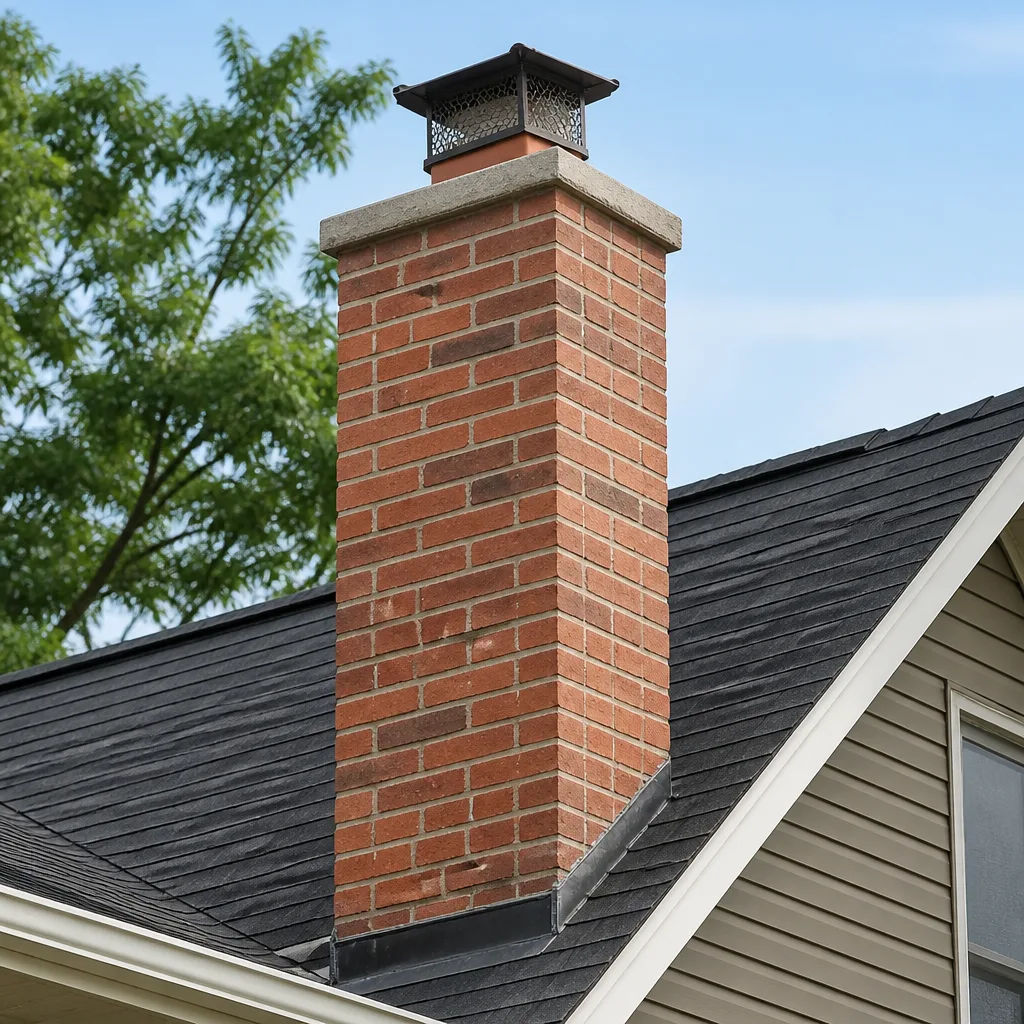 Masonry repair
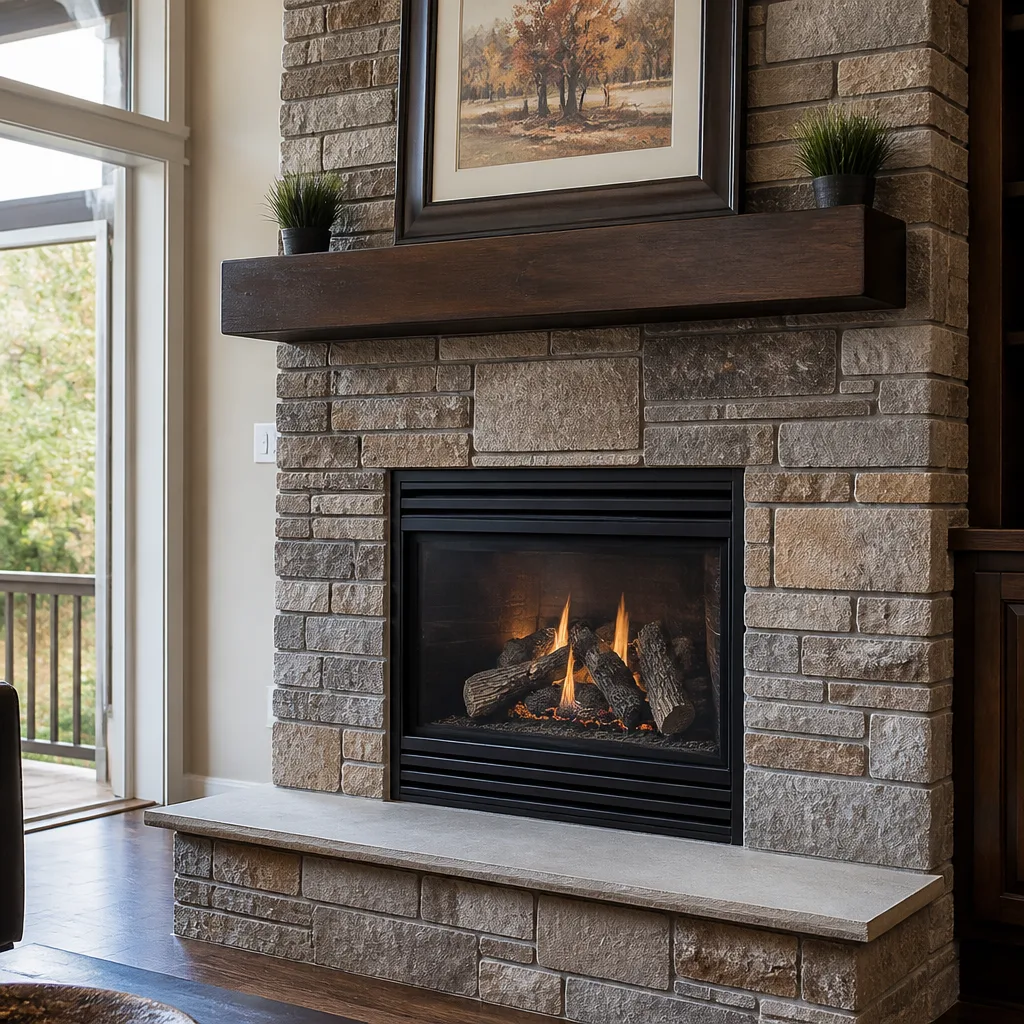 Gas fireplace service
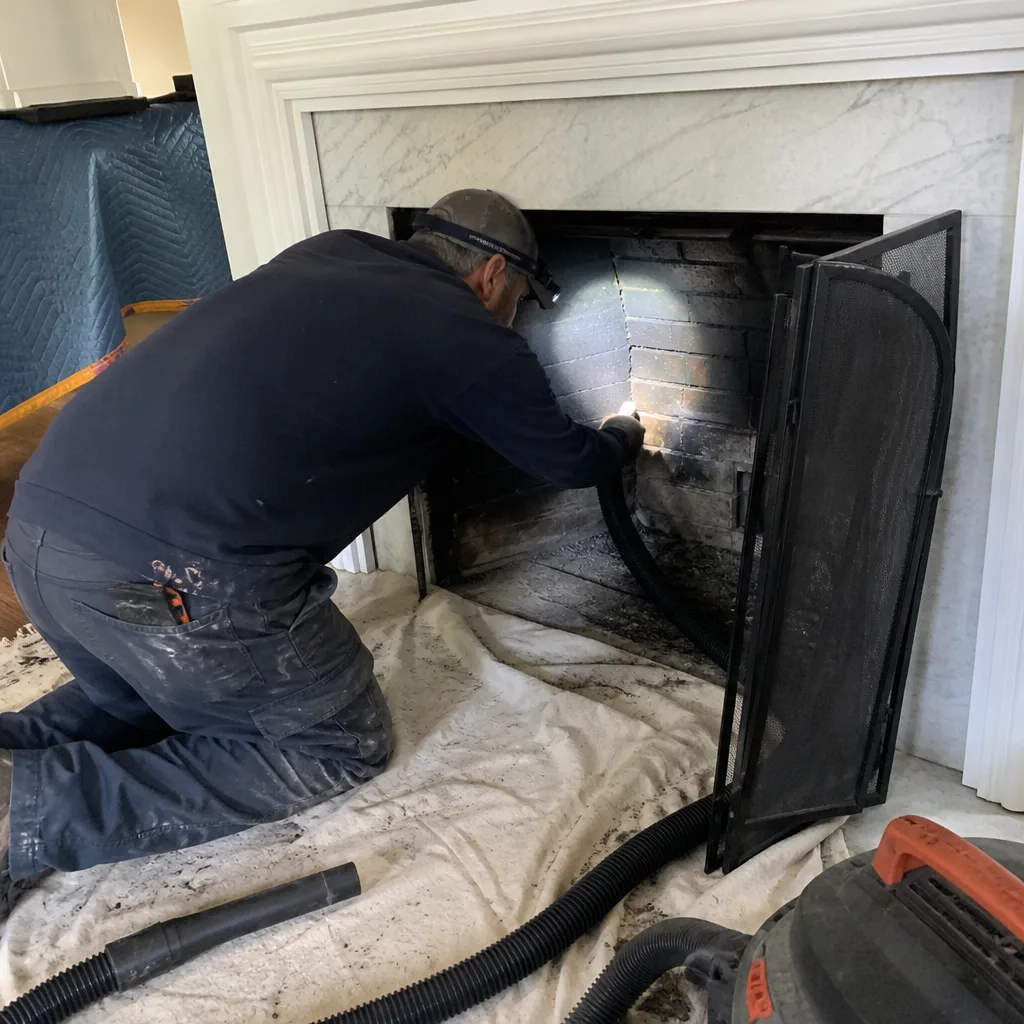
Level 1 sweep and inspection to the NFPA 211 annual standard - flue, crown, cap, and flashing checked and photographed
Chimney sweep logs do not sweep chimneys. They loosen some creosote - which then falls where a brush and vacuum still have to collect it.
Chimney Cleaning Permits, Codes & Inspections in Bayside, NY: What You Need to Know
Most homeowners assume the chimney is one of the few parts of a house nobody regulates. The truth runs the other way. Cleaning a flue usually falls outside the permit system, but the moment a sweep finds cracked tiles, a failed liner, or a crumbling crown, the work can cross into NYC Department of Buildings territory. That threshold is where Bayside homeowners get surprised, especially in a neighborhood full of pre-war and mid-century houses where the original flue has been quietly degrading for decades. This guide explains where cleaning ends and permitted repair begins, which code sections apply, how DOB NOW filings work, what grandfather status really protects, and how to check a chimney’s permit history before you buy or sell in Bayside.
Quick Answer
Routine chimney cleaning in Bayside does not require a permit. Structural chimney repair, liner replacement, and flue resurfacing generally do require a NYC Department of Buildings permit and must comply with NYC Mechanical Code Section 803 and the NYC Building Code, and the filing is typically handled by a licensed master plumber or licensed general contractor rather than a sweep alone. A homeowner should ask for the filed permit number and the sign-off before paying for any repair work.
Styles & brands we work with
- Sweep & inspection
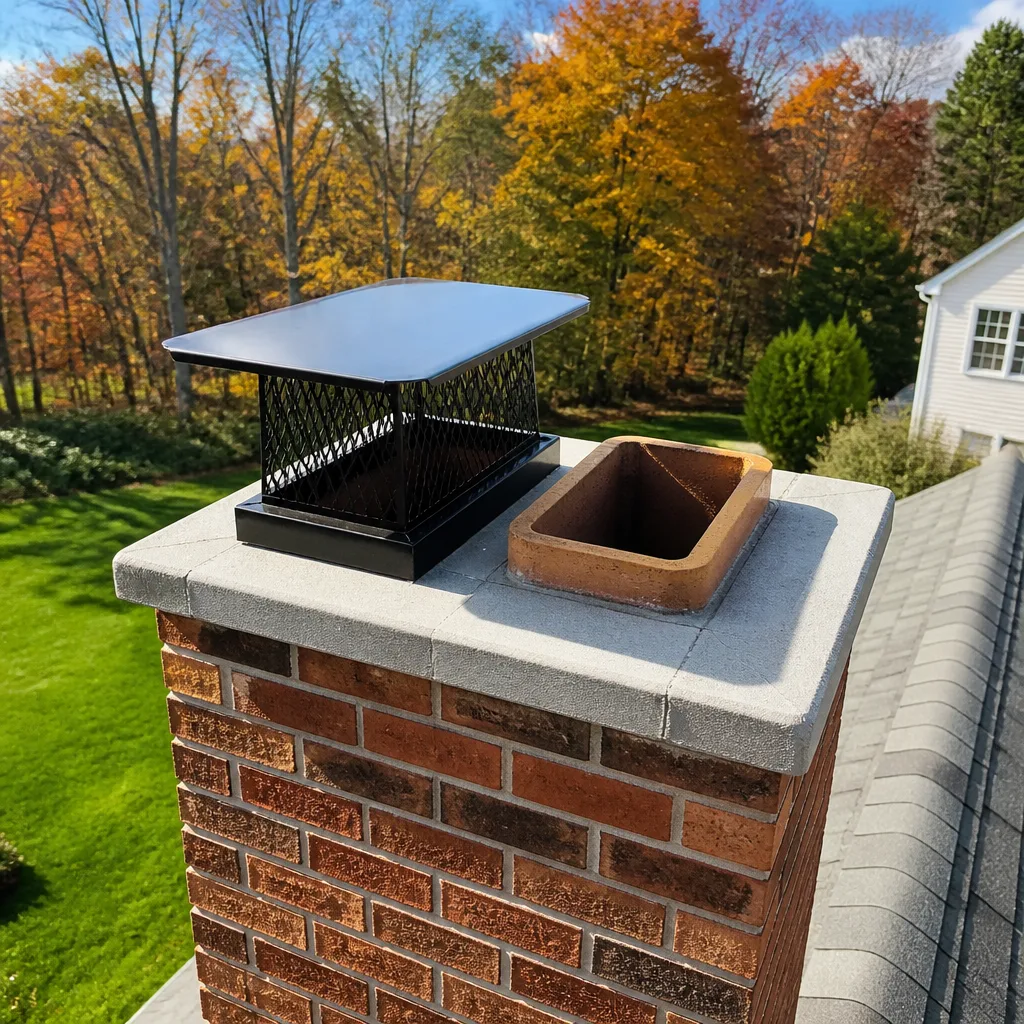
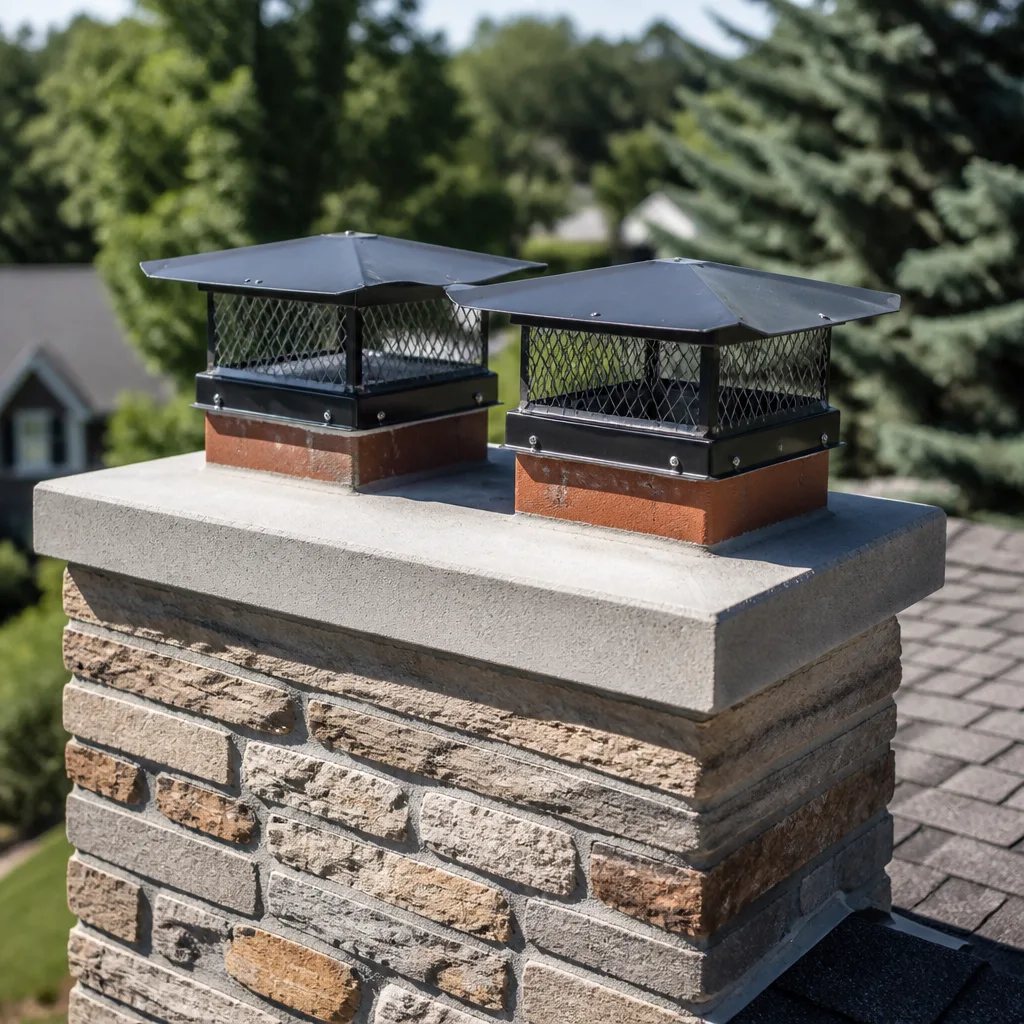
- Caps & crowns
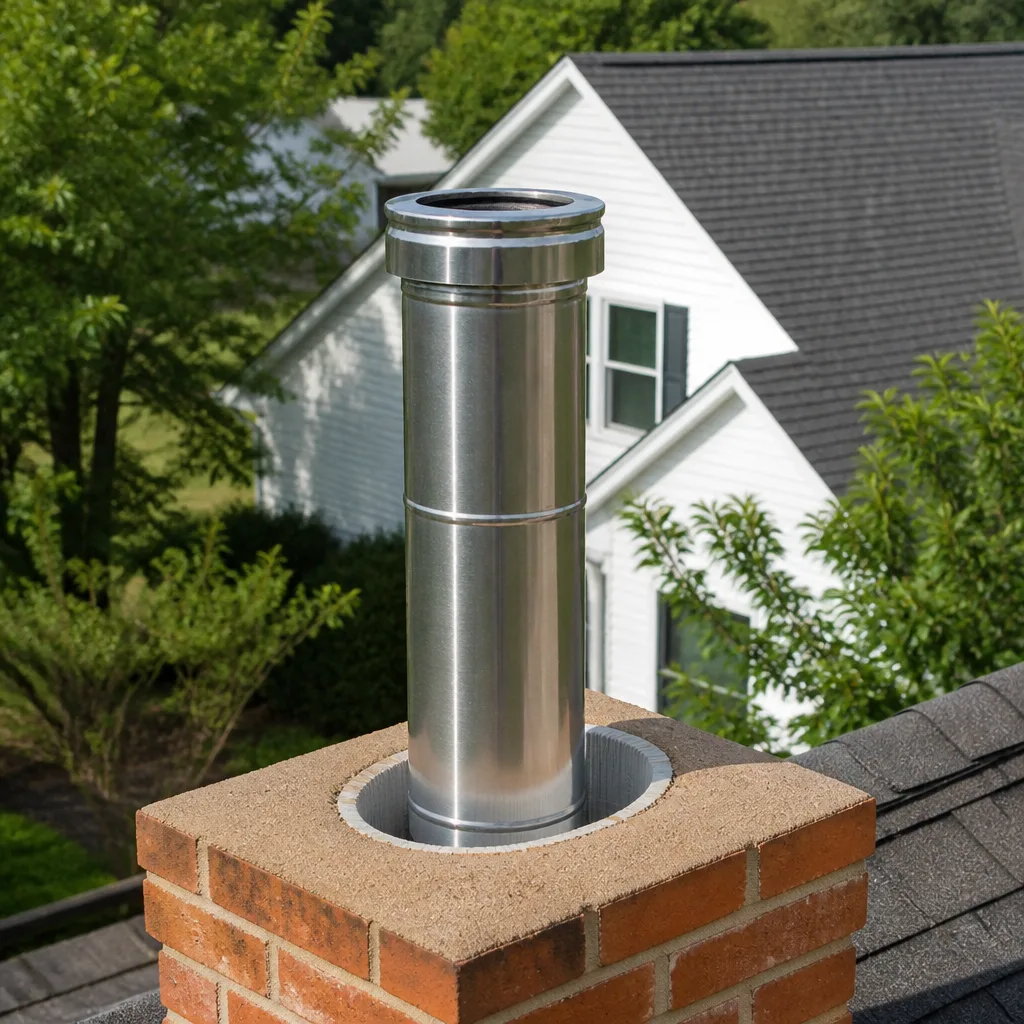
- Flue relining
- Masonry repair
- Gas fireplace service
Table of Contents
- Cleaning vs. Repair: Where the Permit Line Sits in Bayside
- The NYC Code Sections That Govern Chimney Work
- How DOB NOW Works for Chimney Filings
- Who Can Legally Pull a Chimney Permit in Queens
- Grandfather Status and Bayside’s Older Housing Stock
- Checking BIS Records Before You Buy or Sell
- What a Chimney Inspection Should Document
- Common Mistakes to Avoid
Cleaning vs. Repair: Where the Permit Line Sits in Bayside
A sweep cleaning a flue is maintenance. A contractor opening up a chimney chase, replacing a liner, rebuilding a crown, or resurfacing flue tiles is doing construction work, and construction work in New York City generally requires a permit. The line is not about how much time the job takes or how much it costs. It’s about whether the work changes the structure or the venting system itself.
Here’s how we draw the distinction for Bayside homeowners:
- No permit typically needed: routine sweeping, a Level 1 inspection, installing a chimney cap on an existing crown, and minor firebox cleaning.
- Permit typically required: liner replacement, flue relining or resurfacing, crown rebuild or replacement, masonry repair that affects structural integrity, chimney chase alterations, and any change to the flue’s size or type.
- Gray area that usually needs a permit: a cap replacement that involves cutting into the crown, a firebox rebuild that extends beyond cosmetic patching, and repairs that change how the chimney attaches to the house.
In Bayside, the gray area comes up more than you’d expect. The neighborhood has a large share of homes built between the 1920s and 1960s, many with original brick chimneys that have absorbed decades of heating-season condensation. A sweep going in for a routine cleaning often finds hairline cracks in flue tiles or a spalling crown. The repair that follows is a permit job. If your technician doesn’t flag that at the estimate stage, you should ask.
We keep the full scope in view on purpose. A cleaning that turns into a chimney repair requires the same person who found the problem to explain the code path clearly, because that’s what keeps the homeowner out of a title issue later.
The NYC Code Sections That Govern Chimney Work
Chimney work in Bayside is regulated by a small set of overlapping rules. Most homeowners never see them until a repair is underway, but knowing the names helps you ask the right questions.
The core sections to know:
- NYC Mechanical Code Section 803 covers chimney and vent sizing, construction, and termination requirements. This is the section that most often governs liner replacement and flue resizing. It sets the clearance and material standards the new work must meet.
- NYC Building Code Chapter 7 addresses combustion air, chimney construction, and fireblocking. When masonry or structural work is done, this chapter shapes what’s allowed.
- NYC Building Code Chapter 33 covers construction safety and work site requirements during the job. It matters most when scaffolding or roof access is involved on Bayside’s older homes.
- NYC Energy Code interacts with chimney work when a liner change affects venting or when a masonry heater is added. Less common in Bayside, but worth flagging if you’re converting a fireplace.
- NYC Fire Code Section 1403 addresses chimney and flue maintenance and cleaning obligations for building owners. This is the section that gives a licensed sweep their legal footing on a commercial or multi-family building.
The practical upshot: a liner replacement isn’t just “insert tube, seal, done.” The new liner has to meet Section 803 sizing and clearance requirements, and the filing has to show that it does. When we install a flexible liner from Olympia Chimney or DuraFlex, the manufacturer’s listing and installation instructions are the documentation that supports the code compliance filing. That paper trail is one of the reasons we stick to professional-grade brands rather than generic parts.
How DOB NOW Works for Chimney Filings
DOB NOW is the Department of Buildings’ online filing system, and it replaced the old paper-based process for most chimney-related permits years ago. Filings are submitted digitally, reviewed digitally, and the sign-off is digital too. That’s good news for homeowners, because it means the paper trail is searchable and hard to lose.
Here’s what a normal chimney permit filing looks like on the DOB NOW side:
- Classify the job. Work on a one- or two-family home is filed under the appropriate alteration category. Larger buildings have different categories, which affects review time.
- Submit the scope and plans. The filing identifies the scope, the materials, and the code sections the work will comply with. For a liner job, that means the liner type and its listing.
- Pay the filing fees. Fees are set by DOB and shown on the filing. A contractor should not be inventing a fee number for you.
- Get plan review and approval. Depending on the scope, review may be quick or may require comments back. Minor liners on single-family homes tend to move faster than structural crown rebuilds.
- Perform the work and request inspection. After installation, the contractor schedules an inspection so DOB can confirm the work matches the filing.
- Receive sign-off. The permit closes and the record stays in DOB NOW and BIS. This is the document that matters at resale.
When you hire a contractor for a Bayside chimney repair, ask them to provide the DOB NOW job number before work starts and the sign-off afterward. A contractor who can’t produce both is a contractor you should not be paying.
Who Can Legally Pull a Chimney Permit in Queens
This is where a lot of confusion sits, because the answer isn’t always what homeowners expect. A licensed master plumber or a licensed general contractor is generally the professional who pulls the permit for a chimney or venting repair. A chimney sweep, on their own, typically cannot pull a structural permit for a liner replacement or masonry rebuild.
That doesn’t mean the sweep isn’t doing the work. It means the sweep is either working under the umbrella of a licensed professional’s filing, or the job is being subcontracted out to one. In our case, the full job stays with the same team from diagnostic to install – we don’t hand the critical liner replacement off to a third-party subcontractor after the sweep. That continuity matters because the technician who diagnosed the problem is the one who has to defend the code path in the filing.
Here’s what to ask any contractor before a Bayside chimney job:
- Are you licensed to pull this permit, or is the permit being pulled by a licensed master plumber or general contractor you’re working with?
- What’s the DOB NOW job number?
- Which code sections are you filing under, and do you expect any variance or comment rounds?
- Will the inspection and sign-off be scheduled by you, or do I have to chase it?
- What documentation will I receive at the end: seal of the permit, sign-off screenshot, manufacturer’s listing?
We work with recognized product lines like Famco and Copperfield specifically because they generate the manufacturer documentation that supports the code filing. A homeowner who has the Permit, the manufacturer’s spec sheet, and the sign-off has a defensible repair record. That record is what an attorney will ask for at closing.
Grandfather Status and Bayside’s Older Housing Stock
Bayside is full of homes with chimneys that predate the current code cycle. “Grandfathered” is the word homeowners use to describe a chimney that was built before a code change and is allowed to remain as-is. The reality is narrower than the word suggests, and it’s where a lot of unpermitted work gets hidden.
What grandfather status generally does:
- It allows an existing chimney that complied with the code in force when it was built to remain in use, even if it wouldn’t pass today’s requirements if newly built.
- It does not allow the chimney to be repaired, altered, or extended in violation of current code.
- It does not survive a replacement. Once you replace a liner, a crown, or a significant portion of the flue, the new work must meet the code in effect when the permit is filed.
- It does not protect a chimney that has been allowed to deteriorate to an unsafe condition. The Fire Code still requires the chimney to be maintained.
Here’s where the Bayside problem lives. A pre-1960 chimney has a flue that was sized for the original heating appliance. Fast forward, and the appliance has been replaced two or three times, but the flue is original. A prior owner may have installed a liner without a permit and without verifying the sizing. At resale, the buyer’s inspector flags the liner, and the paperwork doesn’t exist. That’s the scenario where grandfather status quietly stops helping, because the liner wasn’t part of the original chimney – it was an alteration that should have been filed.
If you’re buying in Bayside and the seller assures you the liner “was done years ago, it’s grandfathered,” ask for the permit record. Grandfather doesn’t apply to alterations that were never filed. A cleaning and inspection before closing is worth the cost of the visit, and getting a chimney sweep before closing is standard practice for buyers who want to know what they’re inheriting.
Checking BIS Records Before You Buy or Sell
The Department of Buildings’ Building Information System (BIS) is public. Anyone can look up permit and violation history on a property by address. It’s one of the most underused tools for Bayside buyers and sellers, and it takes about ten minutes.
Here’s the process for checking a chimney’s DOB history:
- Go to the DOB’s BIS web tool. Search by address. The record shows permits, complaints, violations, and inspections associated with that property.
- Look for chimney-specific filings. Search the property’s permit list for entries referencing liner, flue, vent, or chimney. If the seller claims a liner was replaced, the permit should be there.
- Check for open violations. An open chimney-related violation can follow the property into the next owner’s hands. Violations have to be closed out, and closing one out often requires a filed repair.
- Check the certificate of occupancy. If the chimney or fireplace was part of the original CO and later alterations were made without an amended filing, that’s a red flag. Some Bayside homes have fireplace changes that were never documented.
- Cross-reference with the seller’s disclosure. If the seller disclosed a chimney repair, the BIS record should show a corresponding permit. If it doesn’t, ask for the paperwork or ask the price to reflect the cost of making it compliant.
- Screenshot the record. Save a date-stamped copy of the BIS record for your file. It’s your evidence of what the property’s DOB history looked like at the time you searched.
We recommend this check for anyone buying or selling in Bayside. It’s the difference between inheriting a documented repair and inheriting a title issue. And if you’re selling, a clean BIS record on the chimney is one less thing a buyer’s attorney can raise late in the process.
What a Chimney Inspection Should Document
The inspection is the linchpin of the whole permit conversation. A thorough inspection tells you whether the chimney is in a clean-and-cap condition (permit-free) or a repair condition (permit territory). A quick look from the roof usually isn’t enough, and a video camera is the only way to see the flue interior without tearing into the structure.
Here’s what a proper Level 2 inspection in Bayside should document:
- Flue interior condition. Video camera sweep of the flue from the firebox up to the crown, with stills of any cracked or spalled tiles.
- Liner condition and type. Whether the liner is clay tile, cast-in-place, or metal, and whether its current condition supports safe venting for the appliance connected to it.
- Crown and chase. Cracks in the crown, missing joints, efflorescence that suggests moisture intrusion, and the attachment of the flue to the chase.
- Firebox and damper. Masonry condition in the firebox, damper operation, and signs of prior repairs.
- Cap and rain protection. Whether the chimney is capped, whether the cap is properly vented, and whether the crown is shedding water or pooling it.
- Photo report. Every issue documented with a photo and a recommended action. If your inspector can’t give you photos, you’re not getting an inspection.
That photo report is what a contractor’s estimate should be built on. We include a camera inspection and photo report with every sweep precisely because it’s the difference between “your liner looks fine” and “here are the two tiles that need addressing before the heating season.” A clean flue is a safe flue, and you can only know you have one if you’ve seen it.
Common Mistakes to Avoid
- Assuming a cleaning covers the repair. A sweep is a maintenance visit. If a repair is needed, the permit path starts there, and it should be discussed before the work is scheduled, not after.
- Paying for a liner job with no permit number. In Bayside, this shows up at resale. Ask for the DOB NOW job number before the crew arrives, and verify the sign-off when the job closes.
- Expecting a sweep to pull your liner permit. A sweep generally cannot file a structural permit on their own. The filing comes from a licensed master plumber or general contractor the sweep is working under.
- Trusting “grandfathered” without documentation. Grandfather status applies to an original chimney, not to alterations made afterward. A liner installed without a permit doesn’t get grandfathered by age.
- Skipping the BIS check before closing. Bayside buyers who don’t search the DOB record can inherit an open violation they had no way to anticipate.
- Letting the crown go because it “looks fine” from the ground. Crown cracks let water into the flue and drive the very spalling that turns a free estimate into a liner replacement. It’s cheaper to repair the crown early.
- Hiring a contractor who won’t show the photo report. Without photos, you can’t verify whether the recommended work is necessary, and you can’t tell the difference between a needed repair and an upsell.
See the difference
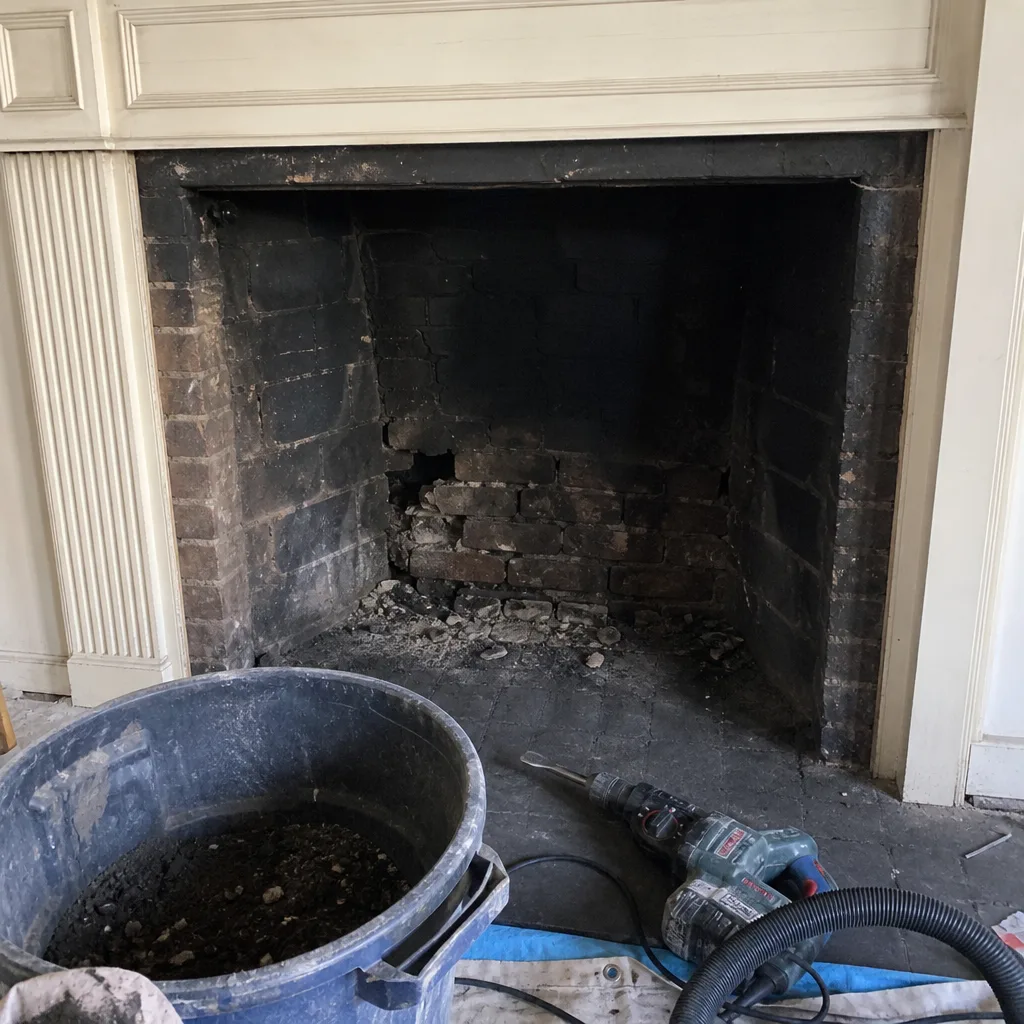 Before
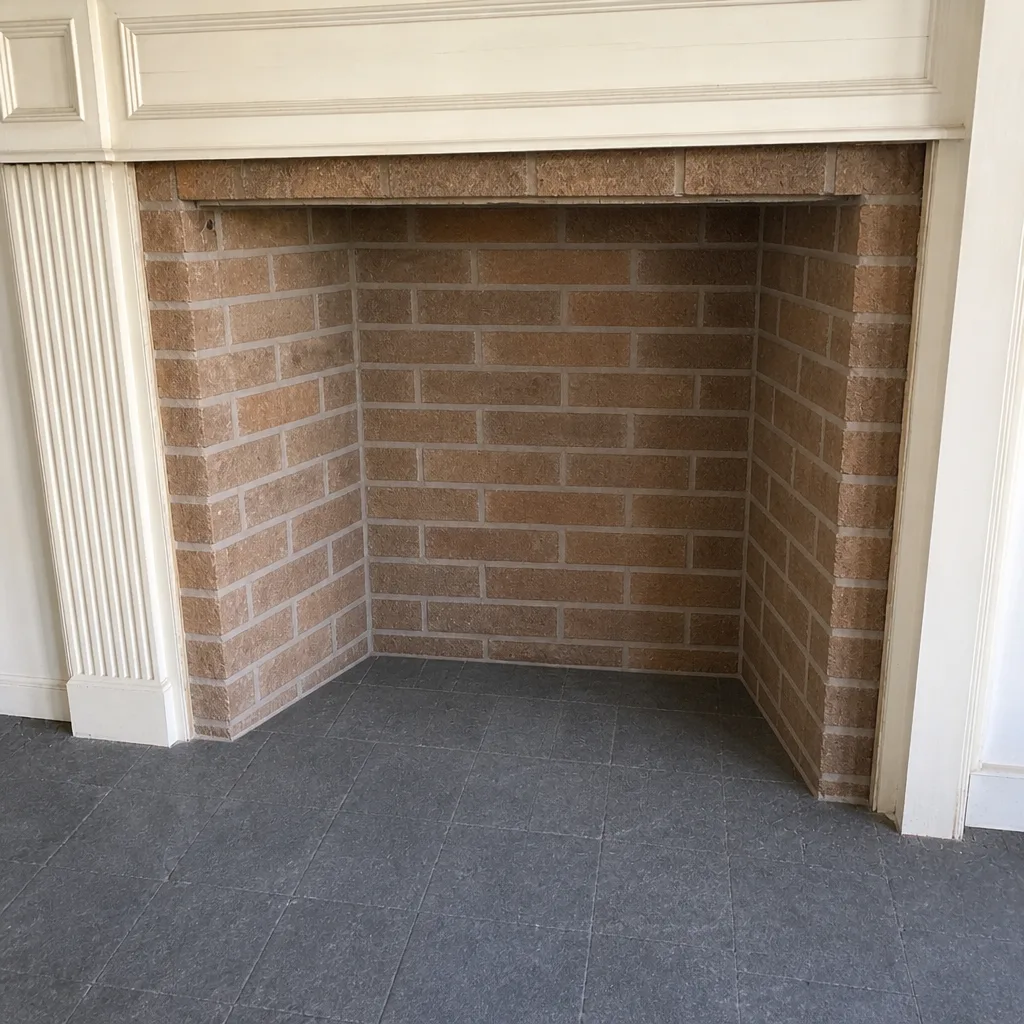 After
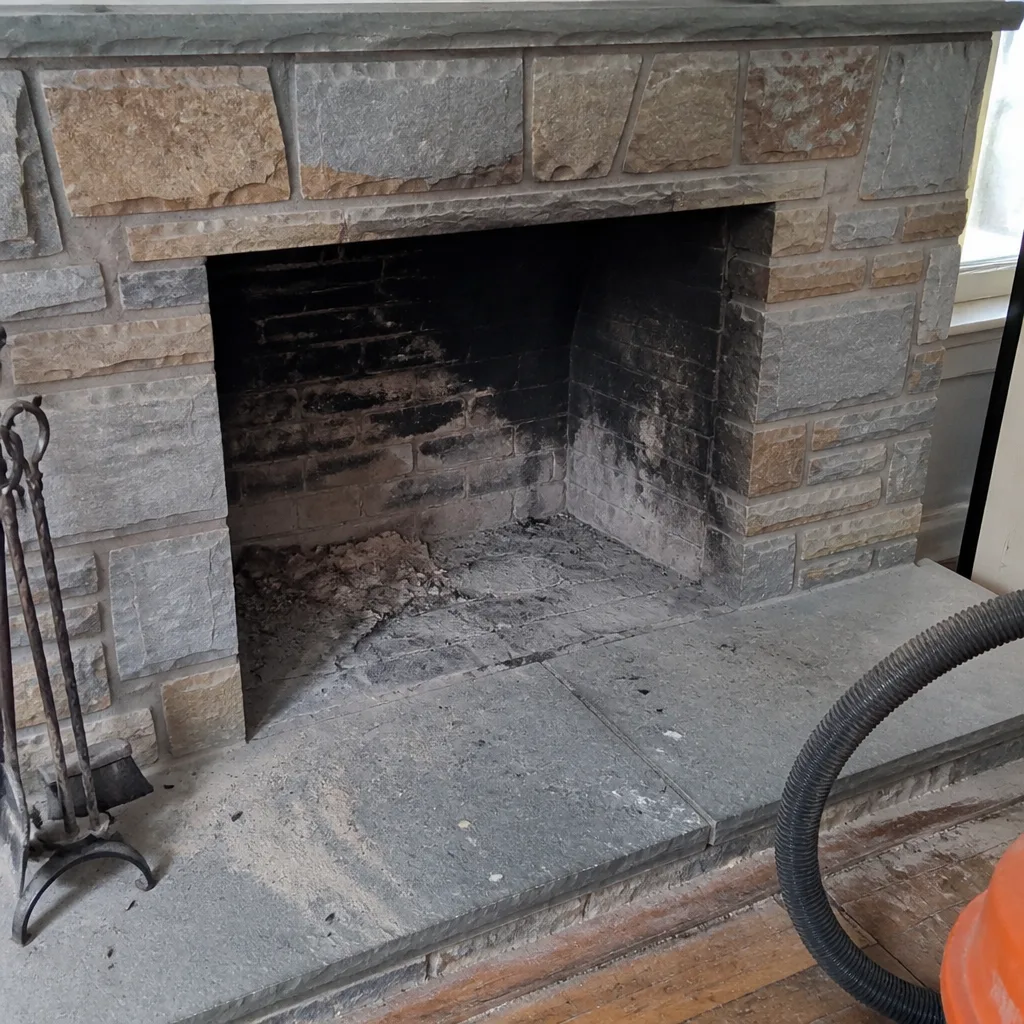 Before
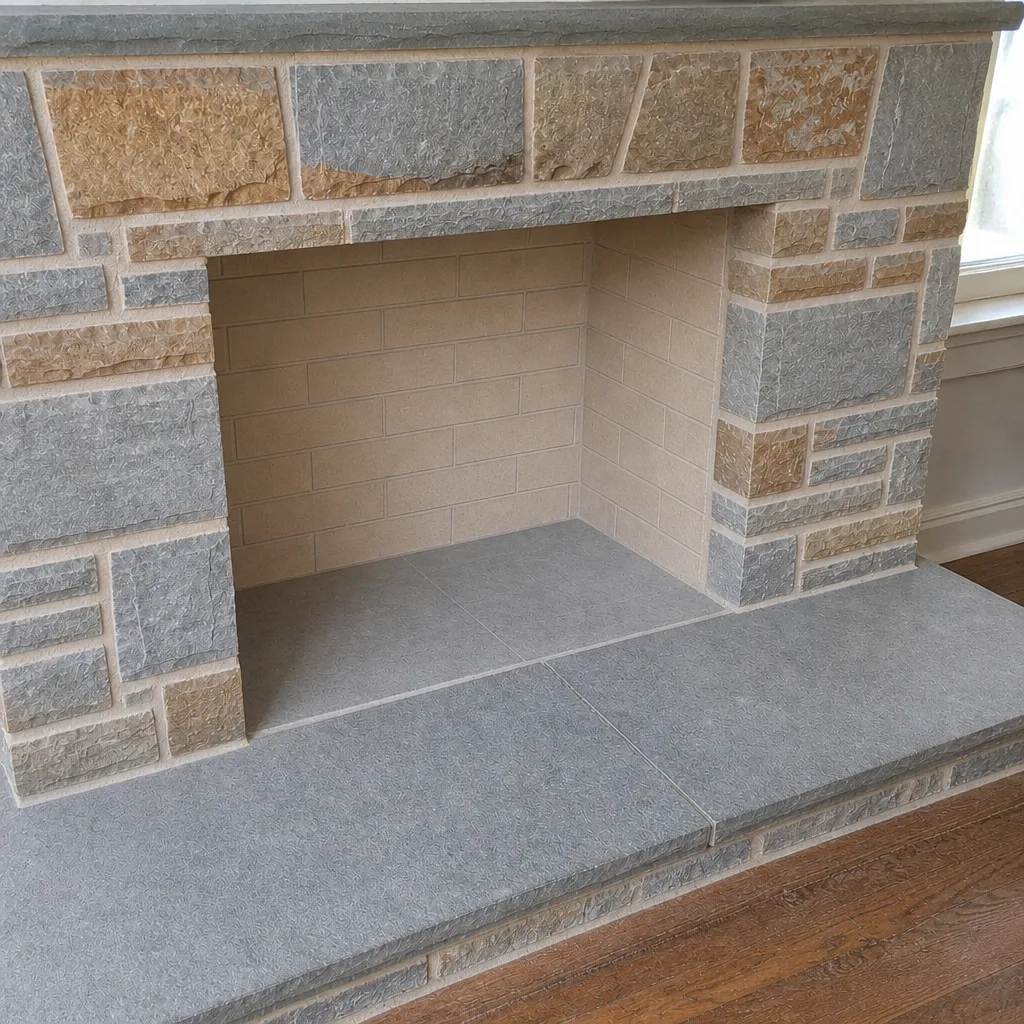 After
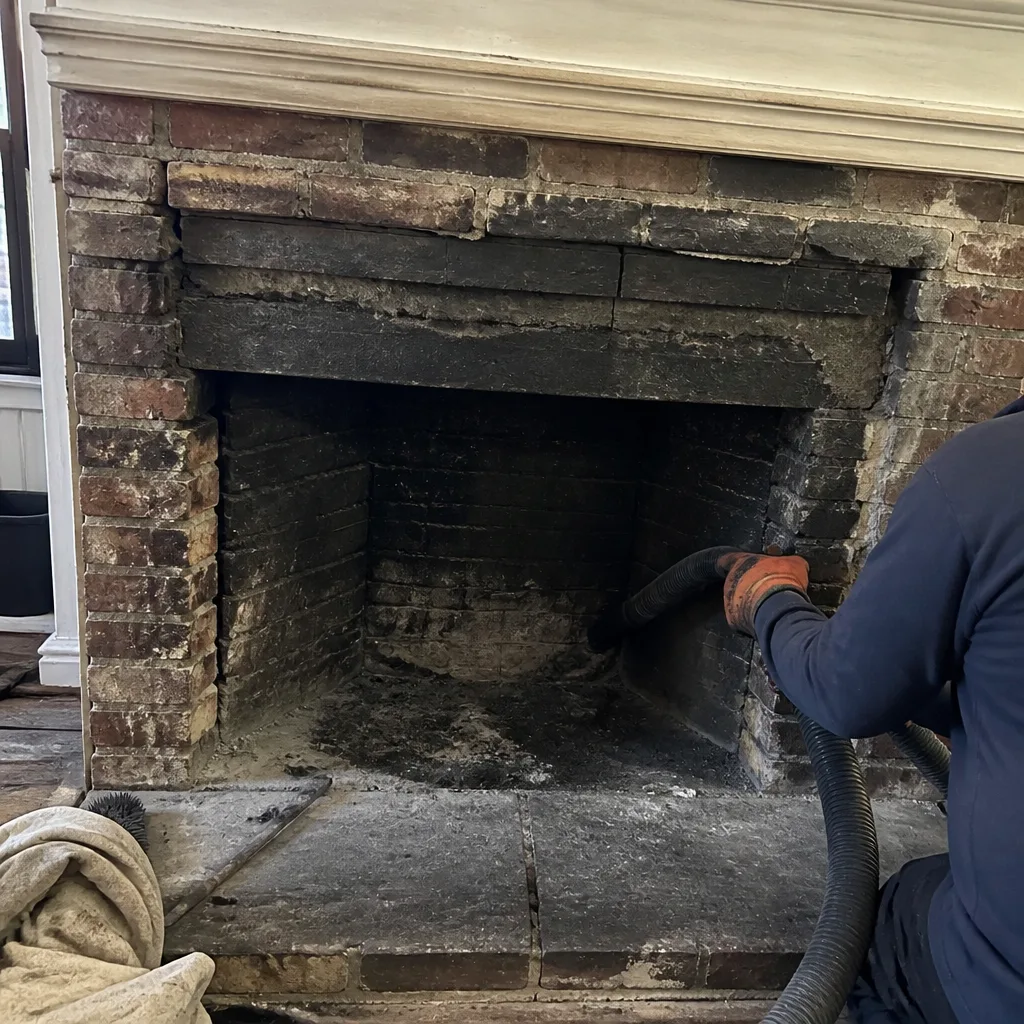 Before
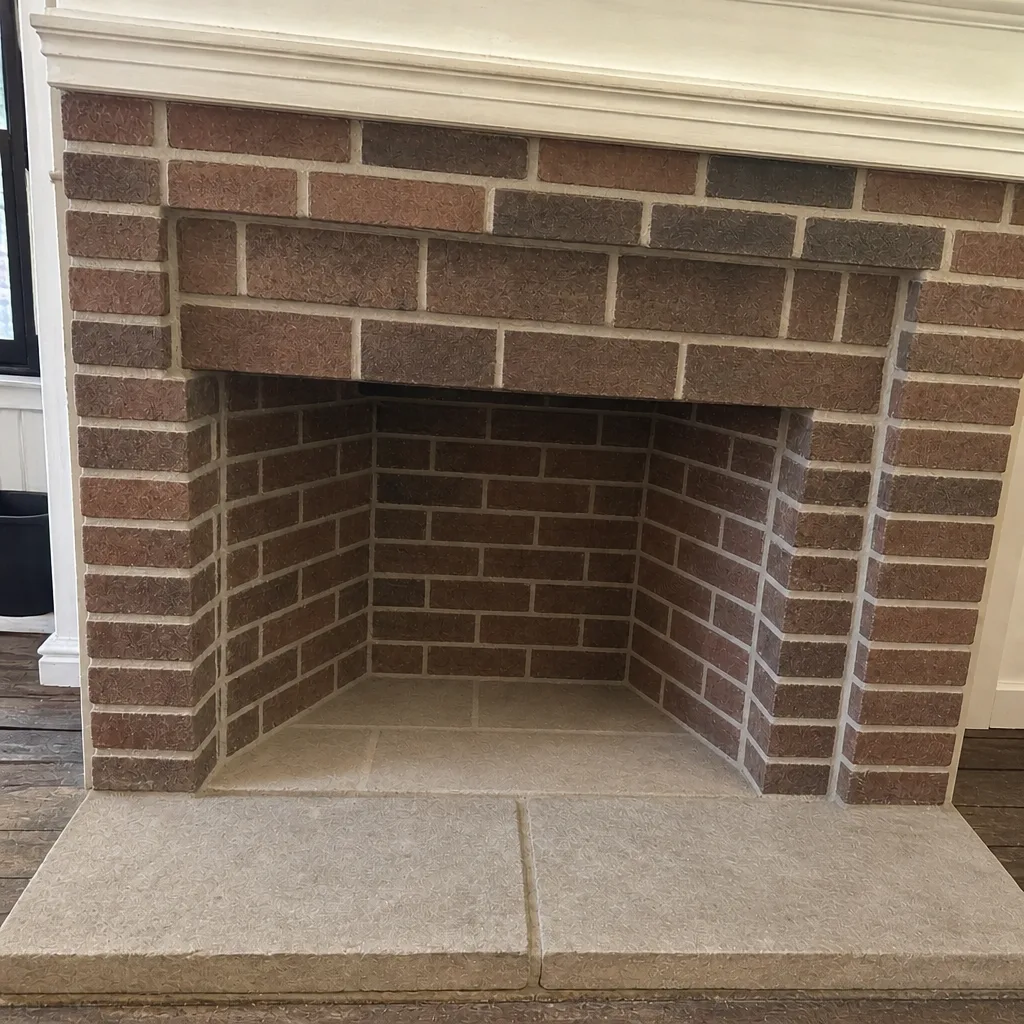 After
When to Call a Professional
Call a chimney professional when:
- A roof-level check shows cracked or missing masonry, a torn cap, or a crown with visible cracks.
- You’ve moved into a Bayside home and don’t know when the chimney was last cleaned or inspected.
- You’re buying or selling and need the DOB record and the physical condition aligned before closing.
- The fireplace has a strong smell outside of the burn season, or smoke is pulling back into the room when the fireplace is lit.
- You hear a metallic rattle or a rusting sound from the flue when the fire is lit.
- You’re changing heating appliances and need to confirm the existing flue still meets code for the new unit.
Chimney Sweep Bayside offers free estimates in Bayside – call (833) 482-5742. We answer 24/7. Fast dispatch from 7am to 7pm, Sunday through Friday. Every estimate includes a camera inspection and photo report, and nothing we recommend is unsupported by what the camera shows you.
Frequently Asked Questions
No. A routine chimney cleaning is maintenance and does not require a NYC Department of Buildings permit. The permit question only comes up when the sweep finds a condition that requires structural repair, liner replacement, flue resurfacing, or crown work. Call (833) 482-5742 for a free estimate that includes the inspection that determines which side of the line you’re on.
In most cases, yes. A liner replacement is an alteration to the venting system, and it typically requires a permit filed through DOB NOW and compliance with NYC Mechanical Code Section 803. The filing is generally handled by a licensed master plumber or licensed general contractor. A sweep who can’t produce a job number for a liner job is a red flag. Call (833) 482-5742 and we’ll walk through the filing path for your Bayside home.
Generally a licensed master plumber or a licensed general contractor. A sweep on their own is usually not authorized to pull a structural permit for a liner or masonry job. What you want is a team that either holds the license or works directly under someone who does, so the paperwork and the work stay with the same crew. Call (833) 482-5742 and we’ll tell you exactly who is filing for your job.
It protects an original chimney that complied with the code in force when it was built, allowing it to remain in use. It does not protect later alterations, and it does not survive a replacement. A liner installed without a permit doesn’t get grandfathered by age. If you’ve been told the liner is “grandfathered,” ask for the permit record through BIS. Call (833) 482-5742 if you want a second set of eyes on the record before you close.
Yes, through the DOB’s BIS web tool, which is public and searchable by address. You can see permits, violations, and inspections tied to the property. Search for liner, flue, or chimney entries and confirm the seller’s disclosure matches. If there’s a gap, ask for it to be resolved before closing. Call (833) 482-5742 if you want help interpreting what the record shows for your property.
This is the most common unpermitted-work scenario we see in Bayside’s older housing stock. The fix is to have the current condition inspected and documented, then file the permit to legalize the work if the repair is still within code. Sometimes the work can be documented as-is; sometimes a correction is required. Either way, a camera inspection and photo report is where it starts. Call (833) 482-5742 for a free estimate.
Estimates are free. The work itself is priced per job by a written estimate, and the written estimate sets the final price. That means the estimate has to reflect the actual scope, including any permit requirements that come up in the inspection. Call (833) 482-5742 to schedule a free estimate – the camera inspection and photo report are included.
The Bottom Line
Chimney cleaning in Bayside doesn’t need a permit, but the repair that follows a bad inspection almost always does. NYC Mechanical Code Section 803, the Building Code chapters that govern chimney construction, and the DOB NOW filing system form the framework the work has to fit inside. Grandfather status protects original chimneys, not the alterations made later without paperwork. The step that protects you is a camera inspection with a photo report, followed by a permit filing through a licensed master plumber or general contractor, closed out with a DOB sign-off. That record is the one that shows up at closing, and it’s the one worth having. Whether you need routine service, a chimney cap & crown inspection, or a documented repair, Chimney Sweep Bayside is ready to help. From the firebox to the chimney cap, one team handles the sweep, the inspection, and the repair, with professional-grade materials from lines like DuraFlex and Copperfield behind the work. Call (833) 482-5742. We answer 24/7. Fast dispatch from 7am to 7pm, Sunday through Friday.
Written by the team at Chimney Sweep Bayside. Learn more at Chimney Sweep Bayside.