
Last updated November 25, 2026
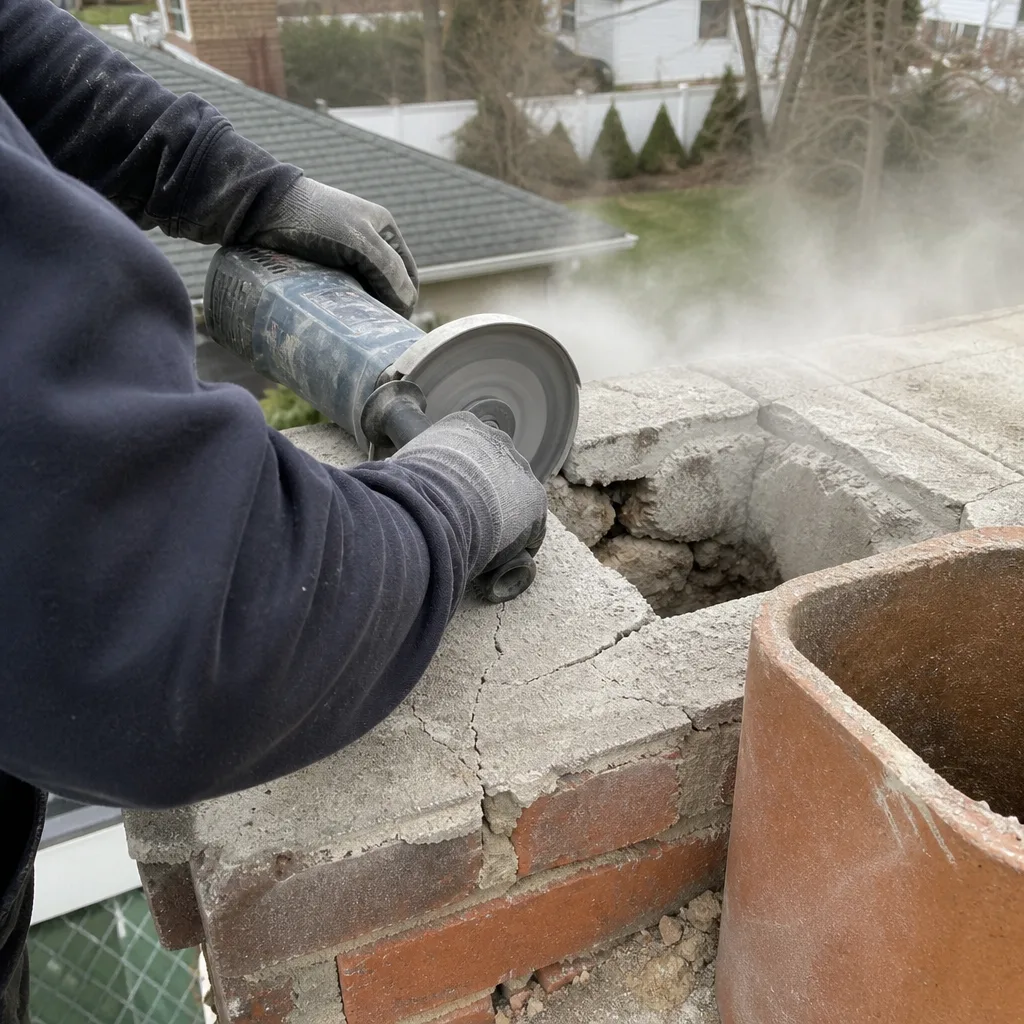
 Sweep & inspection
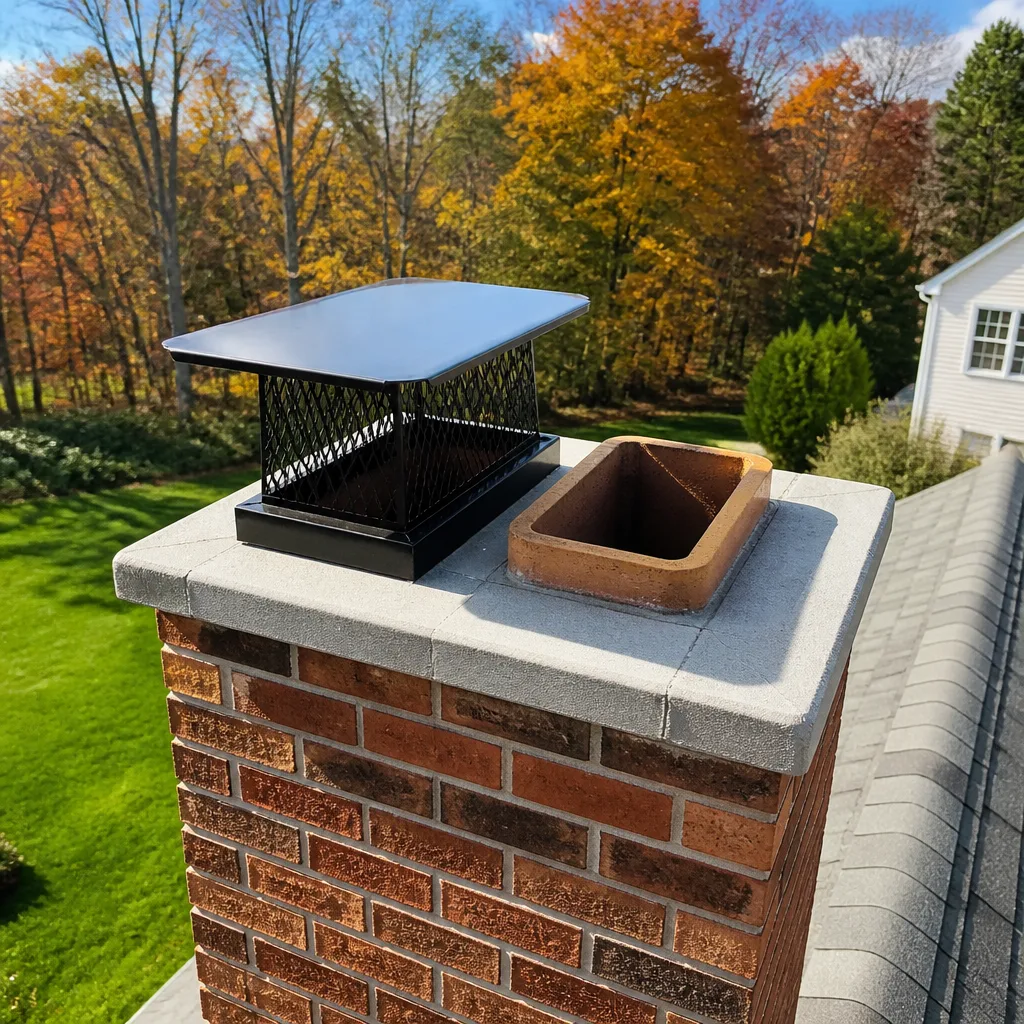
 Caps & crowns
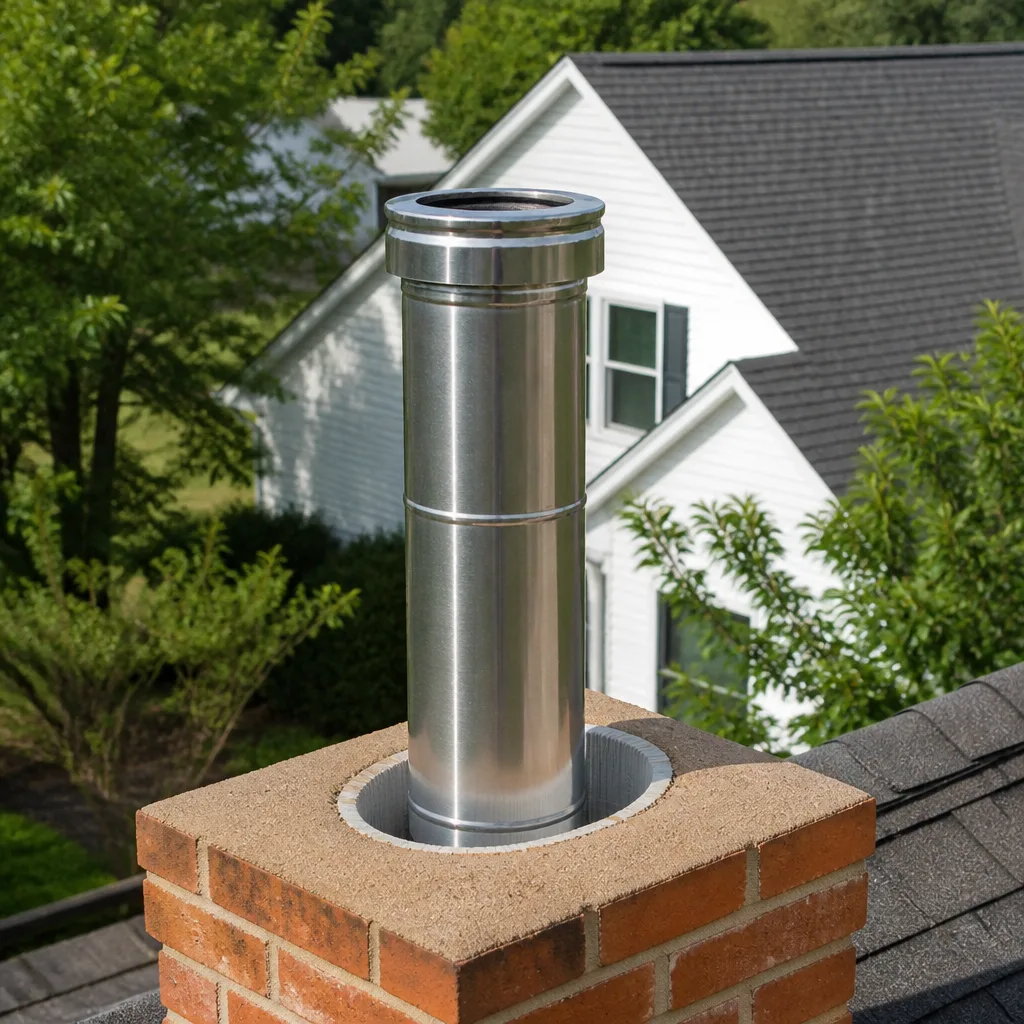 Flue relining
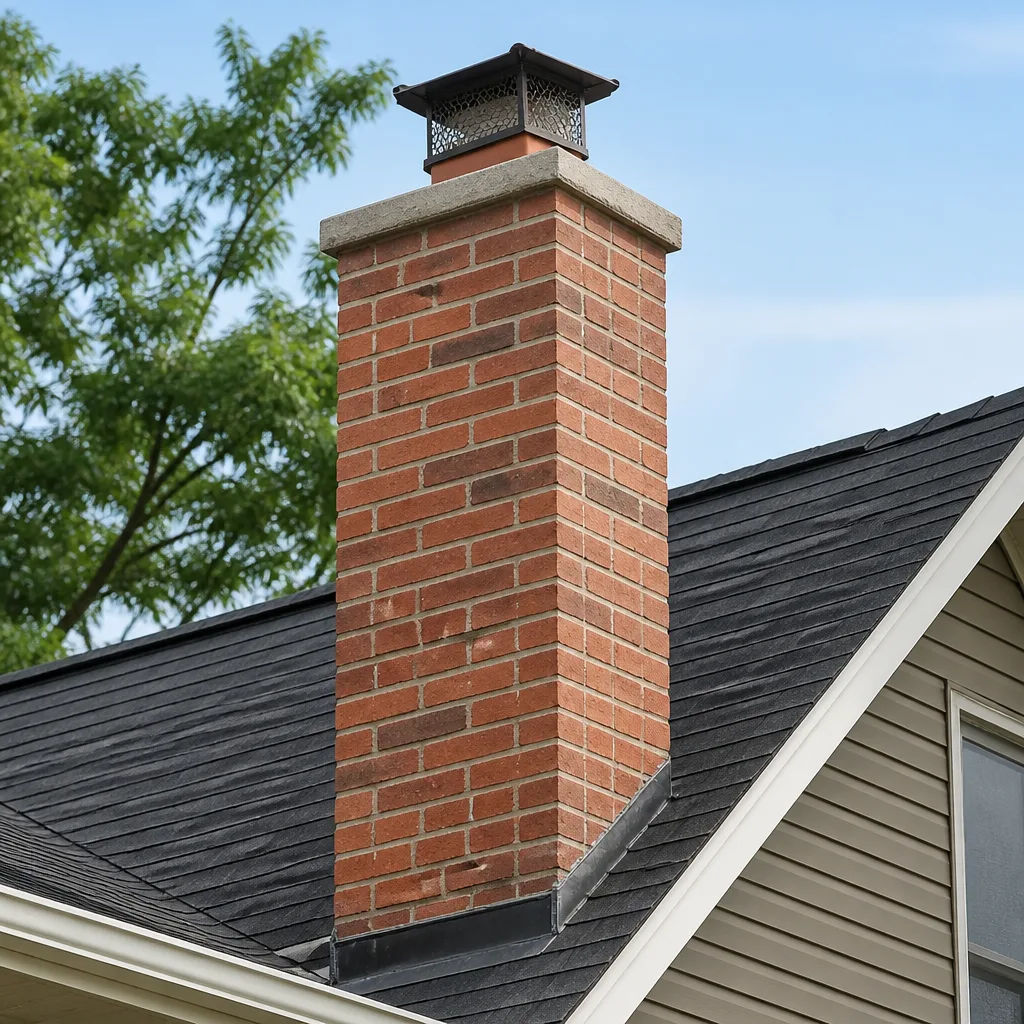 Masonry repair
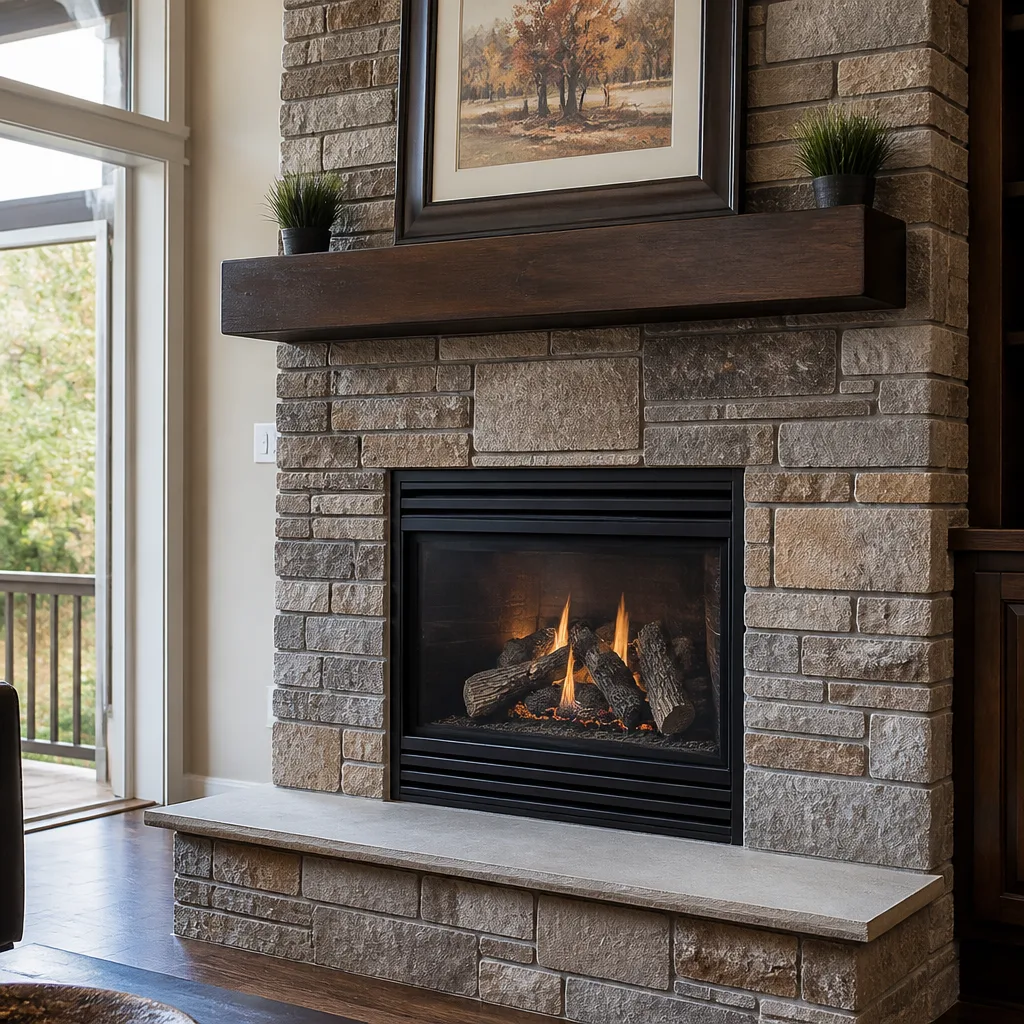 Gas fireplace service
Level 1 sweep and inspection to the NFPA 211 annual standard - flue, crown, cap, and flashing checked and photographed
Chimney sweep logs do not sweep chimneys. They loosen some creosote - which then falls where a brush and vacuum still have to collect it.
Choosing the Right Chimney Cleaning Brand: A Buyer’s Guide for Bayside
Most homeowners assume the sweep’s job is cleaning, and that the products used are an afterthought. The opposite is true once repair enters the picture. When a chimney sweep replaces a cap or patches a crown with generic hardware-store compound, they’re often using a product with a 2 – 3 year lifespan in a freeze-thaw climate, compared to 10+ years for a cast crown or a properly rated sealant. The labor cost is identical. The material cost difference is usually under $40. This guide is written for Bayside homeowners who want to read a materials list the way they’d read a contractor’s bid, and know what the names mean before work begins.
Quick Answer
The right chimney cleaning brand depends on what the product is doing. For routine sweeping, brand matters less than technique and camera evidence. For repairs, brand matters enormously: industry-name products like HeatShield for flue resurfacing and Gelco or Olympia Chimney for caps and liners carry traceable specs and warrantied lifespans, while generic patching compounds fail faster in Bayside’s freeze-thaw and moisture exposure. Ask for the product name in writing before you approve any repair.
Styles & brands we work with
- Sweep & inspection
- Caps & crowns
- Flue relining
- Masonry repair
- Gas fireplace service
Table of Contents
- Why the Brand of Product Matters More Than the Brand of Sweep
- The Four Product Categories Where Brand Choice Has Measurable Impact
- How to Read a Chimney Contractor’s Invoice for Material Clues
- Why Bayside’s Freeze-Thaw Cycles Stress Generic Products Faster
- Painted Galvanized vs. Stainless Multiflue Caps: What You’re Actually Buying
- How to Ask About Materials Without Sounding Adversarial
- Why Full-Service Chimney Companies Use Different Products Than Sweeps
- What “Industry-Name” Actually Means in This Trade
Why the Brand of Product Matters More Than the Brand of Sweep
A chimney sweeping company’s name tells you almost nothing about what happens inside your flue. What matters is the product. A sweep can have a great reputation and still patch a cracked crown with whatever compound is in the van, because most homeowners never ask. That’s the gap this guide closes.
Here’s the principle to hold onto: cleaning is technique, repair is chemistry. A brush and vacuum either remove creosote or they don’t, and you can verify the result with a camera. A crown coating, a flue sealant, or a smoke chamber resurfacer is a formulated product with a specified lifespan, application temperature, and cure time. Generic substitutes often share the same category name with none of the same engineering behind them.
In our experience, the most expensive chimney problem isn’t the sweep you overpaid for. It’s the cheap repair you paid twice for, because the first contractor used a product rated for a milder climate than Bayside’s.
What this means for you: when a contractor quotes a repair, ask for the product name in writing. That single question filters out most of the shortcuts before they happen. It’s the same instinct behind our Chimney Sweep Bayside approach: diagnose first, then specify materials by name.
The Four Product Categories Where Brand Choice Has Measurable Impact
Not every product category is worth the scrutiny. Brushes, vacuums, and drop cloths are largely interchangeable. Four categories are not: crown coatings, flue sealants, smoke chamber resurfacers, and chimney caps. These are the products where a $40 material upgrade changes how long the repair lasts.
1. Crown Coatings and Cast Crowns
The crown is the concrete cap that slopes water away from the top of the chimney. A properly formed cast crown outlasts a painted-on coating by years, and a rated elastomeric crown coating outlasts a generic mortar patch by a wide margin. In a freeze-thaw climate, water seeps into hairline cracks, freezes, expands, and widens them. Each cycle makes the next crack worse. A coating that flexes survives; a rigid generic patch cracks and lets more water in.
2. Flue Sealants and Resurfacers
When the clay tile liner has deteriorated but hasn’t failed completely, ceramic resurfacing products like HeatShield can restore the flue surface without full replacement. This is a specialty capability, not something every sweep offers. Gelco and Olympia Chimney products show up in liner and cap applications for the same reason: they carry documented specs and warranties that generic pieces don’t.
3. Smoke Chamber Resurfacers
The smoke chamber is the sloped area above the damper. It’s where creosote collects and where heat radiates during a fire. A rated refractory coating parges the rough surface and creates a smooth, heat-tolerant barrier. Generic parging mixes are not built for sustained flame exposure, and the difference shows up after a couple of heating seasons.
4. Chimney Caps
We cover this in depth further down. Short version: stainless steel multiflue caps outlast painted galvanized caps by a substantial margin, and the price difference in the Bayside market is smaller than most homeowners expect.
How to Read a Chimney Contractor’s Invoice for Material Clues
A contractor’s invoice is a diagnostic document if you know what to look for. Generic patching compound shows up as “chimney patch” or “masonry repair.” Industry-name products show up by name, because the contractor who uses them has no reason to hide them. Here’s how to scan an estimate in under two minutes.
- Look for named products. If the quote says “flue resurfacing,” ask which product. If it says “HeatShield ceramic resurfacing,” the contractor has specified the material and is accountable for it.
- Check material allowances. A line item that says “crown coating – $40 allowance” means the contractor will buy whatever fits the budget. A line item that names the product means the price is fixed by the material, not by the allowance.
- Look for a stated lifespan or warranty. Products with an engineering spec usually carry a manufacturer warranty. If the quote offers no lifespan at all, that’s a signal.
- Ask whether the labor line and material line are separate. If they’re combined, you can’t see which product you’re paying for. Separating them makes the comparison honest.
- Check for scope language. A quote that recommends repair should reference the camera evidence behind it. Photos and a written condition report are standard on a qualified inspection.
A free written estimate should include all of this. If yours doesn’t, ask for it before you book. That request alone tells you a lot about the contractor.
Why Bayside’s Freeze-Thaw Cycles Stress Generic Products Faster
Bayside sits in a climate where water gets into masonry, freezes overnight, thaws in the morning sun, and freezes again the next night. That cycle repeats dozens of times every winter. It’s the single most punishing condition for patched masonry, and it’s why a repair that holds for years inland can fail in two or three heating seasons here.
The mechanics are simple. Water expands when it freezes. A hairline crack in a crown coating fills with meltwater during the day, then expands overnight and widens slightly. The next morning’s thaw lets more water in. By March, a crack that started as a cosmetic line has become a pathway into the masonry beneath.
Elastomeric coatings and rated sealants are built to flex through that cycle. Generic mortar patches are rigid, and rigidity is exactly the wrong property in a freeze-thaw climate. This is the specific reason we reach for named products rather than generic substitutes, and it’s why we ask homeowners to look at the material spec on the invoice rather than assume it’s fine.
The same logic applies to liners and caps. A cap that rusts through in a few winters lets water straight into the flue, and a flue that stays damp deteriorates faster than a dry one. Water protection and material choice are the same conversation.
Painted Galvanized vs. Stainless Multiflue Caps: What You’re Actually Buying
A painted galvanized cap is the common low-cost option, and it’s the option you’ll see on many homes in Bayside. It’s a single-wall steel cap with a paint coating, and its lifespan is measured in years, not decades. A stainless steel multiflue cap is a different product in a different class: corrosion-resistant steel, a heavier gauge, and a design that covers multiple flues at once.
- Painted galvanized cap: Lower upfront cost. Paint coating breaks down over time, exposing bare steel to moisture. Rust-through is common within a handful of winters in a damp, freeze-thaw climate. Often sized for one flue.
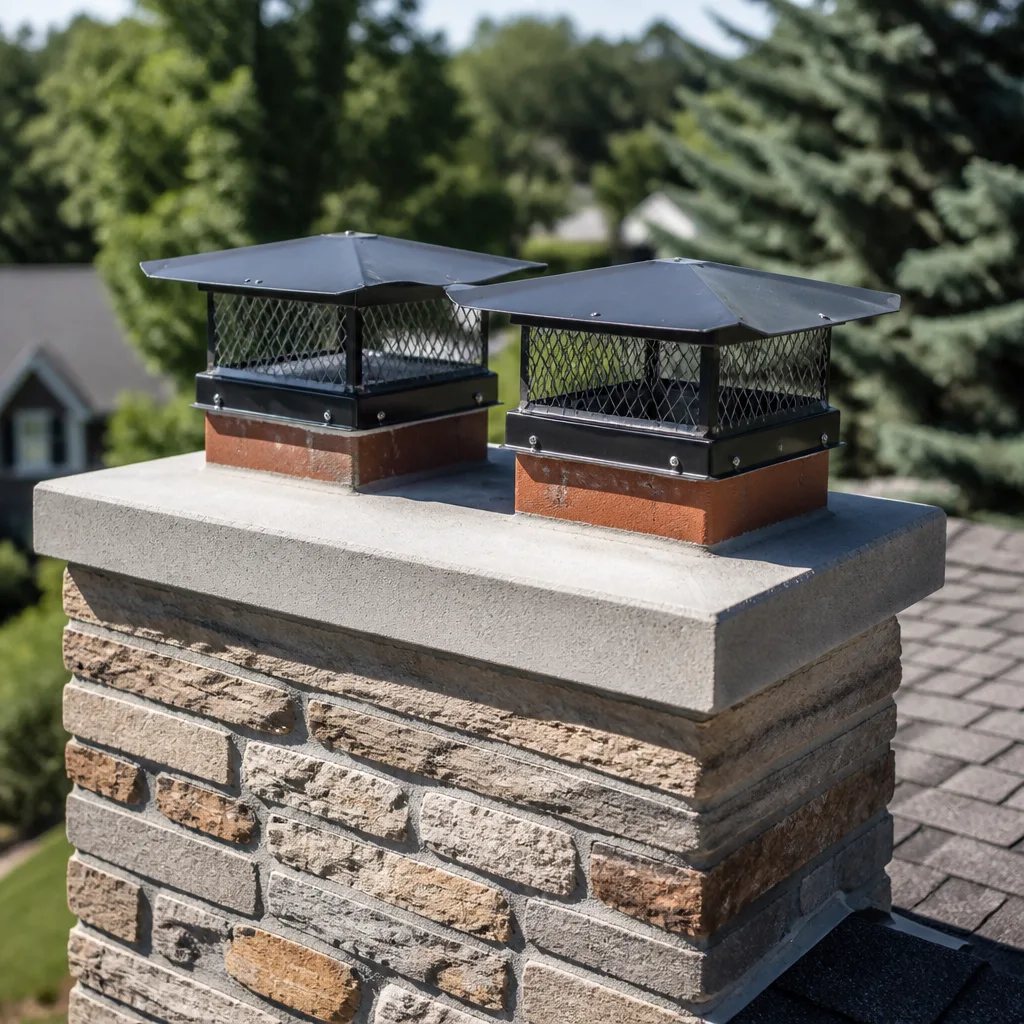
- Stainless steel multiflue cap: Higher upfront cost. Corrosion resistance is inherent in the material, not a coating. Multi-flue coverage means one cap protects the whole chimney top, and the heavier gauge resists wind and impact. Longer service life with far less maintenance.
- The Bayside price gap: In this market, the difference between a painted galvanized cap and a stainless multiflue cap typically falls in the low hundreds of dollars installed. For a component that protects the entire flue, that gap is small relative to the cost of repairing a water-damaged chimney.
Our chimney cap & crown work is built around this comparison. We’ll show you what’s on your chimney now, what the upgrade costs, and how long each option should last in this climate. If the existing cap has years left, we’ll say so.
How to Ask About Materials Without Sounding Adversarial
The good contractors expect these questions, and they welcome them. The ones who get defensive are telling you something. Here’s a list you can read straight from your phone, framed as curiosity rather than challenge.
- “What product would you use for this repair, and what’s its rated lifespan?” – asks for a name and a number, no confrontation required.
- “Can you show me the camera footage of the problem before we decide on a fix?” – separates diagnosis from sales pitch.
- “Would you separate labor and materials on the estimate so I can see the product cost?” – a standard professional request.
- “Is there a manufacturer warranty on the product, and do I get it in writing?” – the contractor who uses traceable products will have an answer.
- “What happens if the repair fails within the manufacturer’s window?” – surfaces warranty terms before work begins.
- “Could this wait a season without getting worse?” – the honest answer is the most useful thing a contractor can tell you.
None of these questions insult the contractor. They signal that you’re a careful homeowner who’ll approve a fair quote and reject a shortcut. The right contractor prefers that customer. You can find more on our approach in the chimney sweep service overview.
Why Full-Service Chimney Companies Use Different Products Than Sweeps
A company that only cleans has no use for a crown coating spec or a liner brand. A company that also repairs and resurfaces carries those products because the diagnosis and the fix happen in the same visit. That changes what ends up on your invoice, and it changes who’s responsible when something goes wrong.
Full-spectrum service means one crew diagnoses the problem, specifies the material, and installs it. There’s no handoff to a subcontractor who shows up with a different product than the one quoted. When the same technicians who found the crack in the flue return to line it with DuraFlex flexible liner system, the material and the diagnosis stay connected.
Consider what happens when a sweep finds a deteriorated flue but only cleans. They refer you to a liner contractor. That contractor quotes a liner, and the material may or may not match what the sweep recommended. The homeowner is left comparing two quotes with no way to know which product is better. That gap is the specific reason HeatShield ceramic flue resurfacing capability matters: the technician who inspects is the technician who can rehabilitate the flue. You can read more on our chimney repair page.
In our experience, homeowners who deal with one point of contact for the firebox, smoke chamber, flue, crown, and cap end up with a system that fits together, because one company specified all of it.
What “Industry-Name” Actually Means in This Trade
An industry-name product is one you can look up. It has a manufacturer, a spec sheet, a stated application method, and a warranty. A generic patching compound sold in a bucket has none of that traceability, even if it works fine in a mild climate for a few years. The distinction matters most where the product has to survive Bayside’s winters.
The names you’ll see on a professional chimney invoice include HeatShield for ceramic flue resurfacing, Gelco and Olympia Chimney for caps and liners, and Famco for cap and flue components. Each of these carries a manufacturer’s spec sheet. When a contractor uses one, the homeowner can verify the lifespan, the application temperature range, and the warranty. When a contractor uses a generic substitute, the homeowner has only the contractor’s word.
This isn’t about brand loyalty. It’s about accountability. A named product on an invoice is a claim you can check. A generic patch is a claim you can’t. Ask which one you’re paying for, and you’ve done the most important thing a homeowner can do on this topic.
Common Mistakes to Avoid
- Approving a repair without asking for the product name. If the contractor can’t name the product, you can’t verify its lifespan. Ask before you sign.
- Accepting a painted galvanized cap on a masonry chimney in a freeze-thaw climate. The upfront savings are real, but so is the rust-through timeline. Compare the full replacement cost before deciding.
- Treating “chimney patch” as a defined service. It isn’t. The same phrase covers a rated elastomeric coating and a bucket of mortar, and the two have very different lifespans.
- Hiring a sweep who only cleans when the inspection shows actual repair needs. A referral to a second contractor adds a handoff and obscures who specified the repair material.
- Skipping the camera inspection to save time. Without camera evidence, no recommendation – yours or theirs – is grounded in anything you can see. Ask for the footage.
- Assuming a repair that holds a year is a permanent fix. In Bayside’s climate, the second and third winters are the real test. A repair that fails by the third season was likely a generic product.
- Ignoring crown hairline cracks because they look cosmetic. Those cracks are the entry point for the freeze-thaw cycle. Catch them while they’re still cosmetic.
See the difference
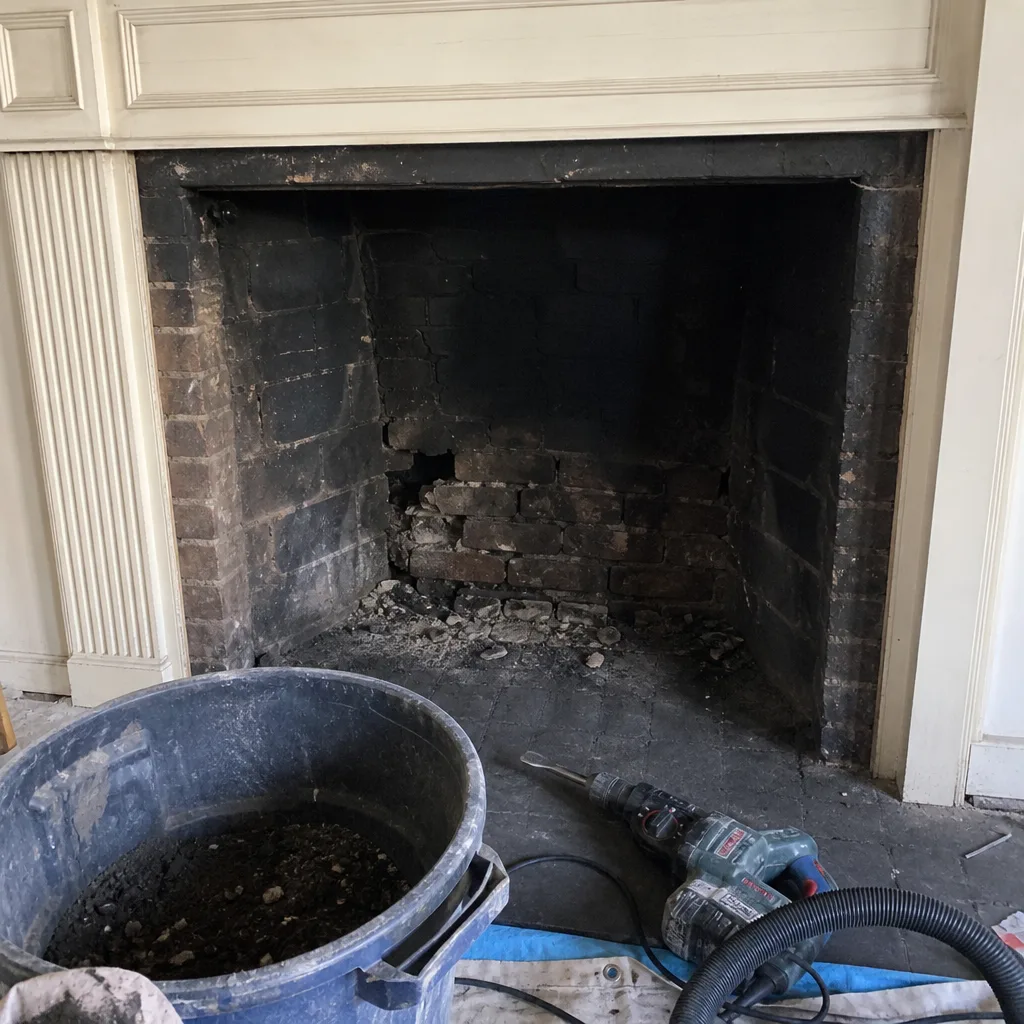 Before
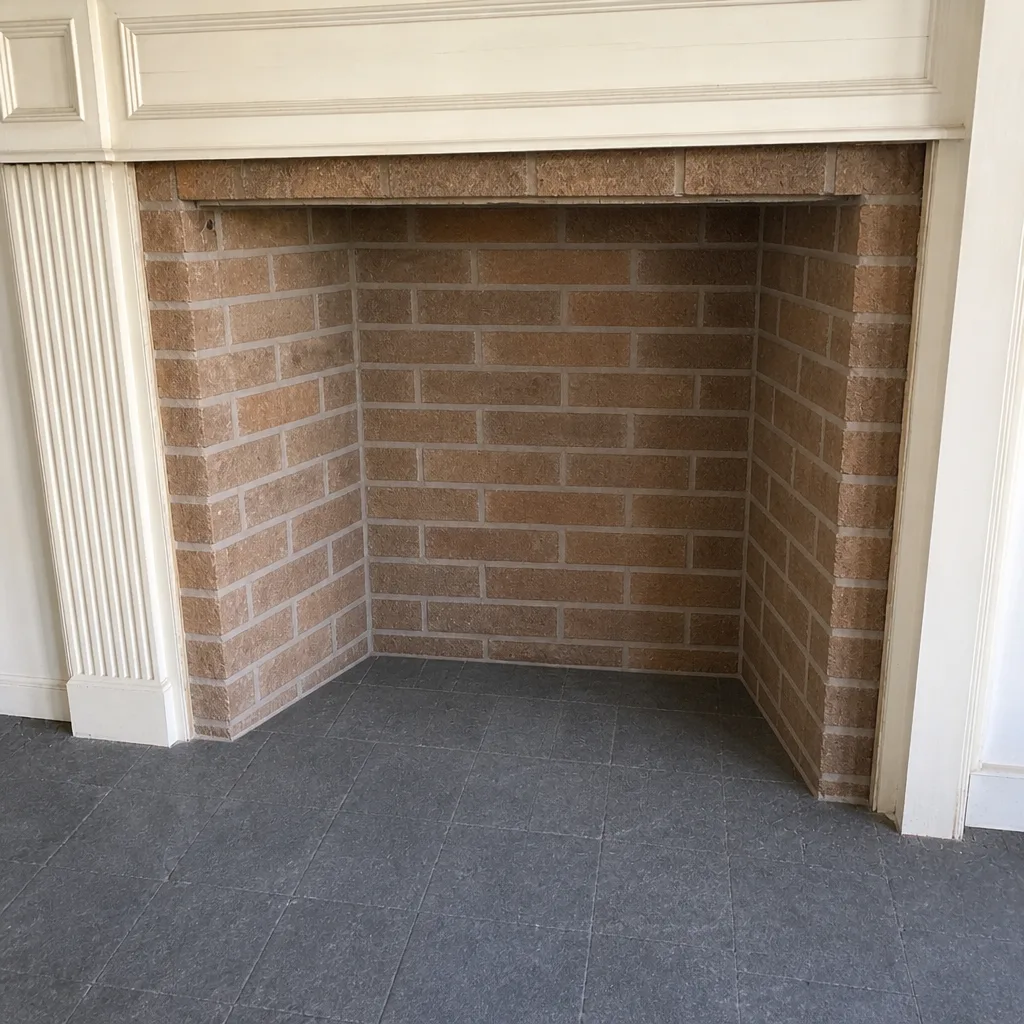 After
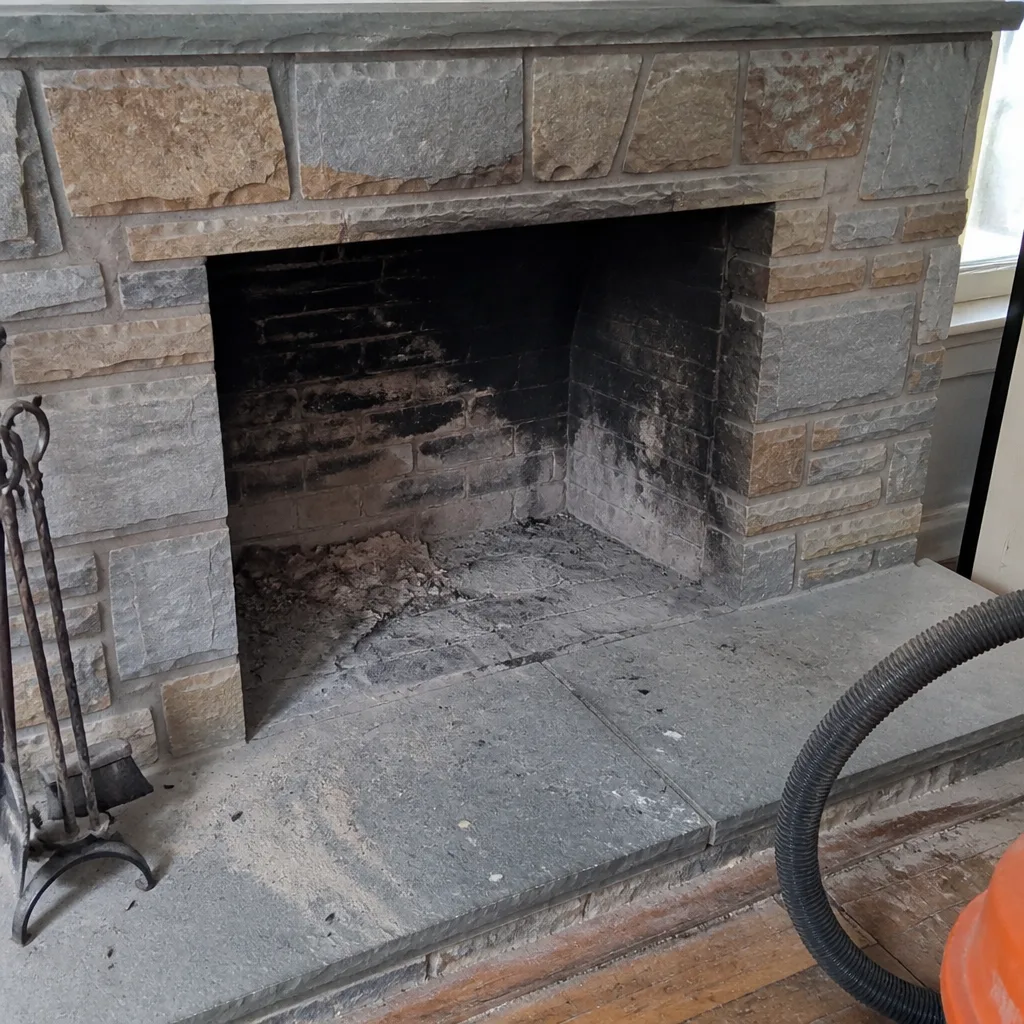 Before
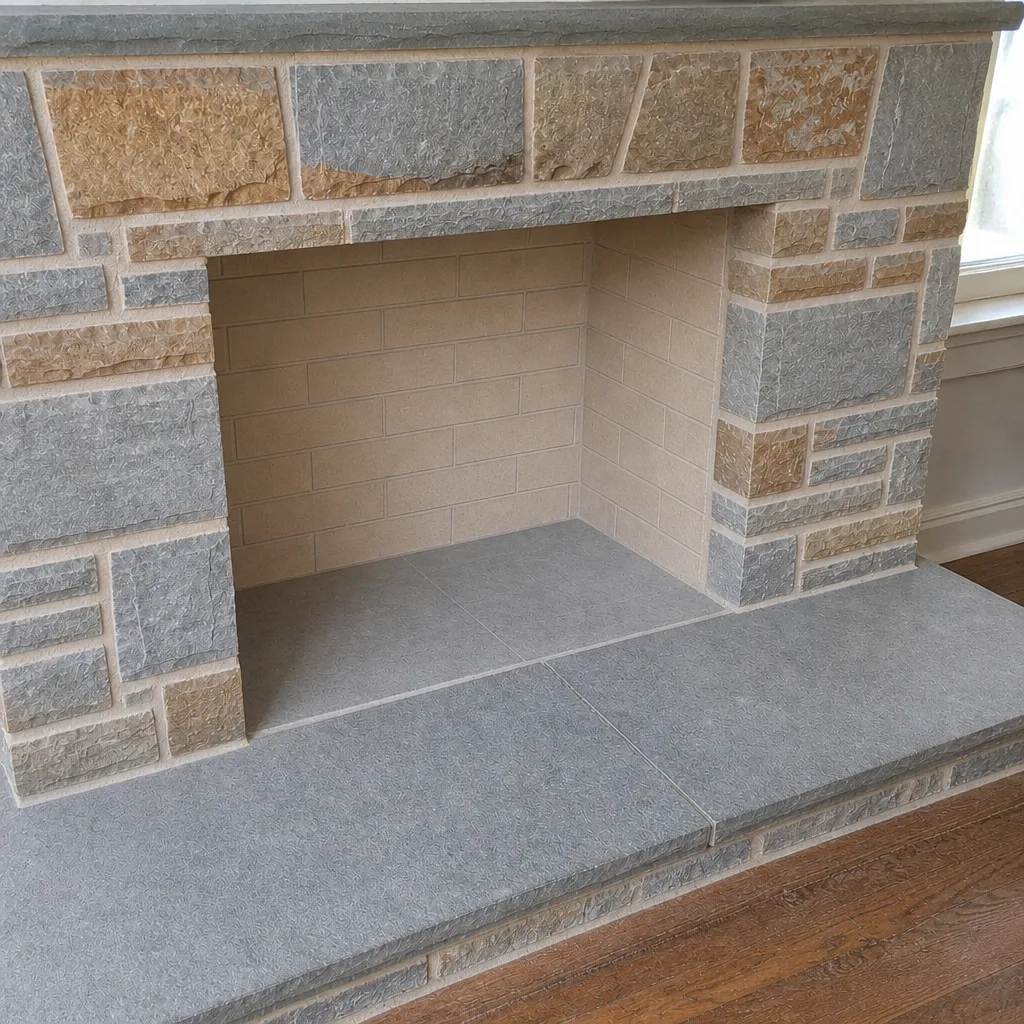 After
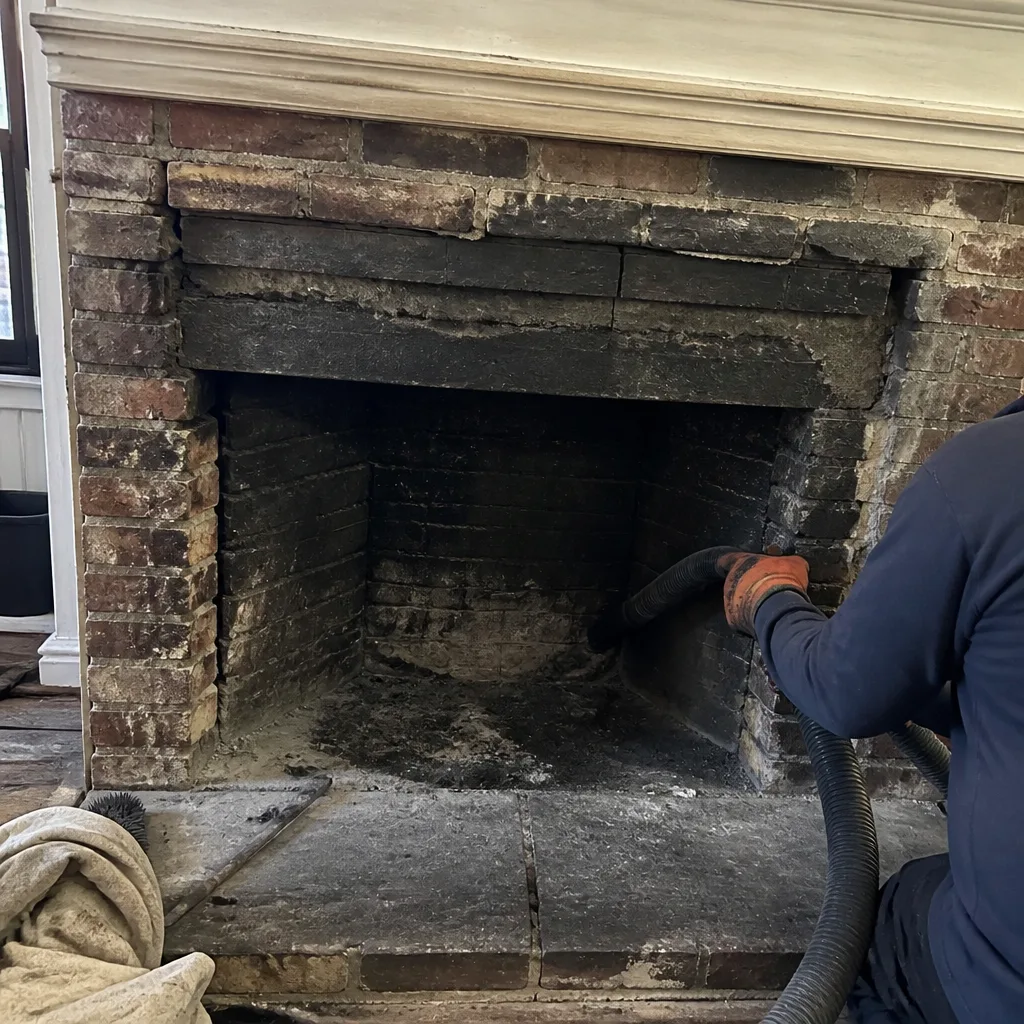 Before
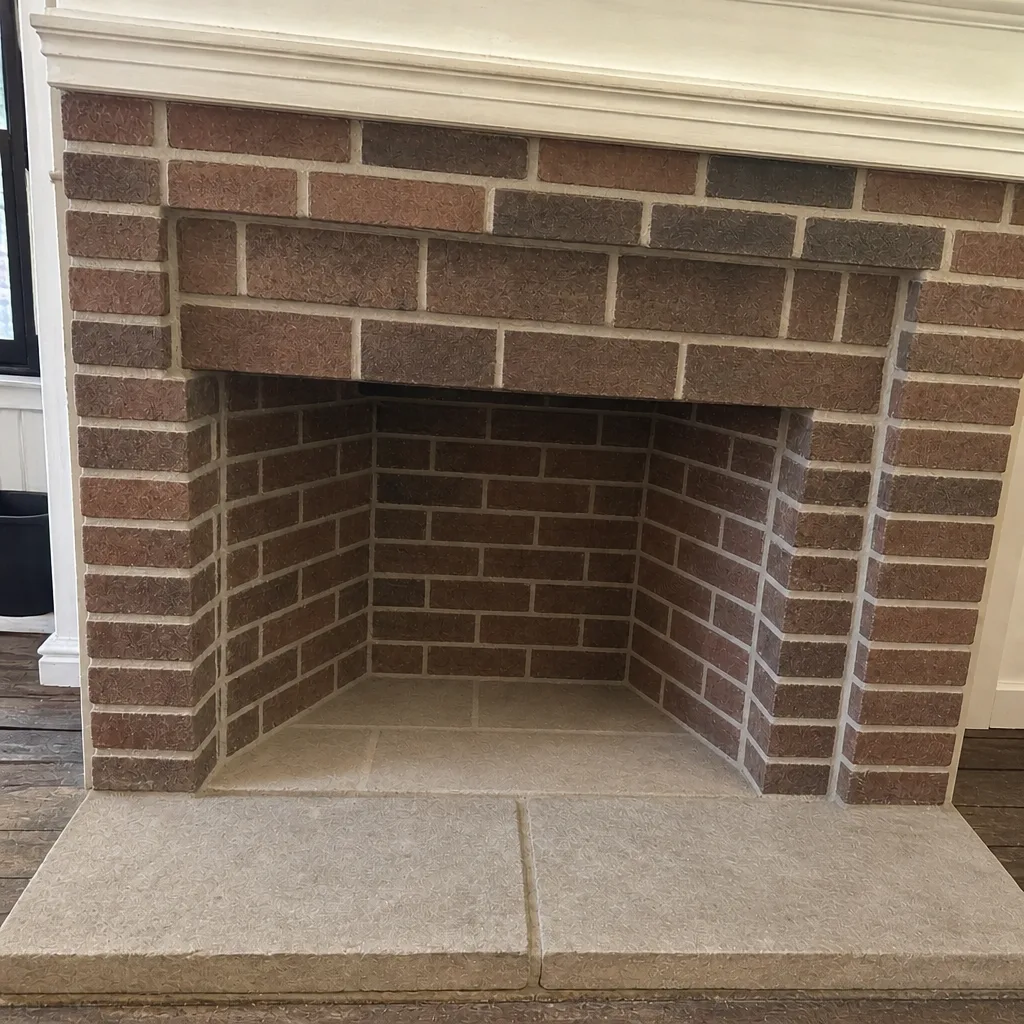 After
When to Call a Professional
Some chimney problems are obvious. Others show up only under camera. Call a professional if you see cracked or missing crown material, a cap that’s rusted through or loose, water staining on the ceiling or chimney breast, a firebox that smells smoky when the fireplace is cold, or a flue liner with visible cracks or gaps. If your chimney hasn’t been swept in a while, book a chimney sweep and ask them to schedule an inspection at the same visit. That’s where the products on this page start to matter. If a contractor recommends a repair, ask for the product name and the rated lifespan in writing before you approve it. Chimney Sweep Bayside offers free estimates in Bayside – call (833) 482-5742. We answer 24/7. Fast dispatch from 7am to 7pm, Sunday through Friday. Our technicians have up to 13 years of experience, and they’ll show you the camera evidence behind every recommendation.
Frequently Asked Questions
For flue resurfacing, ask for HeatShield, which is the standard industry product for ceramic flue rehabilitation. For caps and liners, Gelco, Olympia Chimney, and Famco are the names that carry manufacturer specs and warranties. For crown coatings, ask the contractor to name the coating and its rated lifespan. Call (833) 482-5742 for an exact quote – estimates are free.
It depends on the condition of the flue, which is why we camera-inspect before recommending anything. A deteriorated but structurally intact clay liner can often be rehabilitated with HeatShield ceramic resurfacing. A liner with gaps, separation, or heavy spalling needs full replacement with a flexible liner. Nothing is recommended without camera evidence you can see for yourself. Call (833) 482-5742 for an exact quote – estimates are free.
The installed difference typically falls in the low hundreds of dollars. That gap buys a cap that stays corrosion-resistant rather than relying on a coating that breaks down. For a component that protects the whole flue, the upgrade is usually the better value. Call (833) 482-5742 for an exact quote – estimates are free.
Sweep annually if you burn wood regularly, and every couple of years if you burn occasionally. In this climate, the bigger risk is water intrusion through a cracked crown or failed cap, so pair the sweep with a visual inspection of the top of the chimney. Call (833) 482-5742 for an exact quote – estimates are free.
Creosote builds up on the flue walls, and creosote is flammable. A glazed creosote layer can ignite under normal burn conditions and start a chimney fire, which is why annual sweeping is the basic safety step. Carbon monoxide is a separate risk when the flue is blocked or losing draft. Neither is a scare tactic; both are why the sweep matters. Call (833) 482-5742 for an exact quote – estimates are free.
Yes. We handle sweep, inspection, cap and crown work, structural chimney repair, and fireplace repair as one scope, so the crew that diagnoses the problem also specifies and installs the fix. That keeps the repair material and the diagnosis connected. Call (833) 482-5742 for an exact quote – estimates are free.
The Bottom Line
The brand of product on a chimney repair invoice matters more than most homeowners realize, and much more in Bayside’s freeze-thaw climate than in a milder one. Cleaning is technique; repair is chemistry. Ask for the product name, ask for the rated lifespan, and ask for the camera evidence behind the recommendation. If a contractor can’t name the product, that’s your answer. If they can, the difference between a HeatShield-resurfaced flue and a generic patch usually comes down to a $40 material cost on identical labor. Get the estimate in writing, get the product name in writing, and let the material spec do the work.
Written by the team at Chimney Sweep Bayside.