
Last updated November 25, 2026
 Sweep & inspection
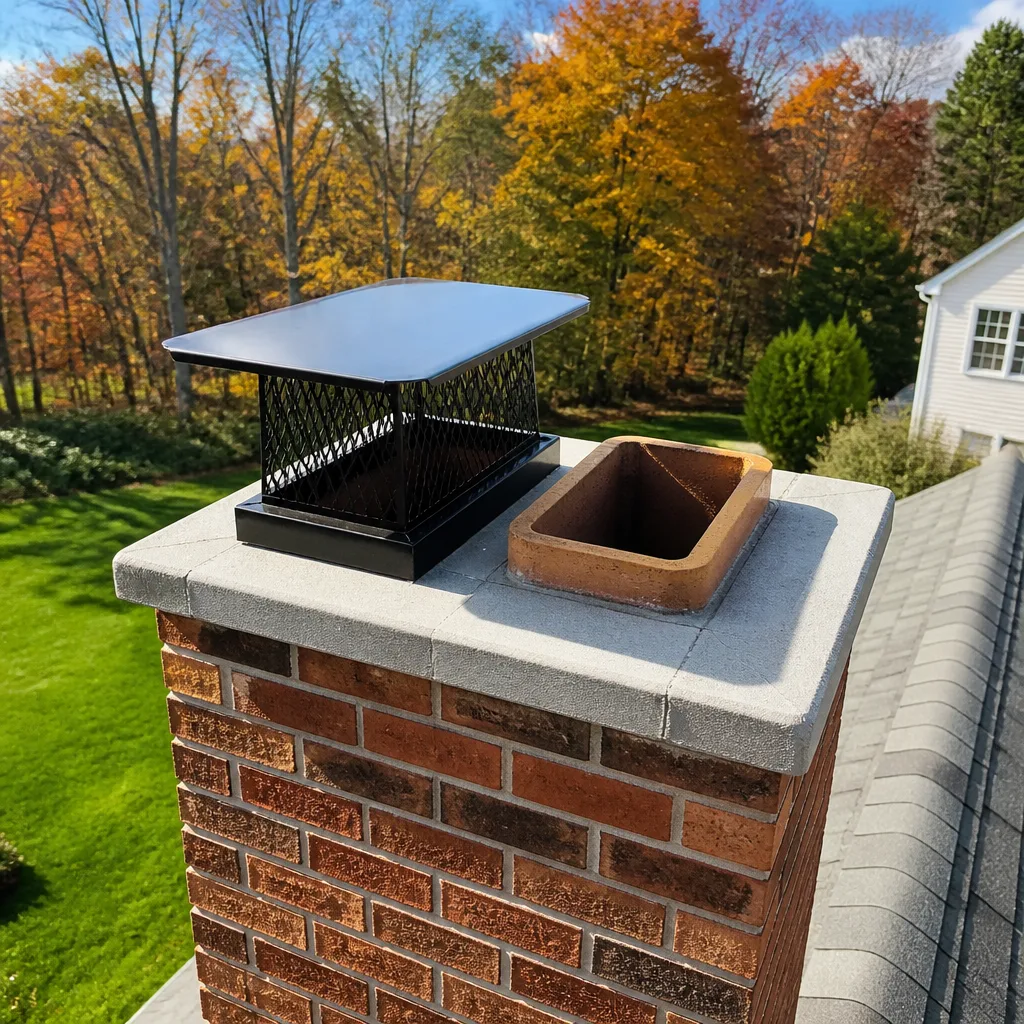
 Caps & crowns
 Flue relining
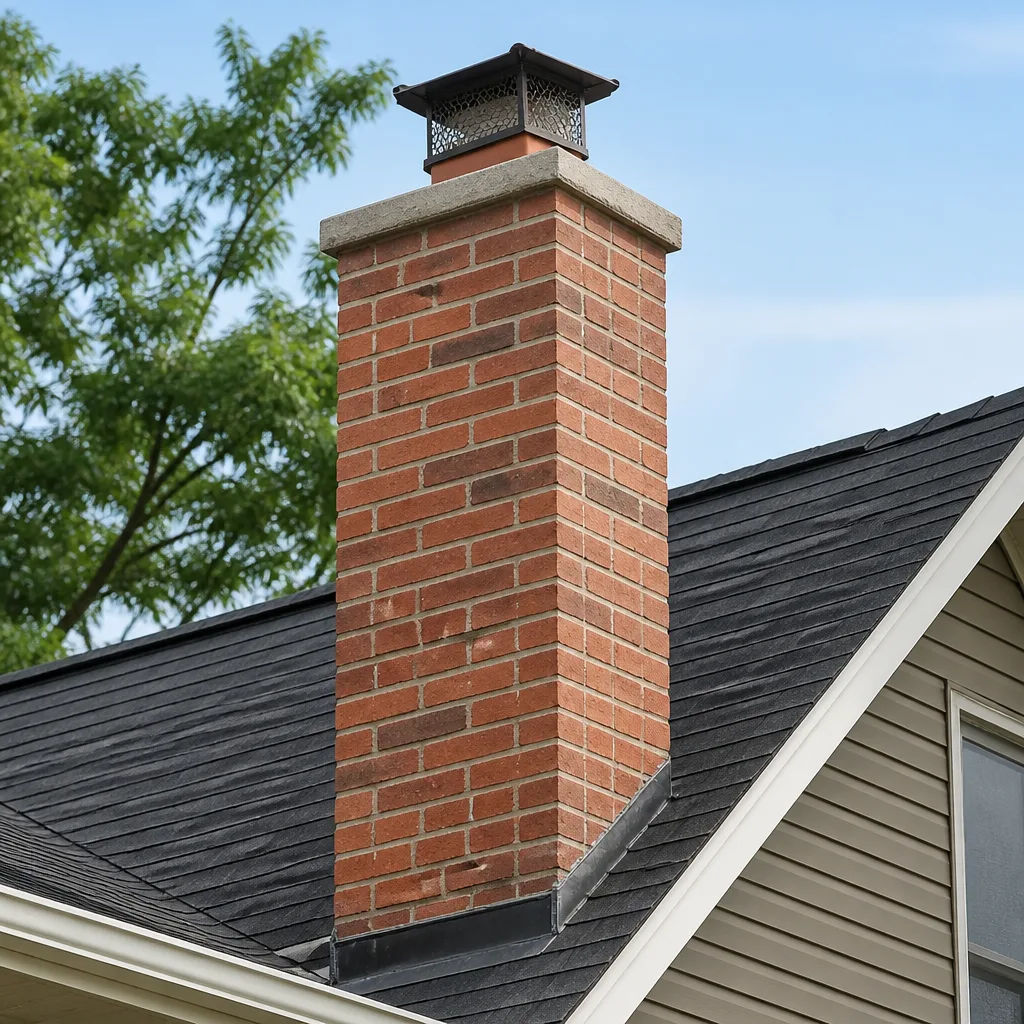 Masonry repair
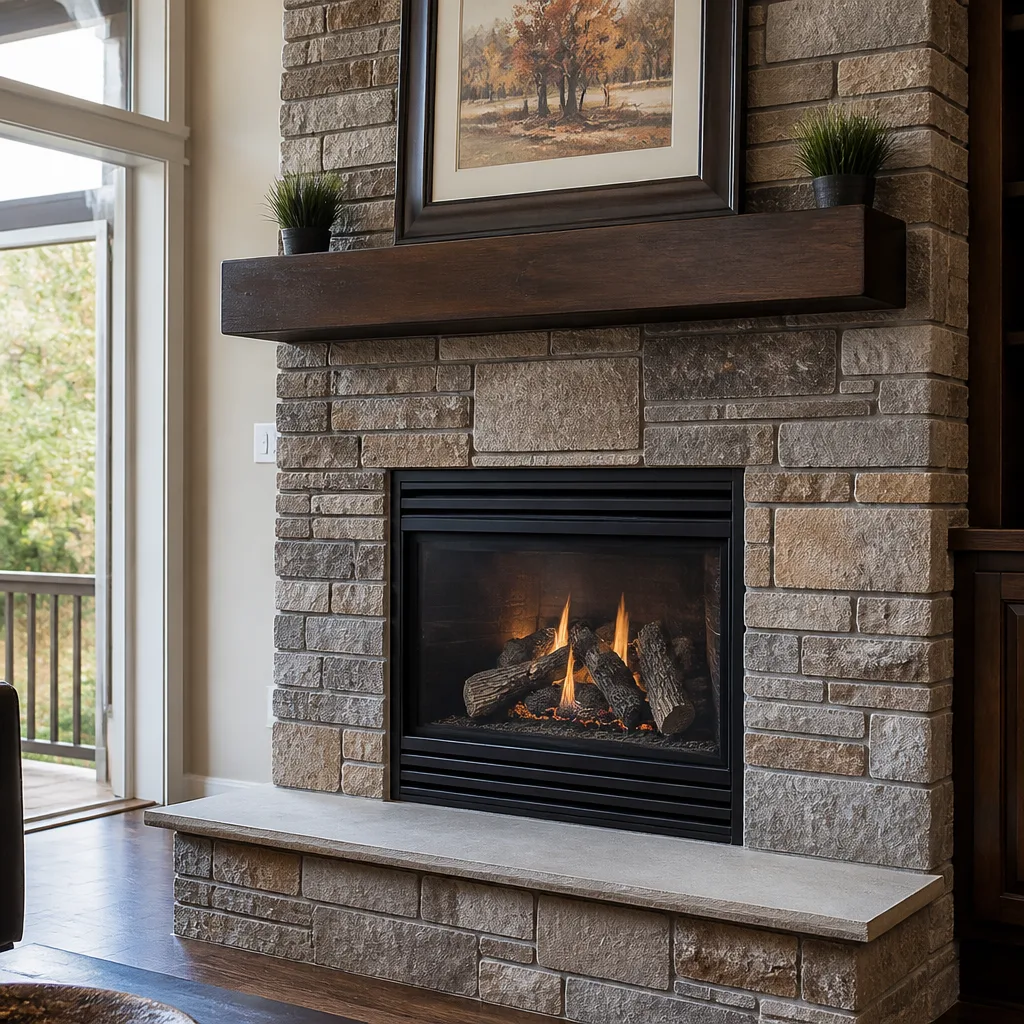 Gas fireplace service
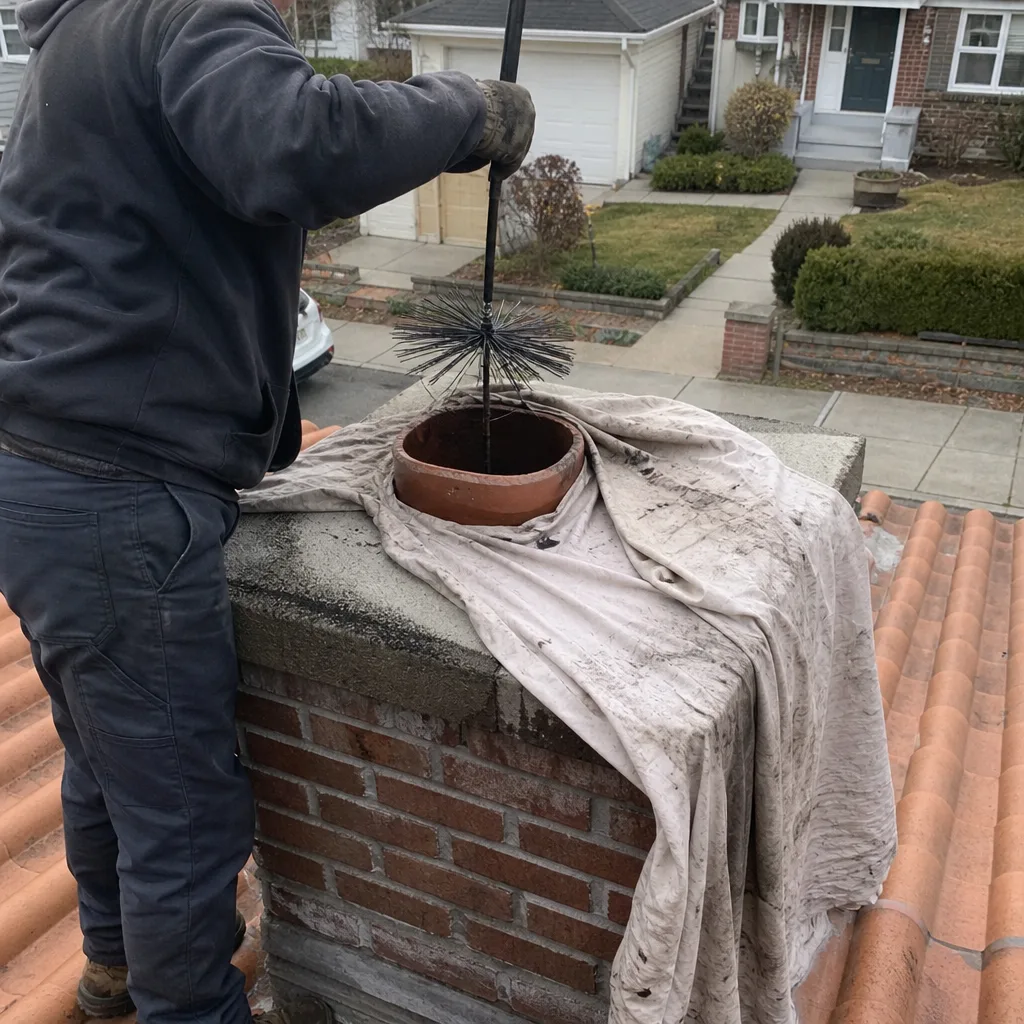
Level 1 sweep and inspection to the NFPA 211 annual standard - flue, crown, cap, and flashing checked and photographed
Chimney sweep logs do not sweep chimneys. They loosen some creosote - which then falls where a brush and vacuum still have to collect it.
Seasonal Chimney Cleaning Care for Bayside: Year-Round Homeowner’s Guide
Most homeowners treat the chimney like a seasonal appliance: use it in winter, forget it by April. That habit is exactly backwards. Late March in Bayside is the single most diagnostic moment in a chimney’s annual cycle. The freeze-thaw damage from a Queens winter is fully visible, the creosote from a season of burning has settled into a stable state, and you have the longest lead time before you need the fireplace again. By the time you are ready to light the first fire in October, small cracks have widened, moisture has had six humid months to work on your liner, and reputable crews are booked out for weeks. This guide maps what actually happens to a Bayside chimney across all four seasons and what a homeowner should do at each stage.
Quick Answer
A chimney in Bayside should be inspected once a year and swept when the flue has roughly an eighth of an inch of creosote buildup, which for most active wood-burning households means an annual sweep. The best time to book that service is late spring, right after the heating season ends, because post-winter freeze-thaw damage is visible then and you have the whole summer to complete any repairs before fall. A correctly fitted cap and a sound crown are the two structural details that prevent the most common chimney emergencies in this climate.
Styles & brands we work with
- Sweep & inspection
- Caps & crowns
- Flue relining
- Masonry repair
- Gas fireplace service
Table of Contents
- Why seasonal care matters more in Bayside than most homeowners assume
- Spring: the diagnostic window after a Queens winter
- What freeze-thaw cycling does to brick and crown
- Summer: how humidity and an open flue damage the liner
- Protecting an unused fireplace through a humid Bayside summer
- Fall preparation: why “before first fire” is too late
- Winter: what to watch while the fireplace is in use
- The one seasonal task that prevents the top three emergency calls
Why seasonal care matters more in Bayside than most homeowners assume
A chimney is not a static object. It’s a masonry and metal assembly that expands, contracts, absorbs water, dries out, and reacts to whatever the weather throws at it. Bayside’s four-season climate puts that assembly through a real seasonal cycle every single year, and the damage isn’t evenly spread across the calendar. The bulk of the structural stress happens in two windows: the freeze-thaw swings of late winter and early spring, and the sustained humidity of July and August. Those are different problems with different fixes, and missing either one means the next season starts from a worse position.
Here’s the practical version. Water is the main enemy of any chimney. In freezing weather, water that has soaked into brick or mortar expands as it turns to ice, and that expansion is strong enough to crack masonry from the inside. In summer, water vapor drawn down an uncapped flue condenses on the liner and mixes with leftover creosote to form an acidic film. Both processes are slow and quiet. Neither is visible from the living room. The only way to catch either one is to look at the chimney at the right time of year, by which we mean just after winter for structural damage and mid-summer for moisture and liner problems.
Homeowners in Bayside often assume the chimney only needs attention if they smell smoke or see a stain on the ceiling. In our experience, the problems that matter most are the ones you can’t see or smell until they’re expensive. A clean flue is a safe flue, and the seasonal inspection is how you keep it that way.
Spring: the diagnostic window after a Queens winter
If you only do one chimney task a year, make it a post-winter inspection booked in April or early May. That timing isn’t arbitrary. By late March, the freeze-thaw damage from the heating season is at its most visible: mortar joints have opened, hairline cracks in the crown have widened, and any spalling brick has already begun to shed its face. At the same time, the creosote from the burning season has stopped accumulating and settled into a stable state, so a sweep in April or May clears the flue for the whole off-season.
Here’s how a spring service usually runs:
- Book the sweep and inspection together. The two jobs share the same visit and the same access, so doing them together is more efficient than splitting them across two appointments.
- Get the flue swept first. A clean flue gives the inspector a clear view of the liner interior, which is where hairline cracks and deterioration show up first.
- Inspect the full system, firebox to chimney cap. That includes the damper, smoke chamber, flue liner, crown, cap, and exterior masonry.
- Review the findings with photos. A proper inspection documents what the technician saw with images, so you can see the same crack they’re describing.
- Schedule any repair for early summer, not fall. Masonry, crown work, and liner replacement all need dry, mild weather to cure properly, and the contractor calendar is emptiest in June and July.
The reason to schedule repairs in early summer rather than waiting is simple logistics. Every fall, Bayside homeowners call in September to book a sweep and discover the calendar is full. If the inspection has already found a cracked crown or a deteriorating liner in spring, you have months to fix it, not weeks. That’s the difference between a routine repair and a scramble.
What freeze-thaw cycling does to brick and crown
Freeze-thaw cycling is the process where water enters a porous material, freezes overnight, expands, thaws during the day, and repeats. In Bayside, that cycle can run dozens of times in a single winter, and masonry takes the worst of it. Brick is porous. Mortar is porous. The crown – the concrete or masonry cap at the very top of the chimney that sheds water away from the flue – is porous too. Every freeze-thaw cycle widens any existing hairline crack slightly, and by the time spring arrives, a crack that started as a hairline can be a real pathway for water into the chimney structure.
Two specific things happen:
- Brick spalling. Water soaks into the face of a brick, freezes, and pushes off the outer layer. That’s called spalling, and once a brick’s face is gone the brick is more vulnerable to the next freeze. Spalled brick is also the first sign that the chimney’s waterproofing has failed, not just the brick.
- Crown cracking. The crown is the widest, flattest surface on the chimney, which makes it the most exposed. A crack in the crown lets water run directly into the chimney’s interior rather than off its exterior, which is the worst possible outcome. Water in the crown crack soaks the masonry below it and sets up more freeze-thaw damage the following winter.
We use HeatShield ceramic flue resurfacing when a flue’s interior has deteriorated, because the ceramic lining restores a smooth, sealed surface without the cost and disruption of a full rebuild. On the exterior, we work with Copperfield and Famco components for crown and cap work, chosen because they hold up to cycles of wet and cold rather than degrading after a few seasons. The goal is not to make the chimney look new. It’s to stop the water from getting in, because everything else follows from that.
Summer: how humidity and an open flue damage the liner
Summer is the season most homeowners ignore the chimney entirely, and that’s exactly why it’s the season when hidden damage accelerates. Here’s the mechanism. Warm, humid air is drawn down an uncapped or open flue at night as the outside air cools and the chimney creates a stack effect. As that humid air contacts the cooler interior of the flue, it condenses on the liner and on any leftover creosote. The condensate and the creosote react, and the resulting film is acidic. It’s a slow process, but it runs for three to four months straight every summer, and it attacks exactly the surface you need to protect.
The same thing happens on an unused gas fireplace, which many Bayside homeowners keep as a backup or a decorative feature. Gas burning produces its own moisture, and an unsealed flue on a gas fireplace with a pilot light running all summer compounds the problem. The fix is not complicated, but it does require a properly sized damper seal or a sealed cap, not a stuffed towel or a piece of plastic over the firebox.
What to check going into summer:
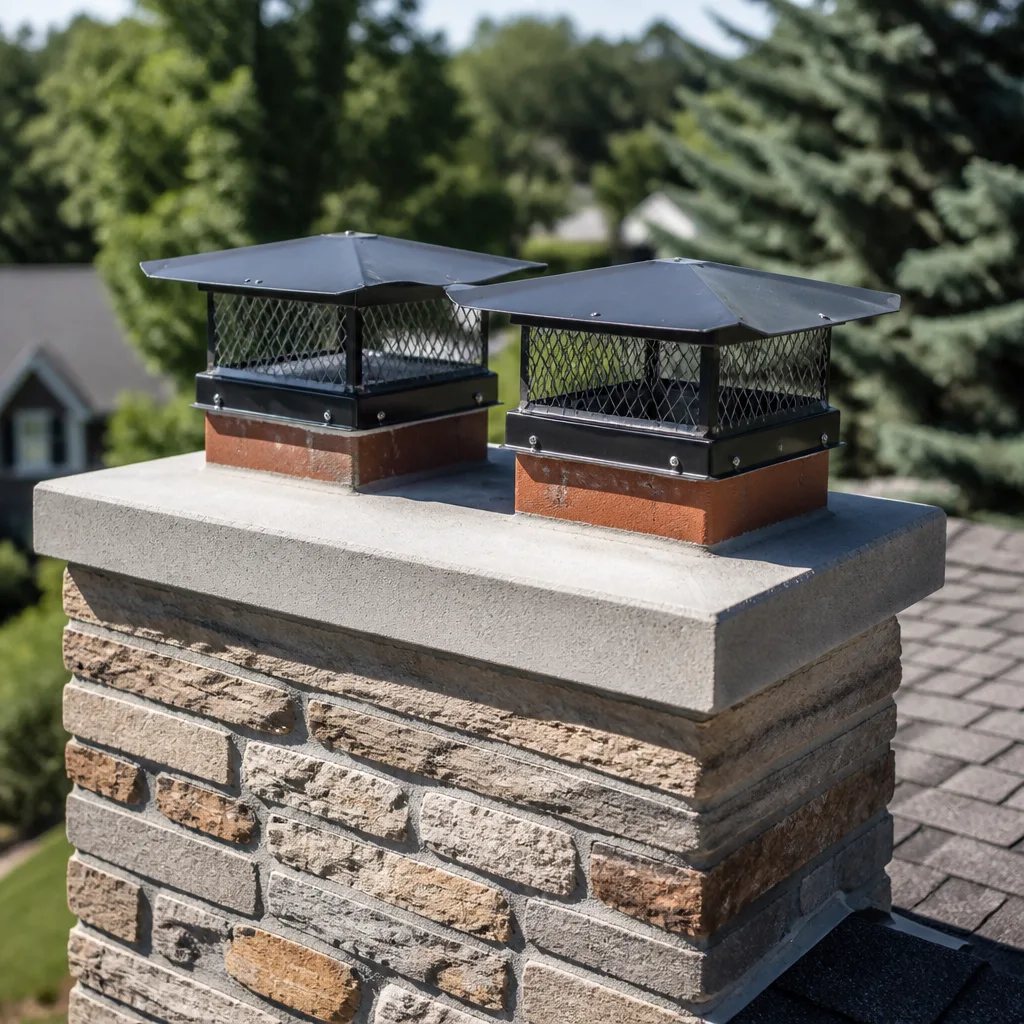
- The cap. A correctly sized cap blocks rain and animal entry while still letting exhaust gases out. It’s the single best defense against summer condensation damage.
- The damper. A snug damper closes the flue when the fireplace is idle. A damper that doesn’t seat properly leaves a permanent open channel for humid air.
- The crown. Look for pooling water or a visible crack on the top of the chimney from ground level with binoculars, or have the technician check it during a site visit.
- The liner. A camera inspection in early summer catches a deteriorated liner before it becomes a full replacement job, which is why post-winter inspection is so useful.
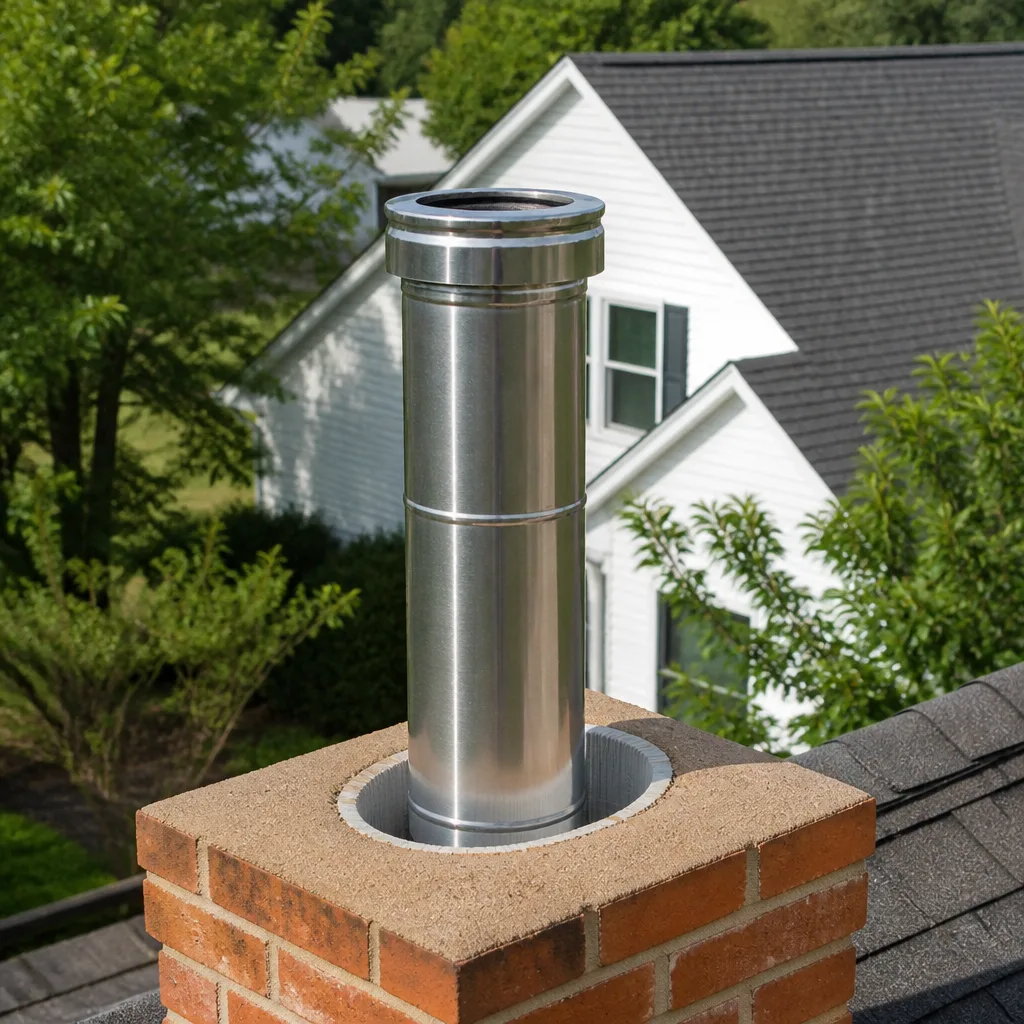
If a flue has already deteriorated, a DuraFlex flexible liner replacement is often the right call, and we handle that work with the same technicians who diagnosed the problem, not a subcontractor. That matters because the liner is the single most critical part of the chimney’s safety system, and it should not go into a third party’s hands mid-job.
Protecting an unused fireplace through a humid Bayside summer
Not every Bayside fireplace gets used every season. Guest rooms, dens, and second fireplaces often sit idle from April to October, and an idle fireplace is a moisture trap if it’s left open. The key detail is the damper seal, and it’s easy to get wrong. A correctly sized damper seal is a purpose-built rigid or semi-rigid panel that fits the specific dimensions of your firebox opening, seals against the frame, and blocks humid air from moving up into the flue. A piece of cardboard, a sheet of plastic, or a towel wedged into the firebox is not a damper seal, and it creates its own problems: trapped moisture, mildew, and in some cases a fire hazard if it’s left in place and the fireplace is later lit.
A properly sized damper seal does two things at once. It stops the summer humid air from reaching the liner, and it stops the conditioned air inside the house from escaping up the flue, which is an energy issue that a lot of homeowners notice as a draft even in summer. The seal has to be sized to your specific firebox, so this is not a universal purchase. A technician measures the opening and cuts the seal to fit.
If the fireplace is a gas unit with a standing pilot, the protection question is different. A gas fireplace needs its exhaust path clear even when the burner is off, so a simple damper seal on the firebox opening may not be the right answer. Ask a technician to look at the specific unit and recommend the protection that fits it. That’s one of the reasons we cover the full hearth system including fireplace repair, so the answer isn’t split between a sweep, a gas fitter, and a fireplace specialist.
Fall preparation: why “before first fire” is too late
“I’ll get the chimney cleaned before I light the first fire” is the single most common scheduling mistake we hear from Bayside homeowners. It sounds responsible, and it’s the wrong order. If the fall sweep reveals a cracked crown, a spalled brick, or a deteriorated liner that needs replacement, you now need a repair completed before the weather turns, before a contractor can fit you in, and before the fireplace is safe to use. In practice, a repair found in October means either a chimney you can’t use in November or a rushed job in poor weather, and neither is what you want.
The fall sequence should actually start in late summer, not the week the first cold front hits. The order:
- Mid-to-late August: book the fall inspection and sweep. Contractors’ schedules are still manageable.
- Early September: complete any repairs the inspection found. Masonry, crown, and liner work all need favorable weather.
- Late September: confirm the cap is securely attached and the crown is fully cured. The first cold snap often brings the first heavy rain and the first leaf fall into an uncapped flue.
- Early October: a quick visual check of the firebox and damper before lighting. If anything looks different from the inspection, call before lighting a fire.
The subtle point is that fall is the busiest time in the chimney trade, and the busiest time is exactly when a schedule fills and a repair gets delayed. Fall preparation works if it starts in August. If it starts in October, it works less well. The order of operations, not the effort, is what separates a smooth season from a stressful one.
Winter: what to watch while the fireplace is in use
Once the fireplace is running, the season-to-season job changes. During the burning season, the homeowner is the first line of observation. You don’t need to climb a roof. You do need to notice four things, and if you notice any of them, call before the next fire:
- Smoke backing into the room. A well-drafted fireplace should pull smoke up the flue, not into the room. Smoke in the room means a blocked or partially obstructed flue, and it’s a stop-use signal.
- A strong odor when the fireplace is cold. A creosote or soot smell in a cold chimney often means the flue needs sweeping before it’s used again.
- Visible creosote buildup at the firebox. Any significant buildup near the top of the firebox suggests it’s also built up higher in the flue, which is exactly what a sweep removes.
- Cracks or gaps around the firebox or on the chimney’s exterior. New cracks mid-winter are worth a call rather than a wait until spring.
Annual sweeping is the baseline, not a maximum. A household that burns through multiple cords of wood a season accumulates creosote faster than a household that lights a fire a few times a month, and the sweep interval should reflect that. If you’re unsure whether your own use pattern calls for a mid-season sweep, have the flue checked. It’s a short visit and it answers the question definitively.
One thing to be clear about regarding creosote: it’s flammable, and a build-up inside a flue can ignite. That’s the reason for the annual sweep and the reason a fire that sounds or smells different than usual deserves a call, not a reassurance that it’s fine. There’s no need to be alarmist about it. A clean flue is a safe flue, and a clean flue is what a properly scheduled annual sweep produces.
The one seasonal task that prevents the top three emergency calls
If we had to name the single most valuable seasonal task, it’s the annual check of the chimney cap and crown. That one check heads off the three most common urgent calls we get in Bayside, and it’s cheap and quick compared to the repair it prevents.
The three emergencies and what each one traces back to:
- Water pouring into the firebox after heavy rain. This almost always traces back to a failed cap or a cracked crown, and both are visible on a routine inspection months before the water reaches the living room.
- Birds or squirrels in the flue. An uncapped or partially failed cap is the entry point. A correctly fitted cap is the entire solution, and once the animal is out, a proper cap prevents a repeat.
- A liner that has to be replaced rather than resurfaced. If a liner has been left deteriorating for multiple years, a resurfacing with HeatShield may no longer be an option, and a full DuraFlex liner replacement is the fix. That’s the costly version of a problem a liner that was caught early would have solved with a cheaper repair.
The economic logic is straightforward. Cap and crown work is inexpensive relative to structural repair. It’s also the work that protects the chimney’s interior for the entire off-season, which is when the most damage accumulates. Once a year, look at the top of the chimney. If you can’t see it safely from the ground, have a technician check it as part of the annual inspection. That’s the whole task, and it’s the highest-value thing on this list.
We work with Copperfield and Famco components for cap and crown work specifically because these details have to survive years of freeze-thaw cycling and summer sun without needing replacement. Read more about our chimney cap & crown work if you want to see how the detail is handled. Structural repair and the full roof-line picture are covered in our guide to chimney repair in Bayside.
Common Mistakes to Avoid
- Booking the annual sweep in October. By then, the schedule is full and any repair the inspection finds has to be rushed before the first frost. Book in April or May for the best access to both the calendar and the weather.
- Skipping the inspection because the sweep was done. A sweep cleans the flue. It doesn’t inspect the crown, cap, masonry, or liner for damage. The two jobs are different and a proper annual service does both.
- Leaving the flue open all summer. An uncapped flue in a humid Bayside summer is a condensation pathway, and the acidic film that forms on the liner is exactly what shortens its life. A properly sized cap and damper seal is the fix.
- Using cardboard or plastic over the firebox as a summer seal. That’s not a damper seal. It traps moisture, can grow mildew, and becomes a fire hazard if it’s forgotten in the fall and the fireplace is lit.
- Waiting for a visible problem before calling. By the time a stain appears on the ceiling or smoke backs up into the room, the problem has usually been developing for a while. Seasonal inspection catches it early, which is the cheaper window.
- Assuming a gas fireplace doesn’t need chimney care. Gas produces moisture and requires a clear exhaust path. A gas fireplace benefits from the same service schedule on a different frequency, and its liner is worth a look at least as often as a wood-burning flue’s.
- Choosing a sweep who can’t repair what they find. A general sweep who can only clean leaves you to re-hire a second contractor for any structural issue. A full-lifecycle specialist handles the sweep, inspection, cap and crown, and repair in one visit, which matters when the repair is time-sensitive.
See the difference
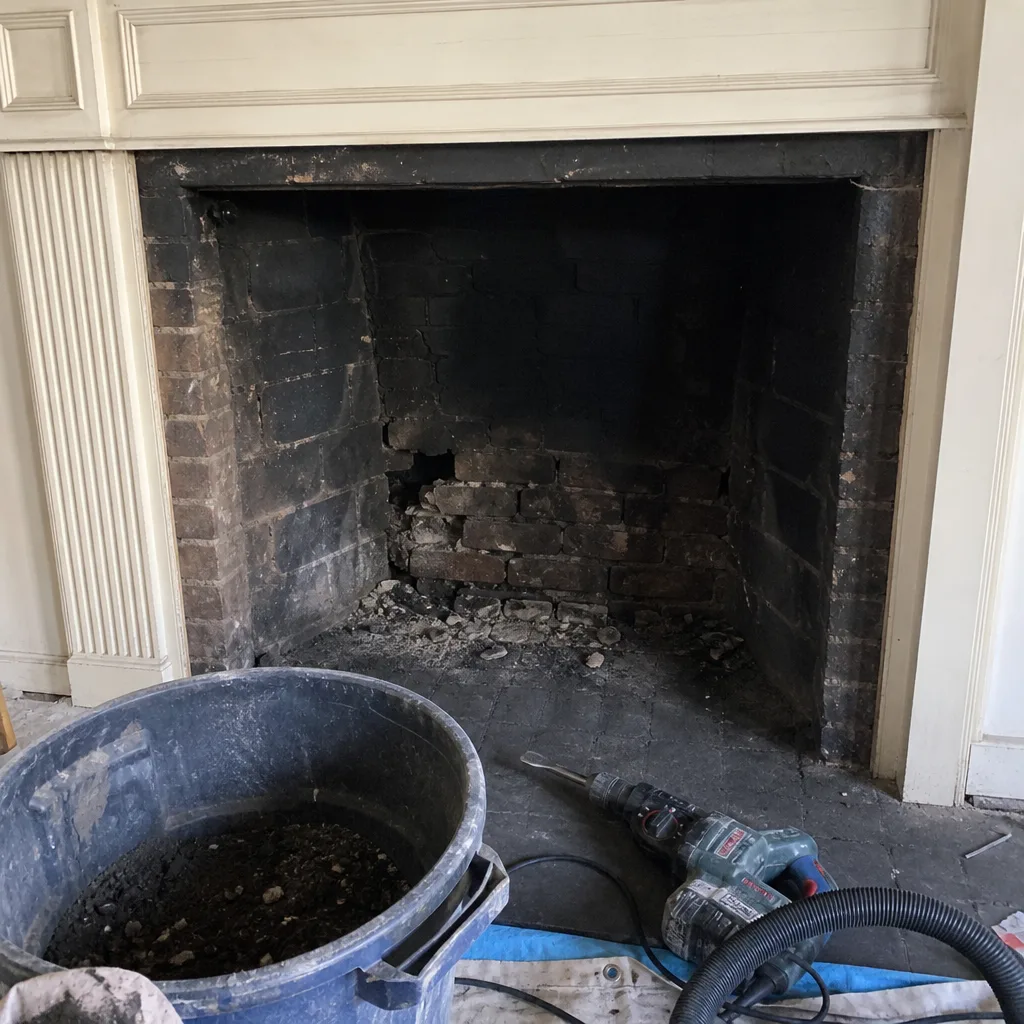 Before
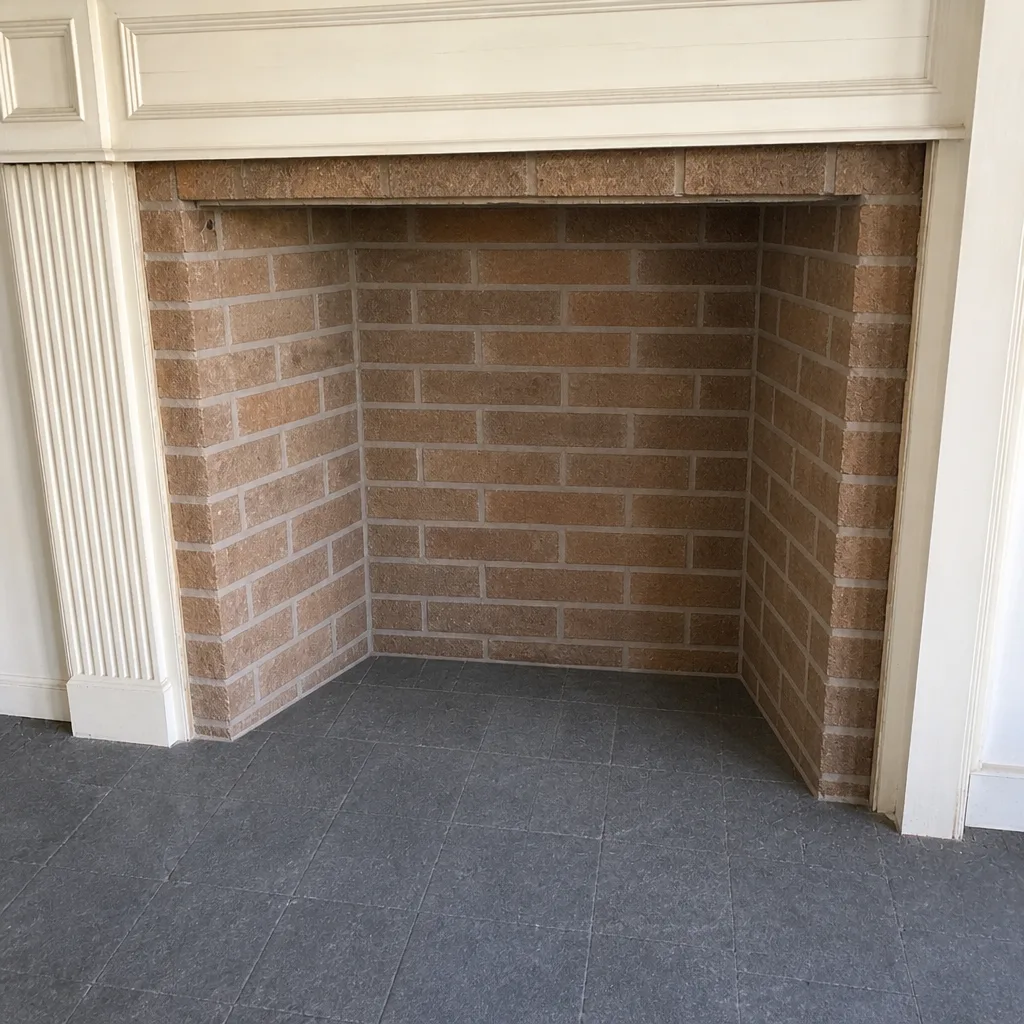 After
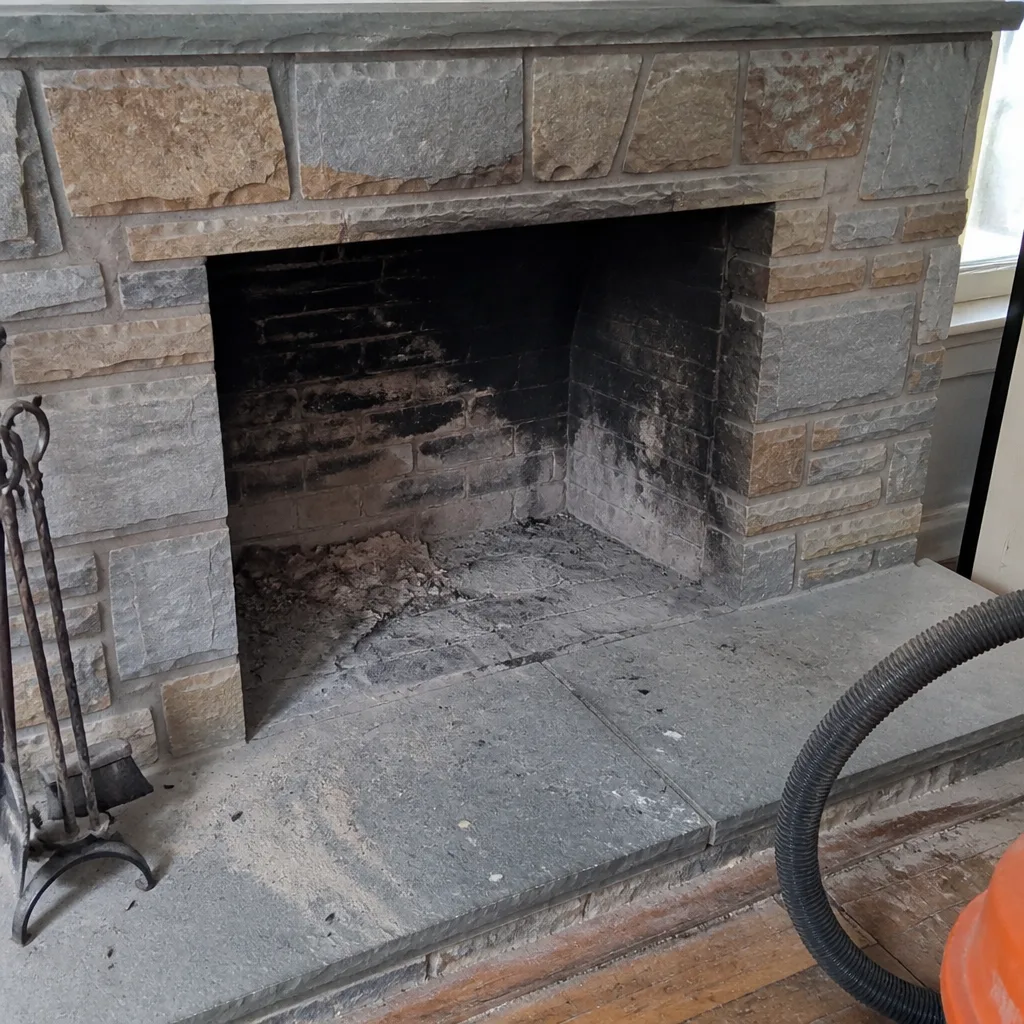 Before
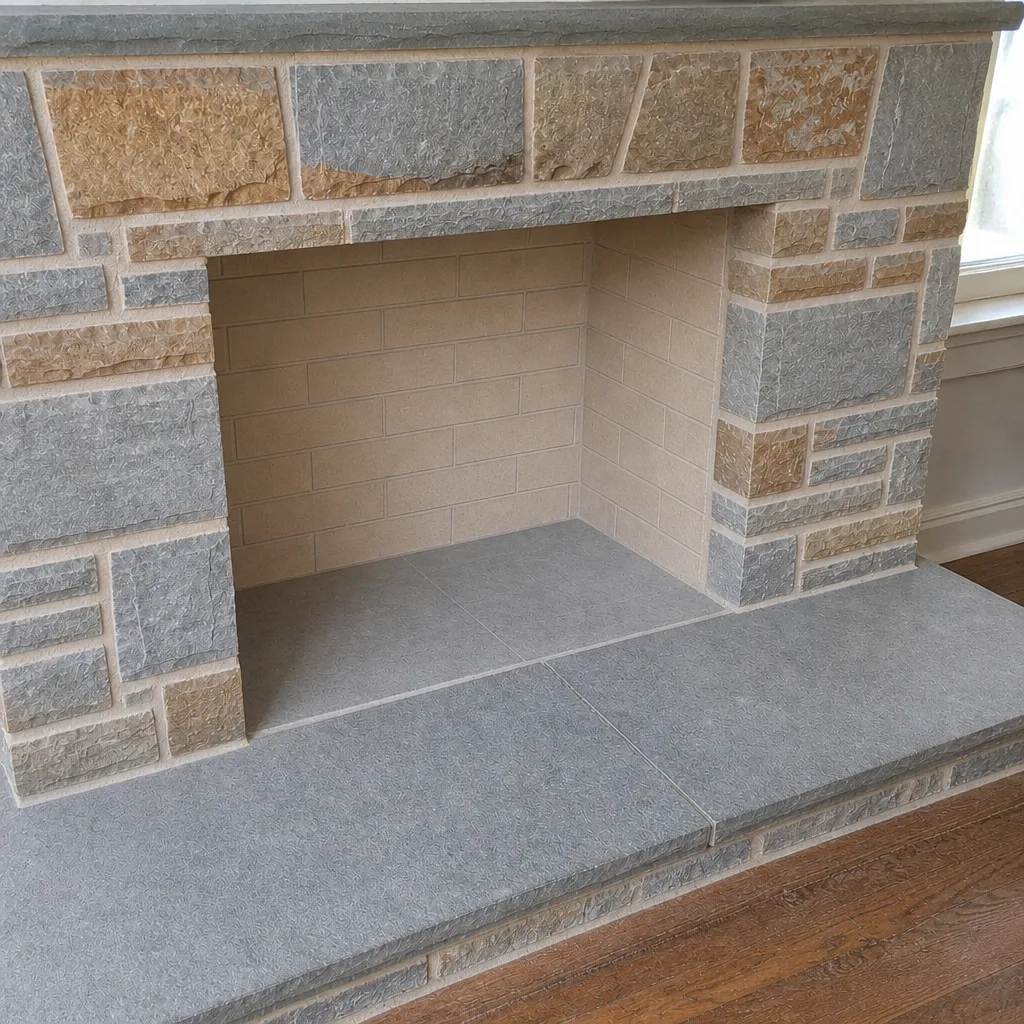 After
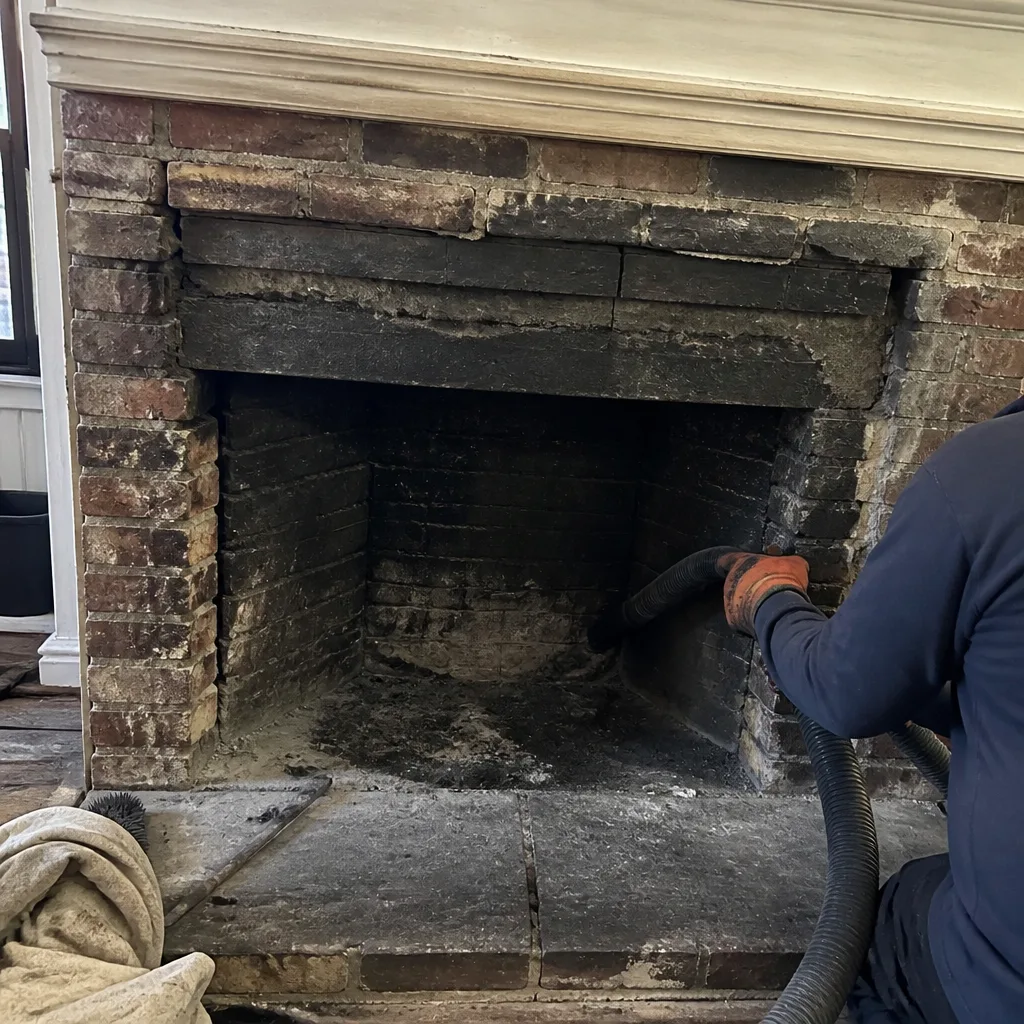 Before
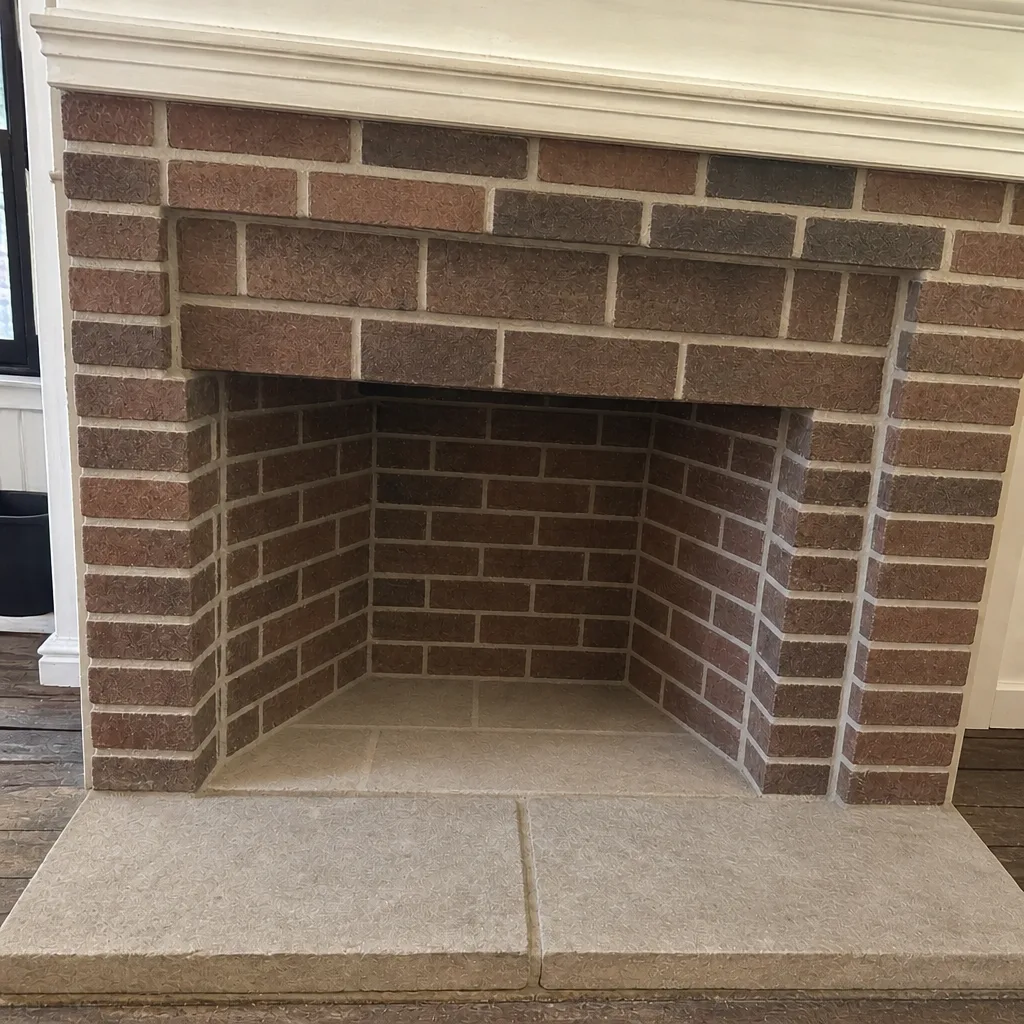 After
When to Call a Professional
Call a professional before the next fire if you smell smoke in the firebox when the fireplace is cold, see smoke backing into the room when it’s lit, or spot fresh cracks on the chimney’s exterior. Mid-season, a sudden change in draft or a fire that behaves differently than it did last month warrants a call before the next burn. On the seasonal side, the annual sweep and inspection is the item most homeowners schedule and a full post-winter inspection is the item most homeowners skip. Both matter, and both are worth booking before the calendar fills. Chimney Sweep Bayside offers free estimates in Bayside – call (833) 482-5742. We answer 24/7. Fast dispatch from 7am to 7pm, Sunday through Friday.
Frequently Asked Questions
Once a year for a typical wood-burning fireplace, and more often for a household that burns through multiple cords of wood per season. The standard threshold is roughly an eighth of an inch of creosote buildup in the flue, which an annual sweep keeps in check for most households. If you burn frequently or notice creosote at the firebox, have the flue checked mid-season as well. Call (833) 482-5742 for an exact quote – estimates are free.
Spring is the best inspection window because the freeze-thaw damage from the winter is fully visible by late March, the creosote from the heating season has settled, and you have the whole summer to complete any repair before fall. Booking in April or May also gives you the best access to contractor schedules, which fill rapidly in September and October. A post-winter inspection catches the damage when the repair is cheapest and least disruptive.
An open flue draws humid air down into the chimney, where it condenses on the liner and mixes with leftover creosote to form an acidic film that attacks the liner surface. Over three to four months of Bayside summer, that film accelerates liner deterioration. A properly fitted cap and a snug damper seal are the fix, and both are checked during a routine inspection. Call (833) 482-5742 for an exact quote – estimates are free.
Yes, and it’s the most common water-damage path on a chimney. The crown is the flat top surface that sheds water off the chimney. A crack in it lets water run down into the chimney’s interior masonry rather than off its exterior, which is the worst possible failure point. Crown repair is far cheaper than the structural repair it prevents, and the annual inspection is how the crack is found early.
Yes, in the sense that the service frequency and checkpoints differ, but the same full-lifecycle chimney company handles both. Gas fireplaces produce moisture and require a clear exhaust path, so the cap and liner are still worth inspecting annually. The protection method for a gas fireplace with a standing pilot differs from a wood-burning firebox, and a technician can recommend the right approach for the specific unit.
A chimney sweep in Bayside involves brushing the flue to remove creosote and soot, vacuuming the firebox and smoke chamber, and a visual or camera inspection of the flue and chimney top. The sweep removes the fuel load; the inspection tells you what condition the chimney is in. Both are part of our chimney sweep service, and both belong on the same visit. Call (833) 482-5742 for an exact quote – estimates are free.
The Bottom Line
A Bayside chimney needs the right care at the right time, and the schedule that matters most has two windows: a post-winter inspection in April or May, and a pre-fall check in August or September. Between them, a correctly fitted cap and a snug damper seal protect the flue from humid summer air, and a sweep in spring clears the creosote from the heating season before it has a chance to sit through the off-season. The single highest-value habit is an annual cap and crown check, because it prevents the most common emergency calls we see. Everything else follows from that one habit, done once a year, at the right moment. If you want the full picture of what a specialist handles from the firebox to the chimney cap, our Chimney Sweep Bayside page is the place to start.
If you want the whole system looked at by one team with the tools to diagnose and repair it, call Chimney Sweep Bayside at (833) 482-5742 for a free estimate. We answer 24/7. Fast dispatch from 7am to 7pm, Sunday through Friday. Our technicians have up to 13 years of experience, and we work with professional-grade materials from HeatShield, DuraFlex, Gelco, Olympia Chimney, Famco, and Copperfield so the fix on the top of your chimney holds through the next freeze-thaw cycle.
Written by the team at Chimney Sweep Bayside.