
Last updated November 25, 2026
 Sweep & inspection
 Caps & crowns
 Flue relining
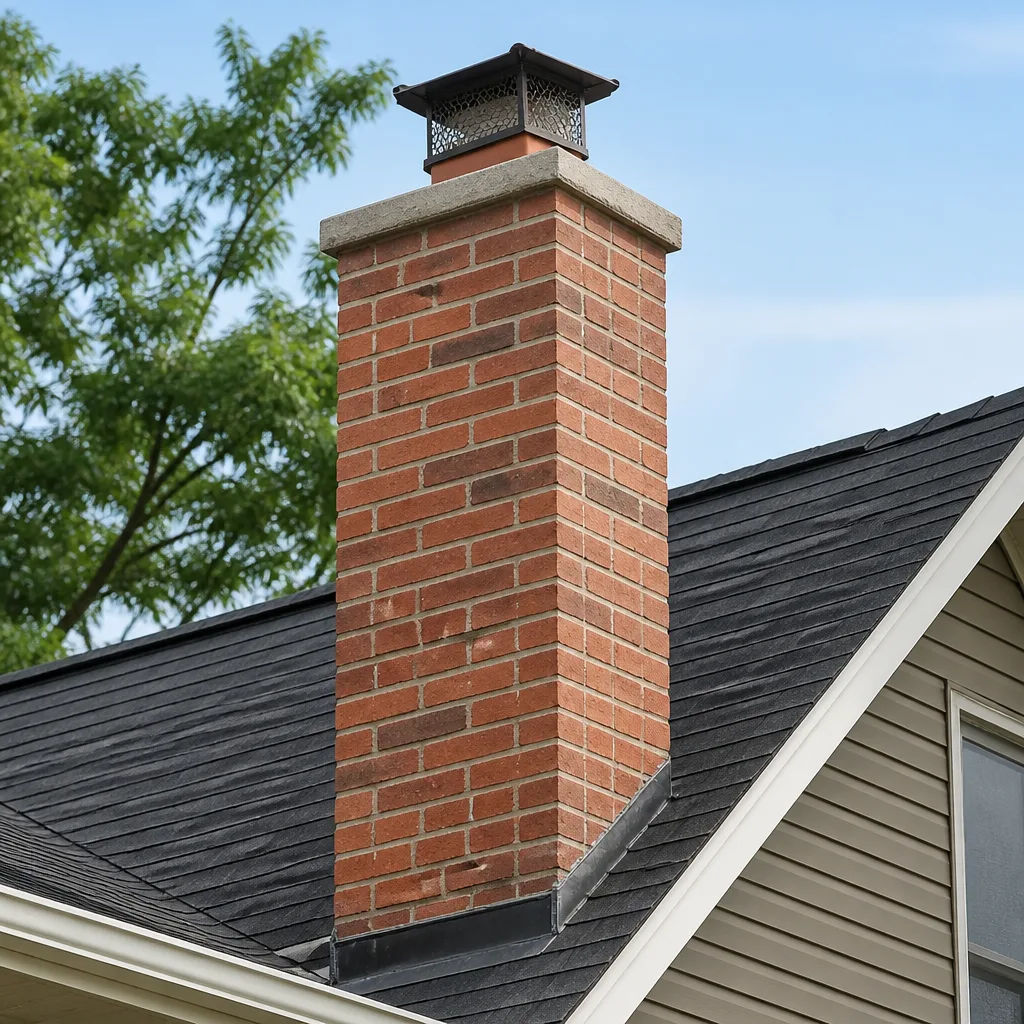 Masonry repair
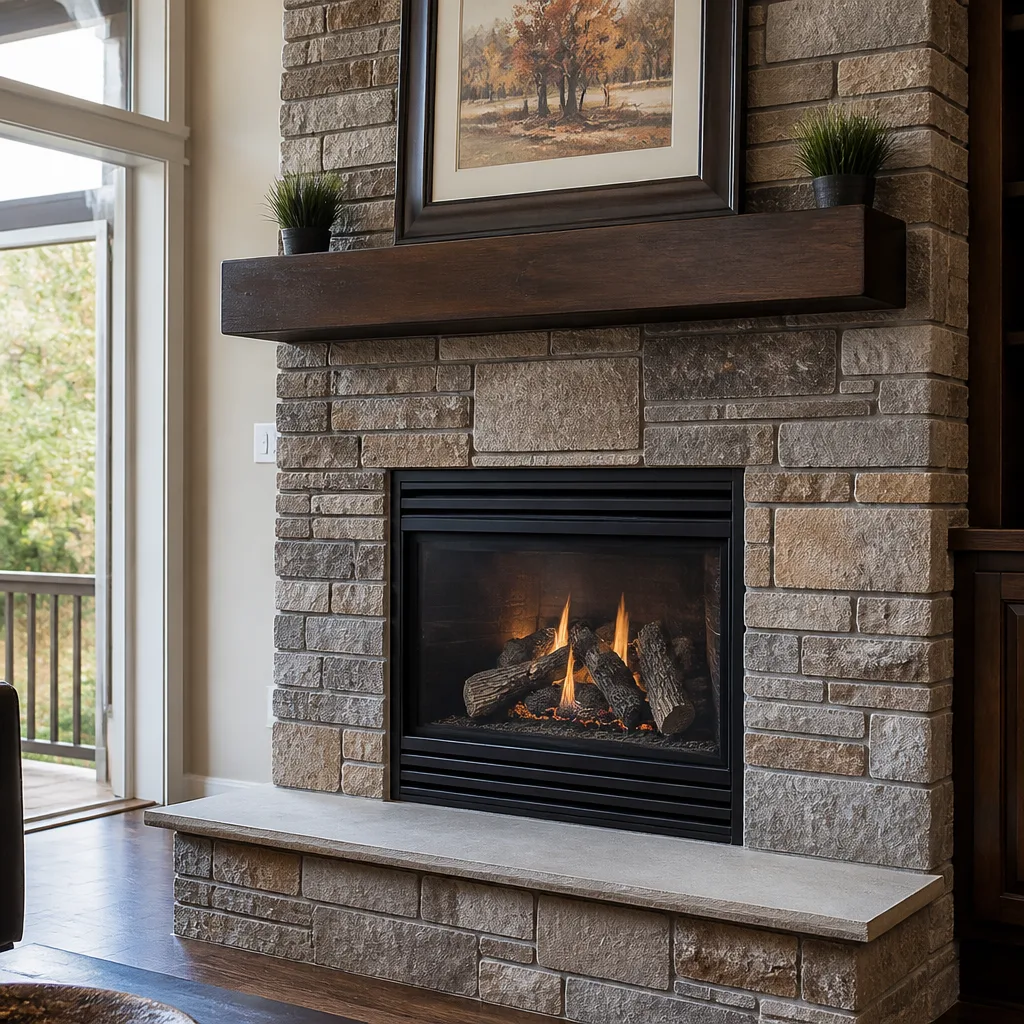 Gas fireplace service
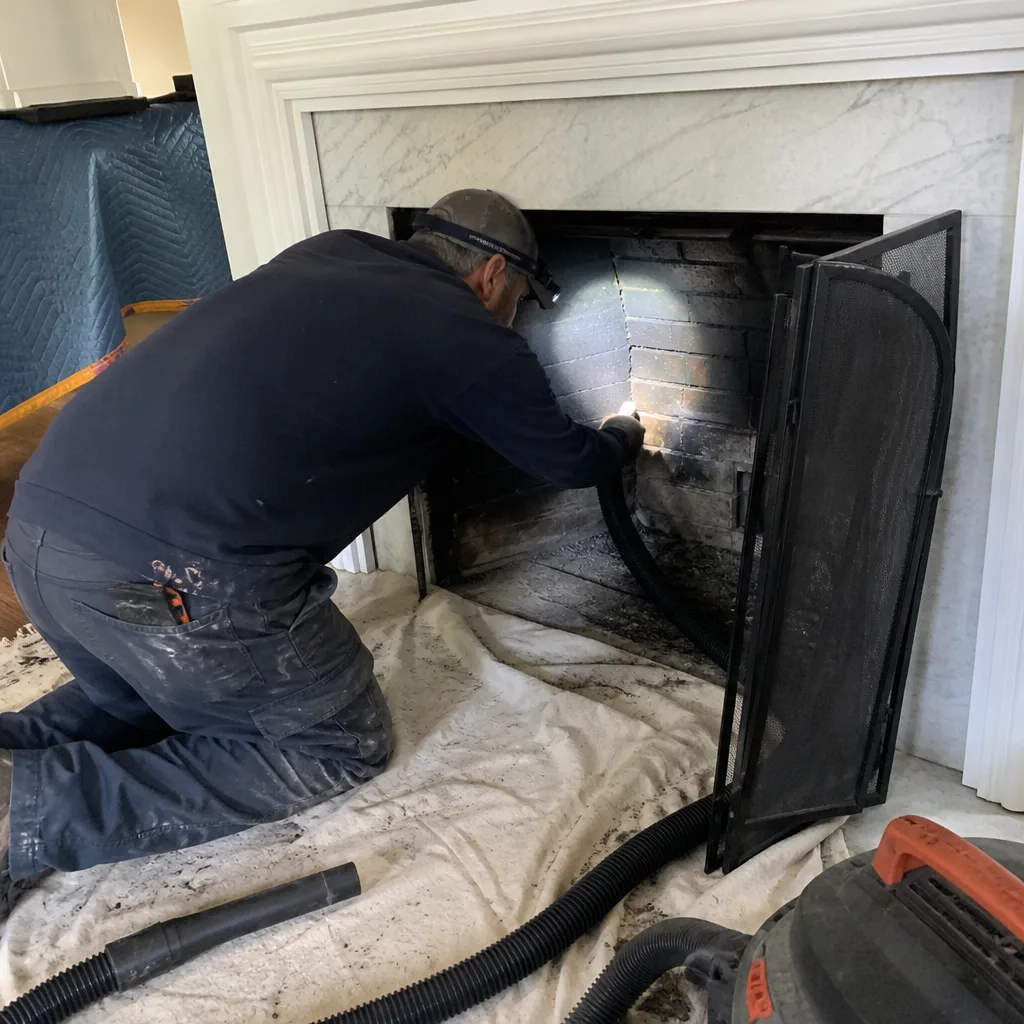
Level 1 sweep and inspection to the NFPA 211 annual standard - flue, crown, cap, and flashing checked and photographed
Chimney sweep logs do not sweep chimneys. They loosen some creosote - which then falls where a brush and vacuum still have to collect it.
Chimney Cleaning Emergency Preparedness Guide for Bayside Homes
Most people picture a chimney fire as a roaring, crackling wall of sound. In our experience, that’s the minority. Plenty of flue fires burn as a low rumble you might mistake for wind in the flue or the furnace kicking on, while the temperature inside the chimney climbs past 2,000°F and starts cracking the liner from the inside out. The sound you recognize changes how fast you act, and in Bayside that first five minutes matters more than most homeowners realize. This guide installs a mental action plan before anything goes wrong: a five-minute fire protocol, the carbon monoxide risks unique to Bayside’s dense semi-detached housing, blockage and backdraft steps, a post-emergency checklist, and how to build your own chimney emergency card.
Quick Answer
Chimney emergencies in Bayside almost always leave a 30-to-60-minute window before they turn into structural or life-safety crises, and the single speediest thing you can do is get everyone out, call 911, and shut the fire down at the firebox rather than slam the damper. Symptoms that matter: a low roar, a hot chimney breast, dark smoke or a puffing draft, or a carbon monoxide alarm going off. Every one of those is a call-first situation, not a wait-and-see.
Styles & brands we work with
- Sweep & inspection
- Caps & crowns
- Flue relining
- Masonry repair
- Gas fireplace service
Table of Contents
- The First Five Minutes of a Suspected Chimney Fire
- Why Closing the Damper Immediately Is the Wrong Instinct
- Carbon Monoxide Risk in Bayside’s Shared Chimney Chases
- When a Blockage Causes Smoke Backdraft
- Post-Emergency Checklist Before You Burn Again
- How to Build a Chimney Emergency Card for Your Home
- Prevention: The Preparedness Work You Do Before Winter
- Common Mistakes to Avoid
The First Five Minutes of a Suspected Chimney Fire
A suspected chimney fire is a call-first event. Get people out, call 911, and only then think about the firebox. The order matters because the biggest danger in a flue fire isn’t always the fire itself, it’s the collapse of a cracked liner or a spread into surrounding framing that you can’t see from the living room.
Here is the sequence we walk Bayside homeowners through, in order:
- Get everyone out of the house. Adults, kids, pets. Grab shoes and a phone. Don’t stop for belongings.
- Call 911. Tell them you suspect a chimney fire. Fire departments respond to these routinely and would rather arrive to a contained flue fire than a house fire.
- Close the glass doors or fire screen if you can do it safely, without touching hot metal. This starves the fire of room air drawn from the living space.
- If you have a chimney fire extinguisher rated for the purpose, use it from the firebox, then step away.
- Don’t spray water into the flue from the roof or a hose. A sudden quench can crack a hot clay liner, and the shock is how liners fail.
- Wait outside until the fire department clears the scene.
What we’ve seen in Bayside is that homeowners often freeze at step two. They smell smoke, hear the low roar, and start looking for the source before they call for help. Reverse that instinct. The five-minute protocol is: out, call, contain, wait. Anything else waits until the professionals are on scene.
Why Closing the Damper Immediately Is the Wrong Instinct
Closing the damper on a chimney fire feels logical, because you’re cutting the air supply. But a hot flue full of creosote doesn’t just go out when you starve it. It keeps burning and, in some cases, pushes smoke and carbon monoxide backward into the living space. That’s the opposite of what you want.
Here’s the reasoning we give homeowners in Bayside. The damper controls airflow between the firebox and the flue. If a fire is already burning in the flue itself, closing the damper traps combustion gases in a hot, pressurized column. The chimney can’t vent, so smoke finds the nearest escape: the firebox seams, the appliance connector, or the room. The instinct to close the damper is why so many small flue fires turn into living-room smoke events.
What to do instead:
- Leave the damper open once you’ve confirmed a chimney fire is burning. You want the heat and smoke going up and out, not into the room.
- Close the glass doors or screen if the fireplace has them. This limits room air feeding the firebox without sealing the flue.
- Get out. The damper decision should only occupy the few seconds it takes to reach the door.
Once the fire department has cleared the scene and the chimney has cooled, this is exactly the kind of event that demands a professional inspection before the fireplace is used again. A flue that survived a fire is not necessarily safe, and it’s the small flue fires that quietly crack liners and go unnoticed. When we inspect a Bayside chimney after a fire event, we’re looking at the liner from the inside with a camera, then at the crown, the mortar joints, and the smoke chamber, because that’s where the damage tends to start.
Carbon Monoxide Risk in Bayside’s Shared Chimney Chases
Bayside’s semi-detached housing and dense block layout create a carbon monoxide risk that’s easy to overlook: shared or adjacent chimney chases. When two homes share a masonry chimney or their flues run side by side in the same chase, a crack or a failed liner in one home can push carbon monoxide into the other, even when neither chimney looks wrong from the outside.
Here’s how that works in plain terms. Older Bayside homes often have multiple flues stacked in a single masonry structure. If one flue has a compromised liner and the neighboring flue is drawing well, the pressure difference can pull gases through shared mortar joints into the wrong flue and out through a neighboring house’s fireplace opening. The carbon monoxide doesn’t have to travel far. It can travel a few inches through cracked mortar.
What this means for you as a homeowner:
- Have a carbon monoxide alarm on every floor, especially near bedrooms. This is the single most important thing you can do, and it’s cheap.
- If a neighbor has had a chimney fire or liner failure, get your own chimney inspected even though nothing’s wrong with your fireplace. Cross-contamination doesn’t need your appliance to be a problem.
- Don’t assume the smell test protects you. Carbon monoxide is odorless. You cannot smell, taste, or see it.
- Pay attention to symptoms that come on in the house and ease outside: headache, dizziness, nausea, and confusion are the classic pattern.
When we do a chimney sweep in a semi-detached home, we look at the flue we were called for and at the neighboring flue connections we can reach. It’s part of why a sweep and an inspection usually happen together in Bayside homes: the sweep clears what’s in the flue, and the inspection tells us whether the flue itself and its neighbors are sound.
When a Blockage Causes Smoke Backdraft
A bird, squirrel, or debris blockage can turn an evening fire into a smoke-filled room in seconds. When the flue is blocked, smoke has nowhere to go but back into the living space, and the response is different from a chimney fire response because you’re dealing with a backlog of smoke, not combustion inside the flue.
What to do when smoke rolls out of the firebox:
- Open the glass doors or screen and move everyone, especially kids and pets, out of the room. Smoke contains particulates you don’t want to breathe.
- Open a nearby window a crack. This gives the room air a place to escape, which eases the pressure pushing smoke out of the fireplace.
- Extinguish the fire in the firebox. Smother it, don’t spray a stream of water into the fireplace. Baking soda on a small fire or a fire extinguisher rated for the firebox works. If you’re unsure, call 911.
- Call 911 if the smoke is thick, if anyone is short of breath or dizzy, or if you can’t tell whether a fire is also burning in the flue. Smoke from a blockage and smoke from a chimney fire present differently, but you don’t need to be the one who tells them apart.
- Once the fire is out and the home is clear, call a sweep. A blockage doesn’t clear itself, and a squirrel nest or a bird can sit in the flue for weeks until the next fire brings it back down.
The 911-versus-sweep call in Bayside is usually straightforward. If it’s smoke with no sign of an actual fire in the flue, and everyone is safe, it’s a sweep problem. If there’s a roar, a hot chimney breast, visible flame at the top of the chimney, or anyone showing carbon monoxide symptoms, it’s a 911 call. When in doubt, call 911. Fire departments would rather respond to a false alarm than a fully involved house fire.
Post-Emergency Checklist Before You Burn Again
A chimney fire, however small, damages the flue from the inside. That’s why the inspection that follows a chimney fire is not the same as an annual sweep. The sweep clears what came down; the inspection tells us whether the flue is still safe to use.
Before you use the fireplace again after any flue fire or smoke event, these items need professional evaluation:
- Full interior flue inspection by camera. We need to see the liner from top to bottom, not just from the firebox. Cracks, spalling, and gaps at joints are what we’re looking for.
- Smoke chamber and damper assembly. Heat distortion and warping are common after a flue fire.
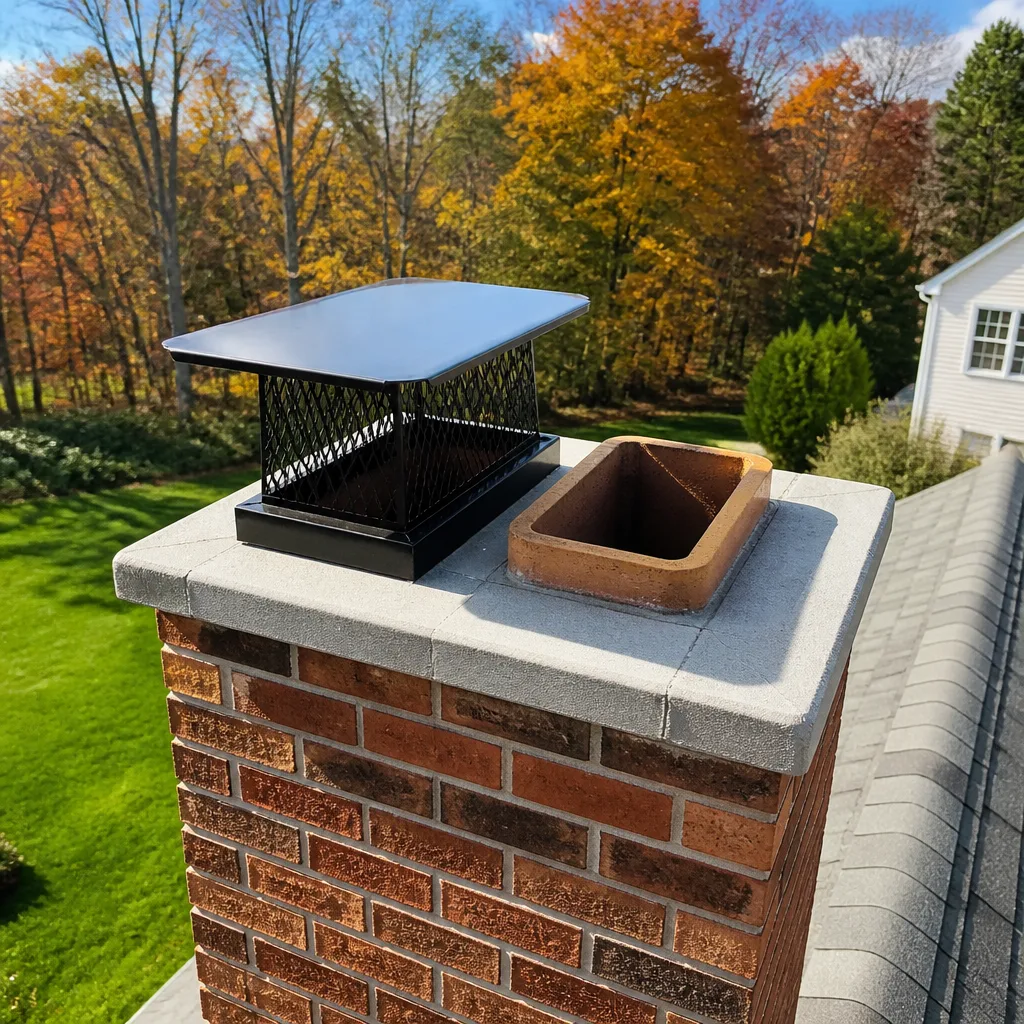
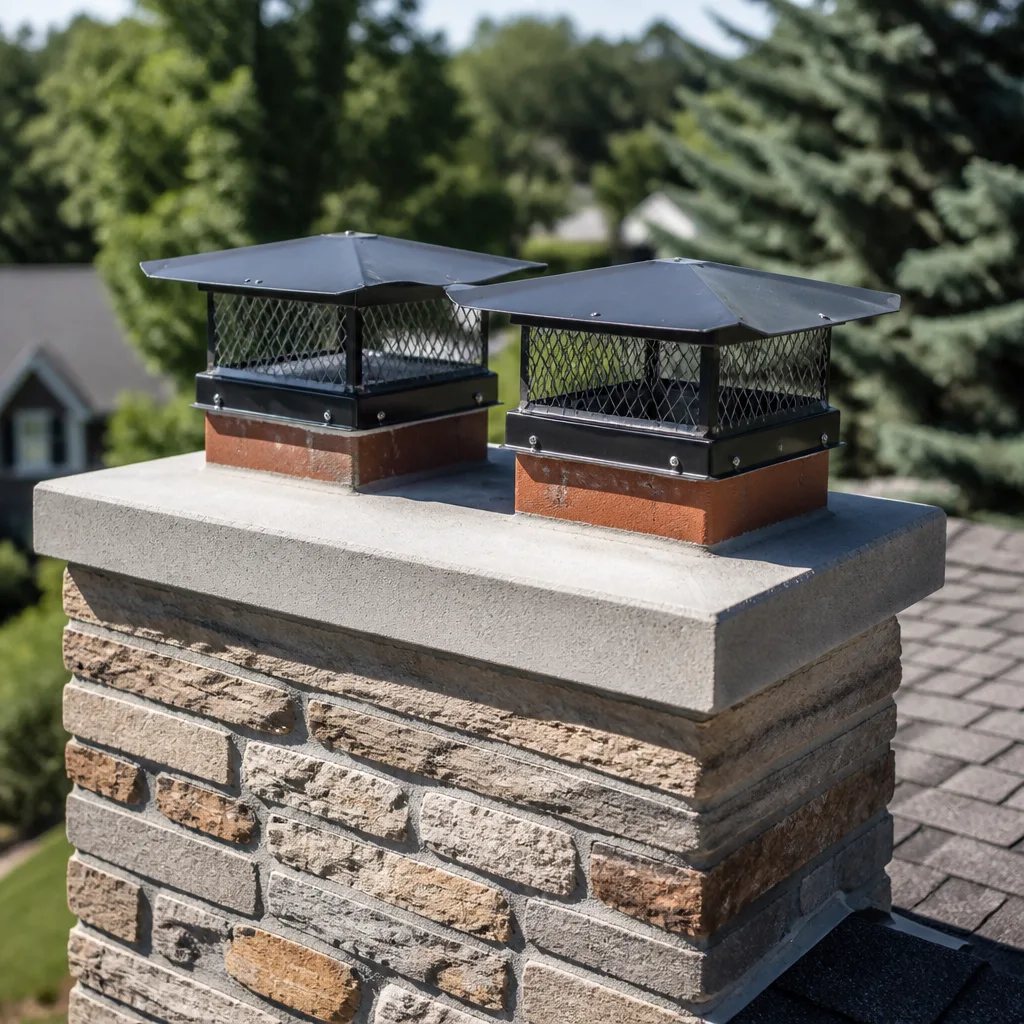
- Chimney crown and cap. A chimney cap & crown that cracked from heat stress lets water in, and water in a damaged flue is how a small problem becomes a rebuild.
- Exterior masonry and mortar joints. Look for cracks that weren’t there before, especially at the roofline.
- Adjacent flues in a shared chase. This is the Bayside-specific step that general checklists miss. Cross-contamination risk goes both ways.
- Attic and framing inspection. If the chimney is enclosed, the surrounding framing needs a look after any flue fire.
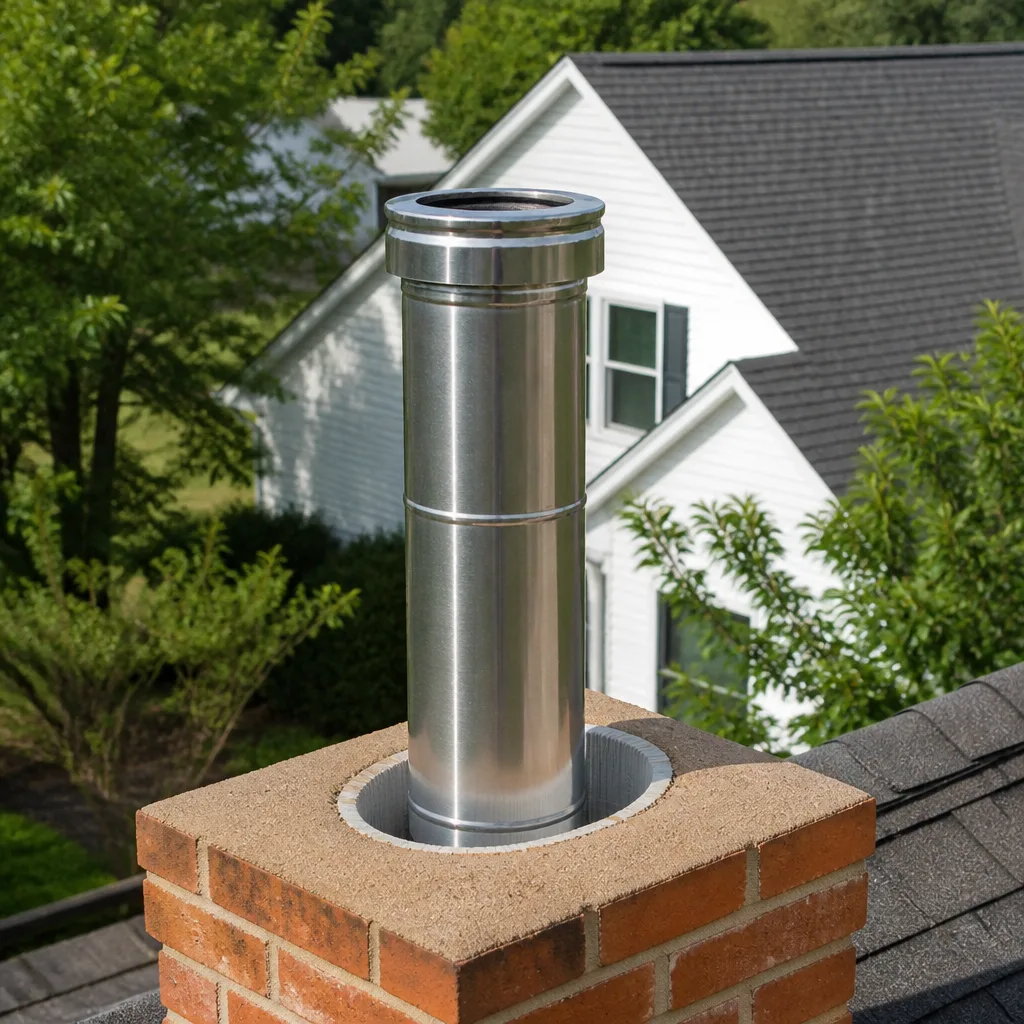
Depending on what the inspection shows, the repair could be as simple as a sweep plus sealing a mortar joint, or it could call for a chimney repair that includes a new liner, crown work, or a rebuild of the damaged section. For liners, we use DuraFlex flexible liner systems because the material handles the thermal cycling a flue goes through, and it’s a system we can install with the same technicians who inspected the chimney. HeatShield ceramic flue resurfacing is the other option we work with, because not every damaged flue needs a full liner replacement. Sometimes the inside of the flue can be resurfaced and brought back to a usable state without tearing the whole chimney down.
How to Build a Chimney Emergency Card for Your Home
A chimney emergency card is a single index card or sheet of paper with the facts a firefighter or a sweep needs to make fast decisions. Tape it inside a kitchen cabinet, near the fireplace, or in your fuse box, and keep a photo of it on your phone.
The card should answer these questions about your home in Bayside:
- Fireplace type: wood-burning firebox, gas insert, pellet stove, or a fireplace with a heating appliance connection.
- Flue type and liner material: clay tile liner, cast-in-place, metal liner (and the brand if you know it), or no liner at all. This is the single most important fact on the card.
- Liner age: the year the liner was installed, if you know it. If you don’t, note “unknown” so anyone reading the card understands the liner hasn’t been documented.
- Last inspection date and inspector. Include the company name and the phone number of your sweep.
- Chimney height and location: interior or exterior wall, and whether the chimney is shared or dedicated.
- Number of flues in the chase if your home has more than one.
- Emergency contacts: your sweep, your plumber, and your gas utility.
What most people miss on the card is the shared-chimney note. In a semi-detached Bayside home, that single line tells a firefighter whether they need to check the neighboring unit. When we build a card with a homeowner, we also offer to write down what we find during a chimney cap & crown inspection, so the card starts with accurate facts rather than guesses. The next time anything goes wrong, the card saves the responder ten minutes of asking questions in your kitchen.
One more thing on the card: a note about the appliances. If your water heater or furnace vents through the same chimney structure, that fact goes on the card too. A blocked or cracked flue serving a gas appliance is a carbon monoxide risk even when the fireplace is cold.
Prevention: The Preparedness Work You Do Before Winter
Emergency preparedness in Bayside is mostly prevention, and prevention is mostly knowing what’s in your flue before you need it. The single most useful thing you can do is book an annual Chimney Sweep Bayside sweep and inspection before the burning season starts.
Here’s what we look for on a routine visit that changes how the winter goes:
- Creosote buildup. Glazed creosote is the fuel for most flue fires. It’s the buildup you can’t clear with a wire brush at home.
- Liner condition. Cracks, gaps, and spalling show up in a camera inspection long before they cause symptoms in the living room.
- Cap and crown. A missing or damaged cap invites birds and squirrels. A cracked crown invites water. Both are easy to fix before winter and expensive to fix after.
- Blockages. Nests, leaf litter, and dead birds show up in Bayside flues more often than homeowners expect. A flue that hasn’t been used since spring can hold a full nest.
- Draft testing. We check that the chimney actually draws when the fireplace is lit and that adjacent exhausts aren’t competing for air.
The brands we work with make this easier. A well-fitted cap from a manufacturer like Olympia Chimney or Famco keeps most wildlife out, and a proper stainless cap doesn’t corrode like cheap galvanized versions. On the repair side, DuraFlex liners and HeatShield flue resurfacing mean the fix can usually happen on the same visit that found the problem. Copperfield’s products come up too when we’re replacing a flue component that has to match existing framing, because the tolerances matter in older Bayside homes where the chase was built around a specific size.
Bayside’s older housing stock adds one wrinkle worth planning for: many homes have masonry chimneys that have been patched over the years with mixed materials. A camera inspection reveals what’s actually there, which is often different from what the last repair suggested. That’s why we do the inspection before the sweep recommendation is final. A clean flue is a safe flue, but only if the flue itself is sound.
Common Mistakes to Avoid
- Slamming the damper shut at the first sign of a flue fire. It feels like the safe move, but it traps hot gases and can push carbon monoxide into the living space. Leave it open and get out.
- Assuming a quiet fire is a small fire. A low roar is often a hotter, more damaging fire than a noisy one. The sound you hear tells you very little about the temperature inside the flue, and the temperature is what cracks liners.
- Skipping the post-fire inspection because “nothing looks damaged.” The visible part of the chimney tells you nothing about the liner. Damage that starts on the inside of the flue doesn’t show up until the next fire.
- Ignoring the neighbor’s chimney. In a semi-detached Bayside home, a flue problem next door is a flue problem you need to know about, because shared chases carry gases both ways.
- Burning again after a blockage without a sweep. If a bird or squirrel got in once, it can get in again, and the next nest sits above the firebox until the first cold night brings it down.
- Relying on a cap that’s missing or damaged. A missing cap is the number one cause of animal blockages we see in Bayside. It’s a small fix that stops a bigger problem.
- Waiting until the first cold night to call a sweep. Preparedness work happens before the burning season, not the evening the fireplace won’t draw. A sweep booked in the fall gives you time to fix what the inspection finds.
See the difference
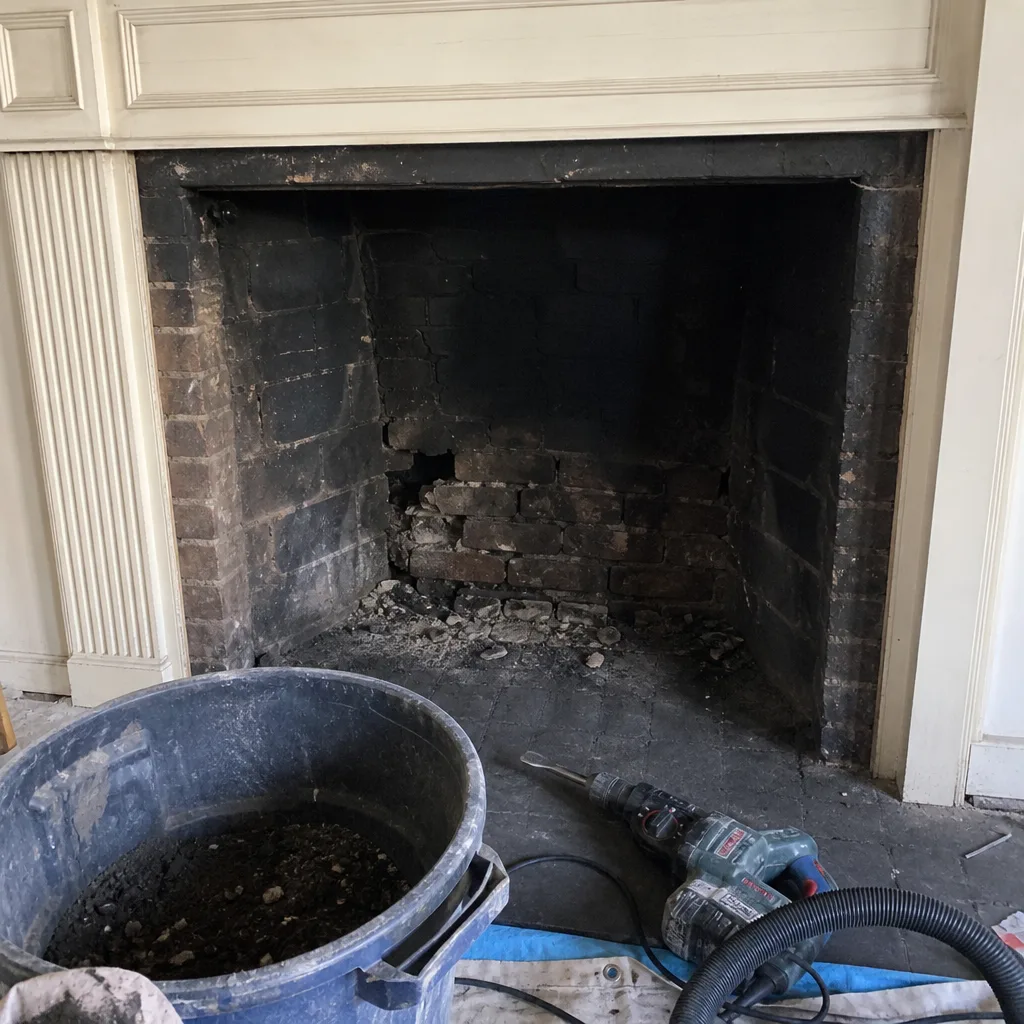 Before
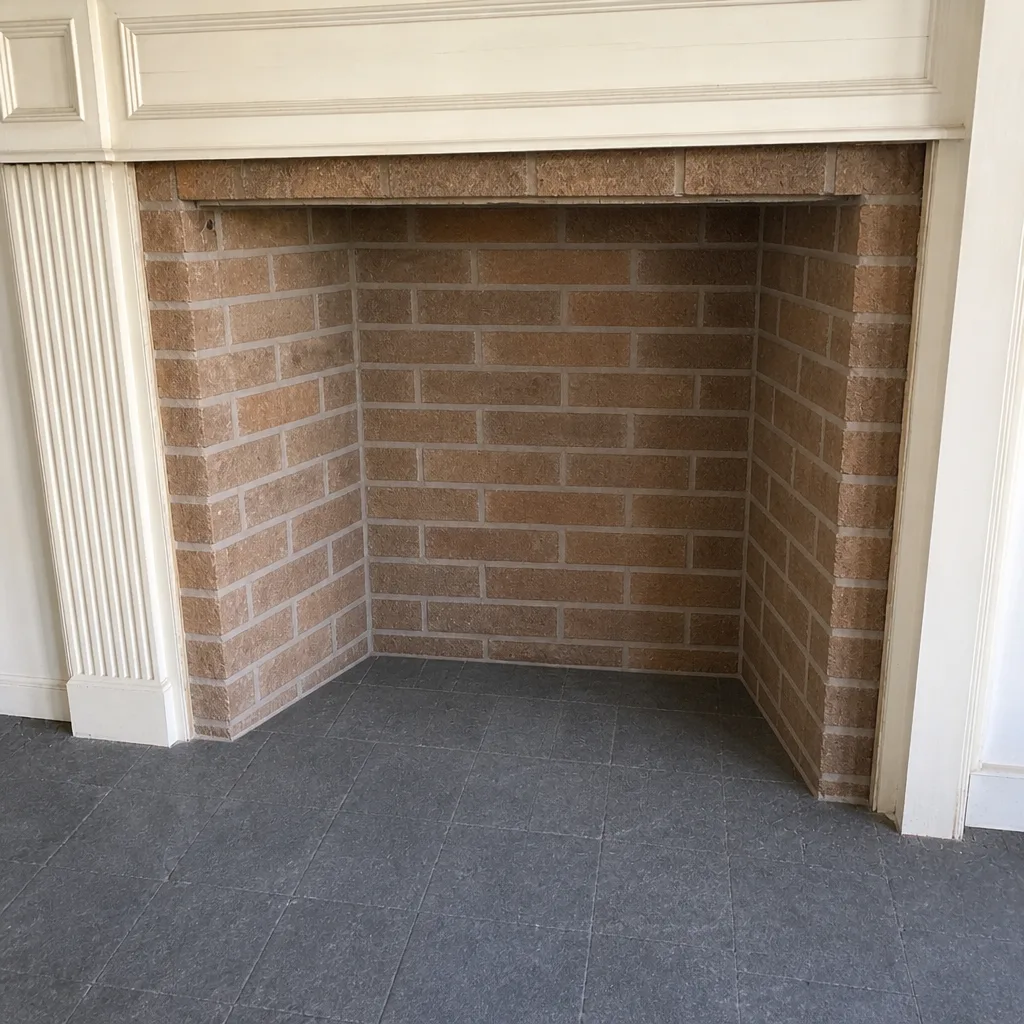 After
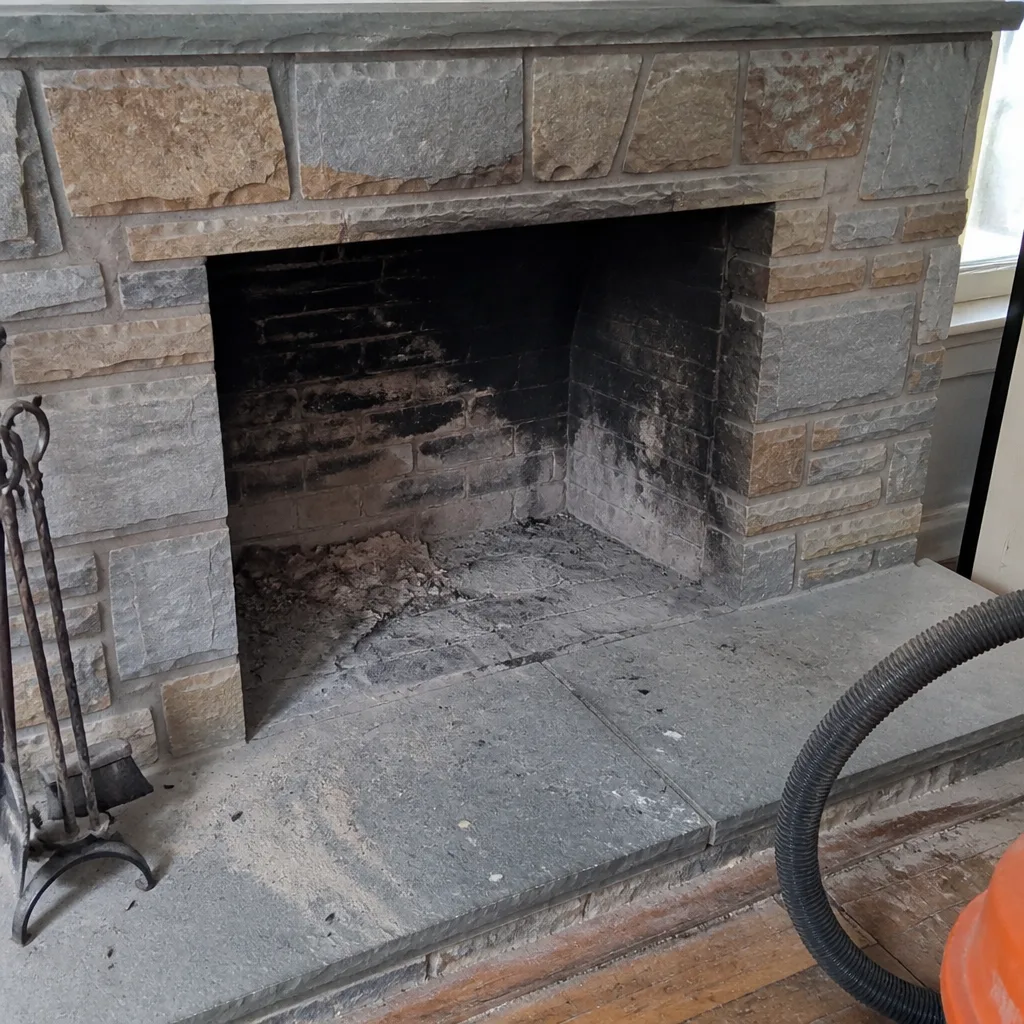 Before
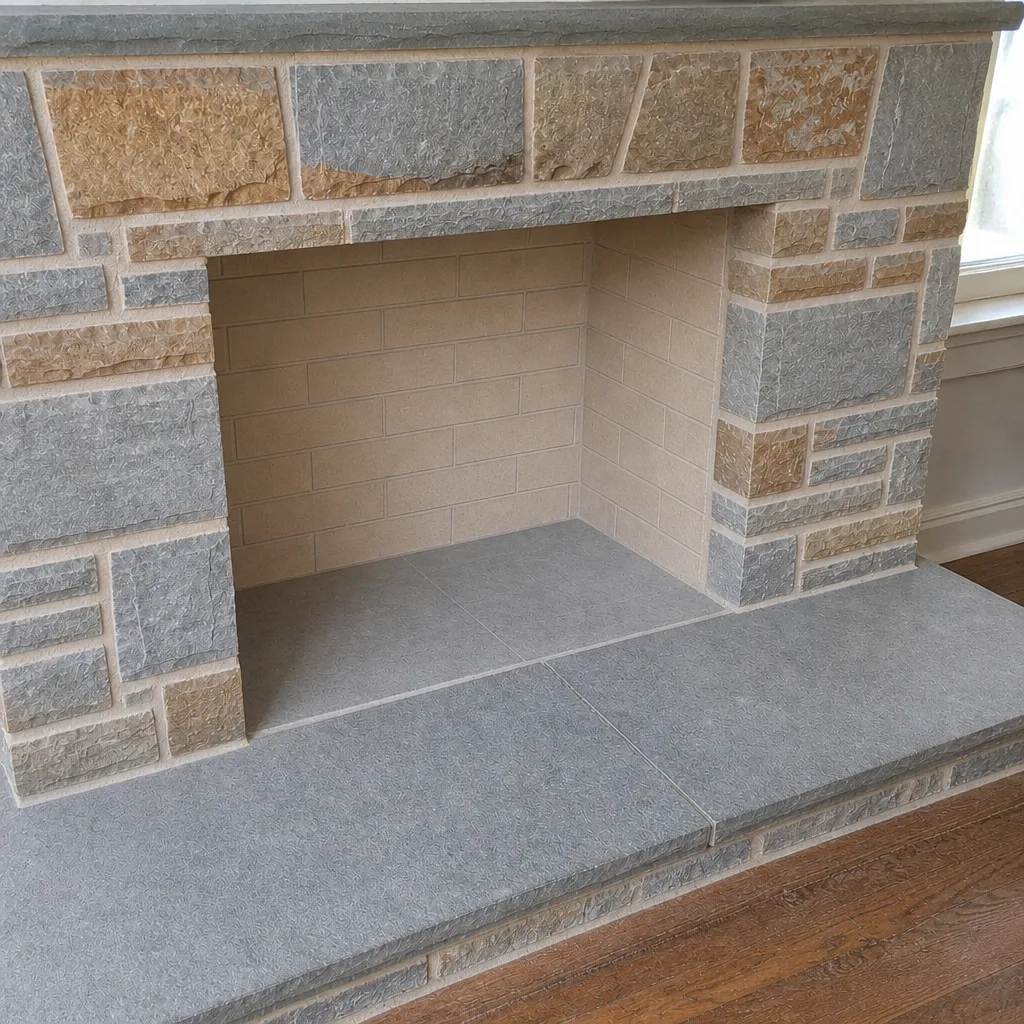 After
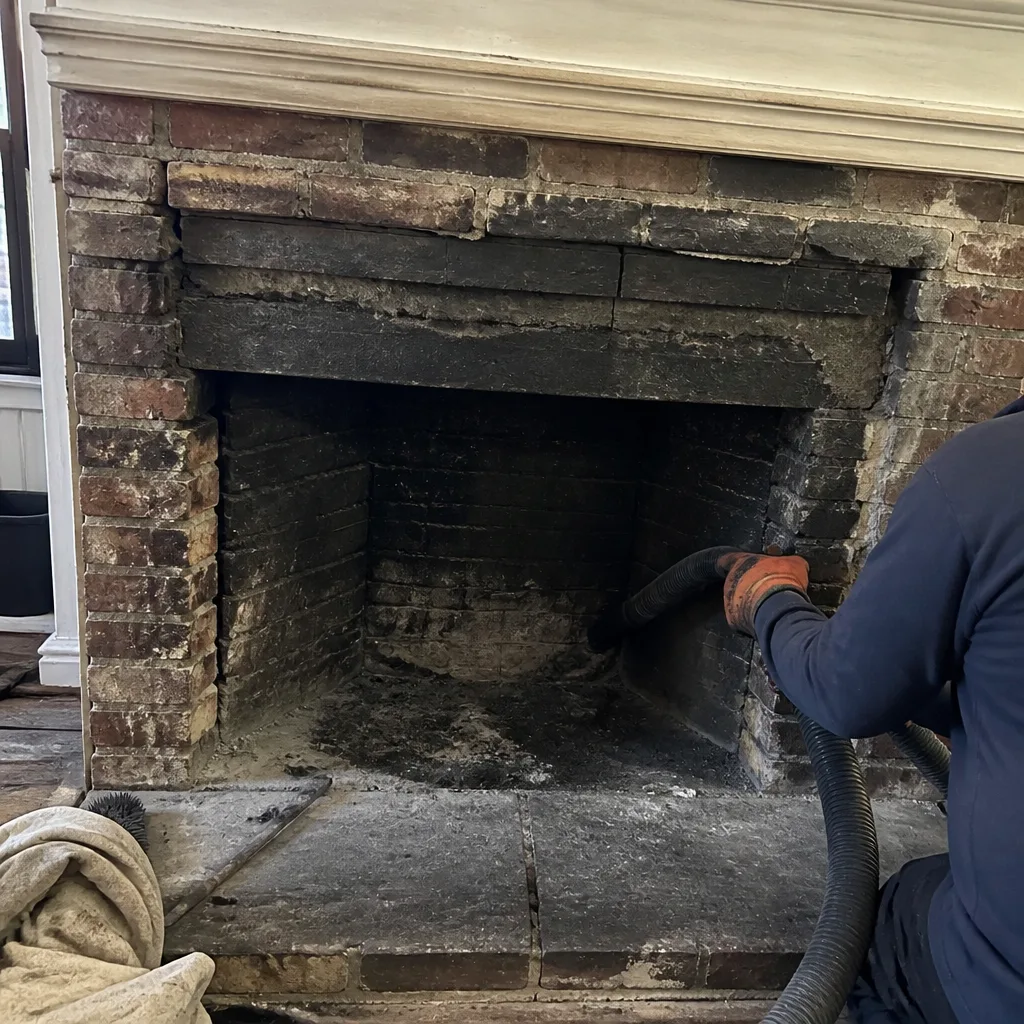 Before
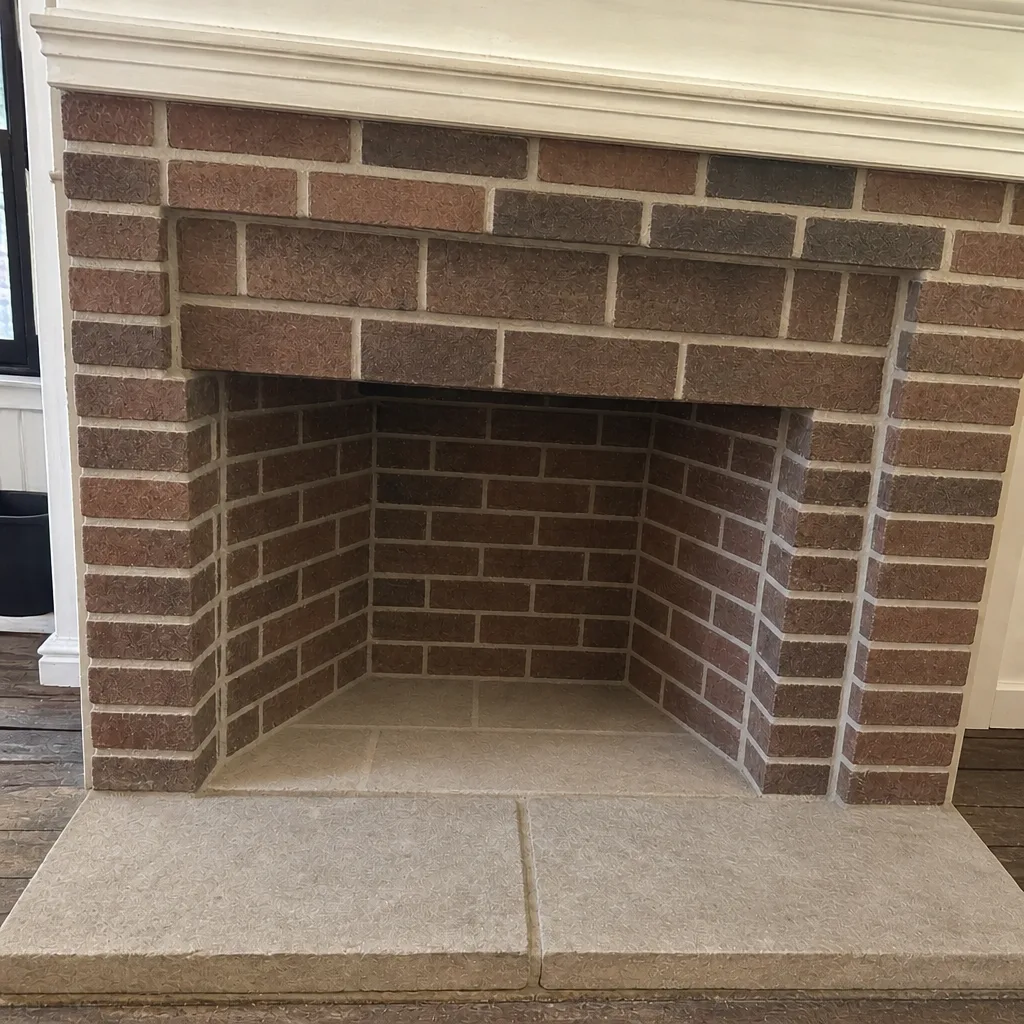 After
When to Call a Professional
Call a chimney professional for anything you can’t verify with your own eyes. That’s the honest rule. Smoke smell in the house after a fire, a hot chimney breast hours after the fire is out, a carbon monoxide alarm that went off and was silenced, a fire that popped or roared, a neighbor’s chimney fire, or a flue that hasn’t been inspected in more than a year: each of those is a sweep-and-inspect call, not a “wait and see if it happens again” call.
We’ll also say plainly when work can wait. A small amount of creosote buildup on a flue that’s already been inspected and cleared doesn’t need immediate action. A crown with a hairline crack that isn’t letting water in can be scheduled. What you shouldn’t wait on is anything that involves a liner of unknown condition, a fire event, or a carbon monoxide event. Those are safety calls, and the cost of checking is small next to the cost of finding out later.
Chimney Sweep Bayside offers free estimates in Bayside. Call (833) 482-5742. We answer 24/7. Fast dispatch from 7am to 7pm, Sunday through Friday. We’ll do a camera inspection and give you a photo report you can look at yourself, so nothing gets recommended that you can’t see evidence for. Our technicians have up to 13 years of experience, and we work with DuraFlex, HeatShield, Gelco, Olympia Chimney, Famco, and Copperfield on the repair side, so sweep, inspection, cap work, and repair all come from the same company.
Frequently Asked Questions
The reliable signs are a loud roar or a low rumble in the flue, a chimney breast that’s hot to the touch, dark smoke or puffs of smoke coming from the chimney top, a strong creosote smell in the house, and a carbon monoxide alarm that goes off during or after a fire. Some fires present with none of those. A professional camera inspection is the only way to confirm a fire happened, which is why we recommend an inspection after any suspected event, however small. Call (833) 482-5742 for a free estimate on the inspection.
No. Leave the damper open and get out of the house. Closing the damper on a flue fire traps hot gases and can push smoke and carbon monoxide into the living space, and it doesn’t reliably put the fire out because creosote keeps burning without fresh air. Close the glass doors or screen instead, call 911, and wait outside. Call (833) 482-5742 after the fire department clears the scene to get the chimney inspected before you use it again.
Because shared and adjacent chimney chases let gases cross between units through cracked mortar joints and failed liners. If a neighbor’s flue is compromised, carbon monoxide can travel through the shared masonry into the flue serving your fireplace, even if your own liner looks fine. Working carbon monoxide alarms on every floor, and an inspection of your own flue after a neighbor’s chimney issue, are the two things that close that gap. Call (833) 482-5742 to book an inspection.
Get everyone out of the room, crack a window, extinguish the fire in the firebox without spraying water into the fireplace, and call 911 if the smoke is thick or anyone feels short of breath. If the fire is out, the smoke is clearing, and no one has symptoms, call a sweep to clear the blockage and check for damage. A blockage doesn’t clear itself, and the next fire brings it back down. Call (833) 482-5742 for a free estimate.
Not until a professional has inspected the flue from the inside and confirmed the liner, smoke chamber, crown, and surrounding masonry are sound. A fire that seemed small can crack a clay tile liner, and using the fireplace again before that’s checked risks a second, more dangerous event. Most inspections happen within a few days of the event. Call (833) 482-5742 to schedule the post-fire inspection.
Once a year during the burning season is the standard recommendation, plus an inspection any time there’s been a fire event, a blockage, a carbon monoxide alarm, or a neighbor’s chimney problem. Homes that burn often, or that burn unseasoned wood, need the sweep more often than the inspection. Homes that use the fireplace only occasionally still need the annual inspection, because liner damage happens whether or not you’re burning. Call (833) 482-5742 for a free estimate.
The Bottom Line
The point of this guide is simple: chimney emergencies in Bayside are survivable and usually fixable, but they’re not the moment to figure out your response. The mental plan goes in ahead of time. Out, call 911, contain the firebox, leave the damper open. Carbon monoxide alarms on every floor. An emergency card taped near the fireplace with your flue type, liner age, and last inspection date. A professional camera inspection after any fire event, however small, and a clear-eyed check on the neighbor’s flue if you share a chase. Do that groundwork before the season starts, and the first five minutes of any emergency go the way they should.
Written by the team at Chimney Sweep Bayside.