
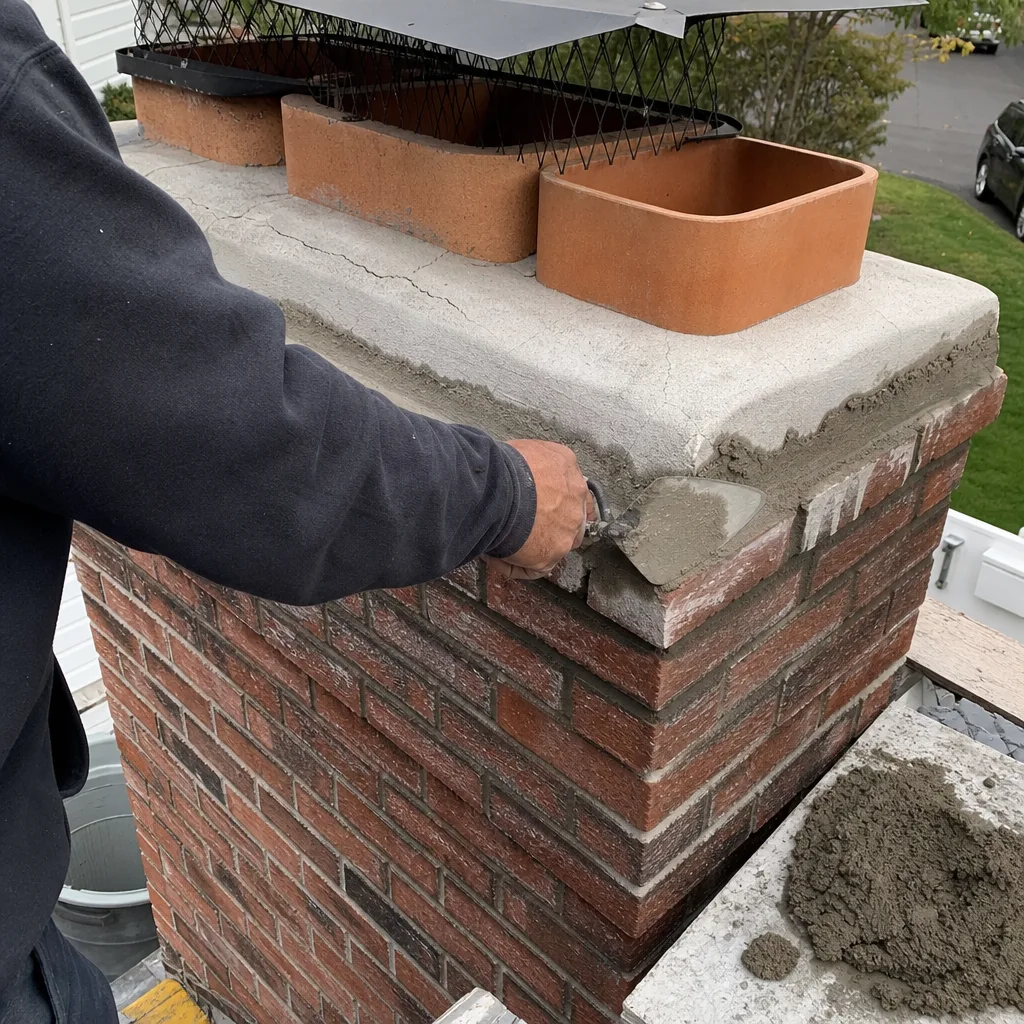
Last updated November 25, 2026
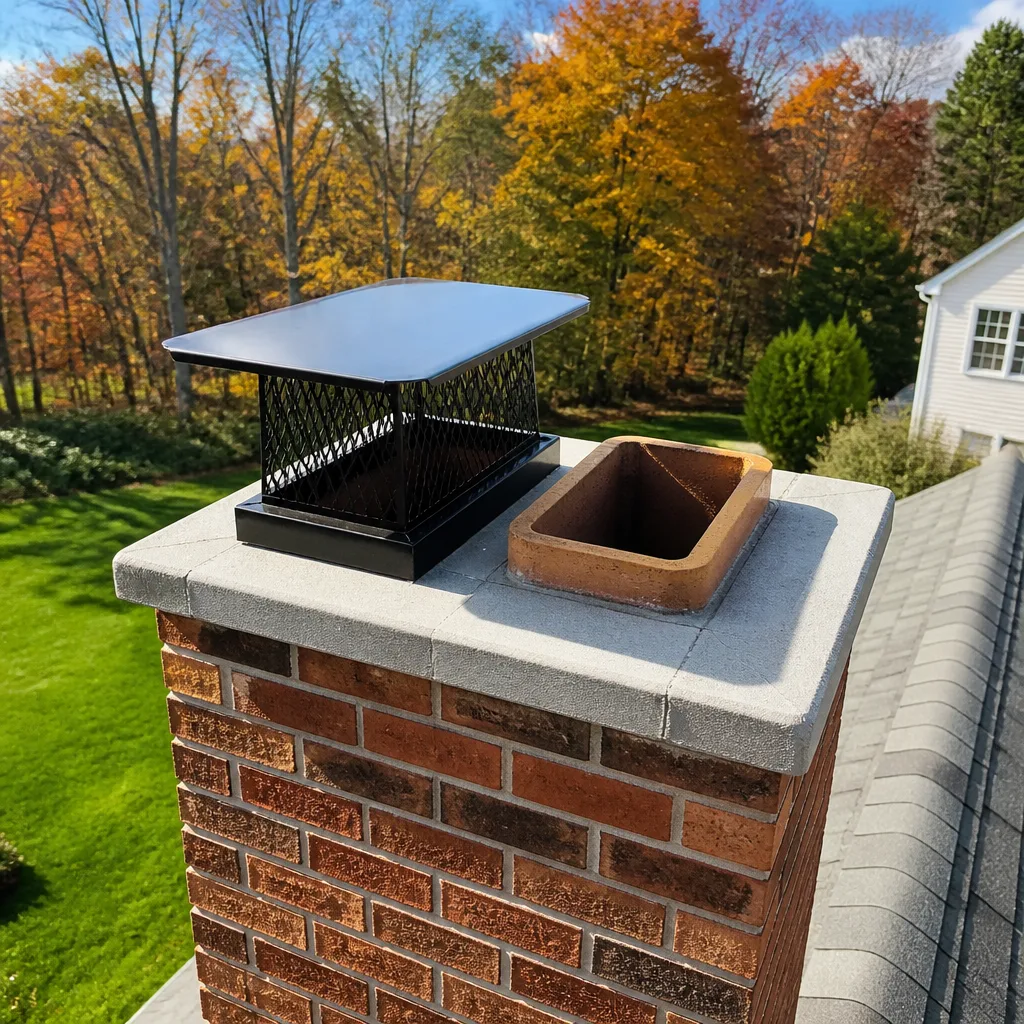 Sweep & inspection
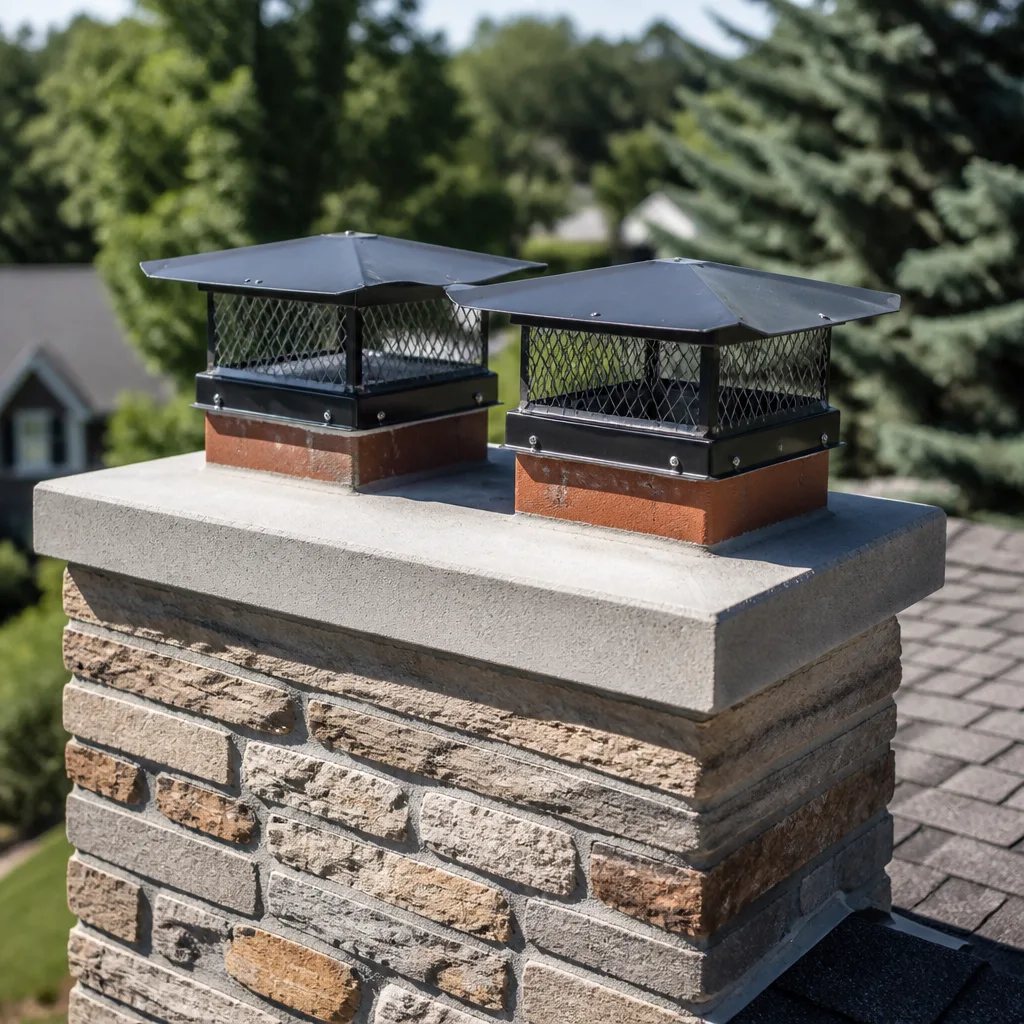 Caps & crowns
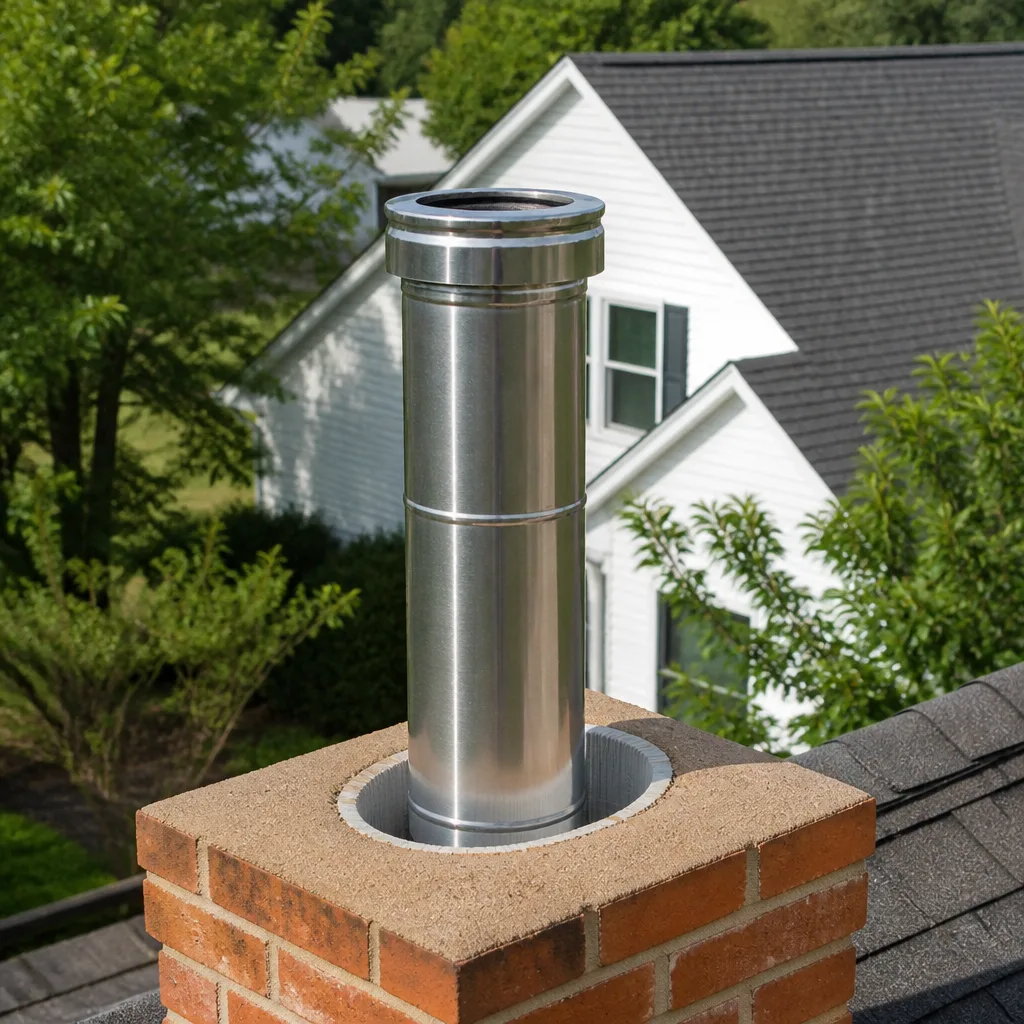 Flue relining
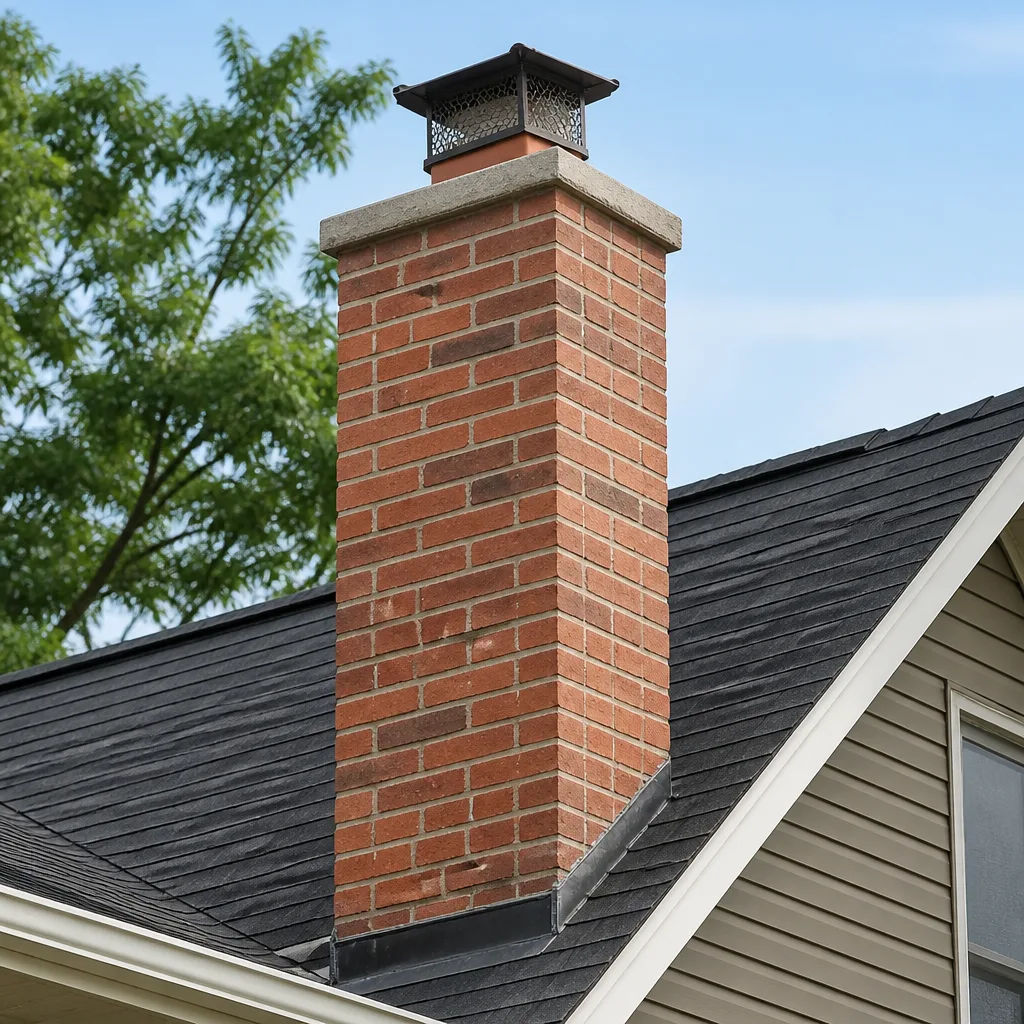 Masonry repair
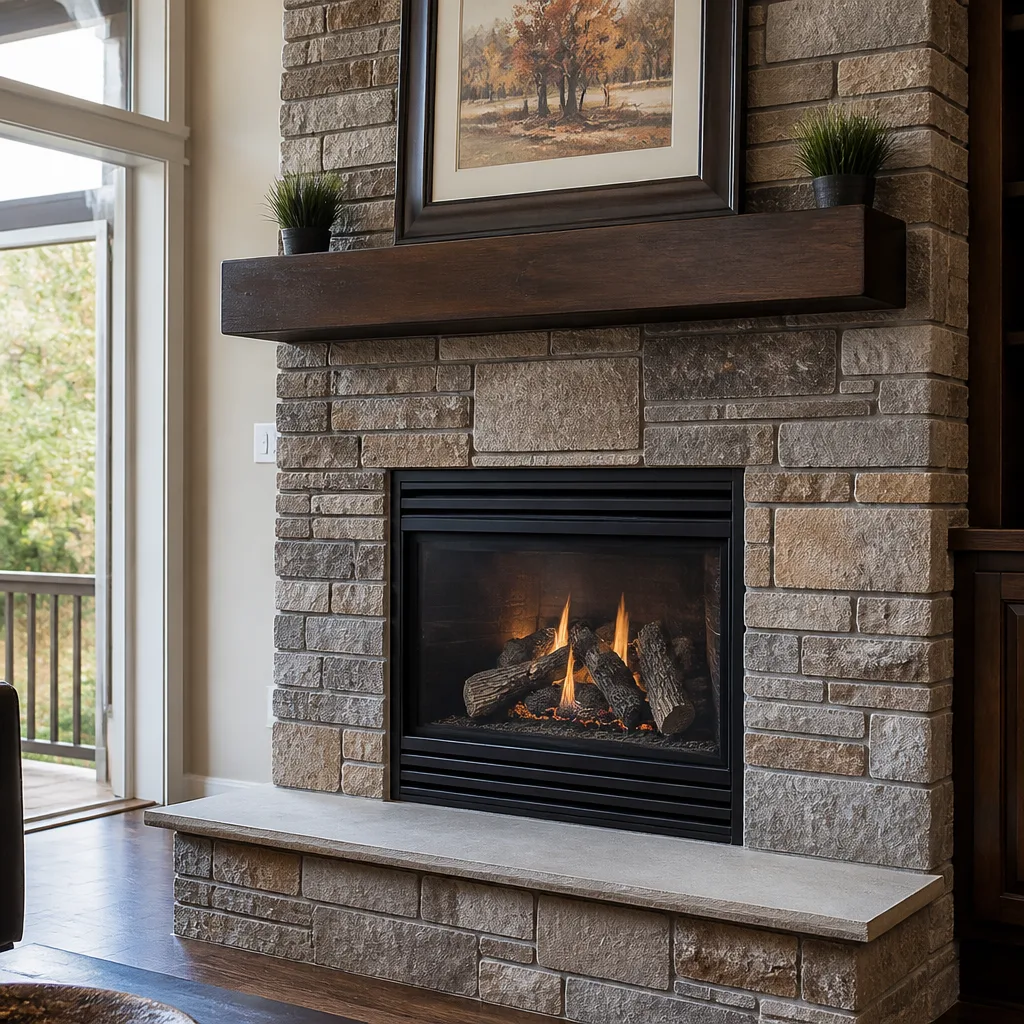 Gas fireplace service
Level 1 sweep and inspection to the NFPA 211 annual standard - flue, crown, cap, and flashing checked and photographed
Chimney sweep logs do not sweep chimneys. They loosen some creosote - which then falls where a brush and vacuum still have to collect it.
The Complete Guide to Chimney Cleaning in Bayside
Most people assume chimney cleaning is a brush, a vacuum, and a bill. Here’s what we’ve learned: the sweep itself is the easy part. The real work is reading what the flue tells you once it’s clean. In Bayside, most homes went up between 1920 and 1960, which means many chimneys here have outlived two or three different fuel types and carry the residue of every one. A flue that burned oil in the 1950s, then gas after a conversion, then wood on weekends doesn’t wear one residue profile. It wears three. This guide walks through what a real cleaning involves, how Bayside’s housing stock affects access and inspection, and why a proper sweep is diagnostic work, not maintenance theater.
Quick Answer
Chimney cleaning in Bayside means removing creosote, soot, and obstruction from the flue, then inspecting the liner, smoke chamber, and cap to confirm the whole system is sound. A proper cleaning includes a camera inspection so you see what we see, not just a brush run down the chimney. For most wood-burning homes, that means once a year, and for gas fireplaces, an annual inspection with cleaning as needed.
Styles & brands we work with
- Sweep & inspection
- Caps & crowns
- Flue relining
- Masonry repair
- Gas fireplace service
Table of Contents
- Why Bayside Chimneys Are Different
- What a Real Cleaning Actually Involves
- Housing Stock and Cleaning Access
- The Oil-to-Gas Residue Profile
- Levels of Inspection Explained
- How Often Should You Clean Your Chimney?
- What Happens If You Skip It?
- Signs Your Chimney Needs Attention Now
Why Bayside Chimneys Are Different
Bayside sits close to Jamaica Bay, and that proximity shapes what happens inside a chimney. Air that holds more moisture changes how creosote forms. Creosote starts as a soft, flaky deposit that’s easy to brush away. But when it stays damp, it hardens faster into stage-2 crust and then stage-3 glaze, the tar-like layer that bonds to the flue wall and resists ordinary sweeping. Inland properties dry out between burns. Bayside chimneys often don’t.
That matters because stage-3 creosote is both harder to remove and more combustible. A flue carrying heavy glaze is a flue at higher risk of a chimney fire, and no sweep can brush it out with a standard brush. It takes rotary cleaning, chemical treatment, or in some cases resurfacing with a product like HeatShield to restore the liner surface.
The same moisture dynamic works on the outside of the chimney too. Mortar joints absorb and release moisture through seasonal cycles, and a chimney that stays damp longer degrades faster. In our experience, Bayside chimneys show crown cracking and spalling brick sooner than chimneys in drier parts of Queens. That’s why our chimney cap & crown work is often tied to a cleaning visit: once the flue is clear, we inspect the top and catch water entry before it reaches the smoke chamber.
None of this is a reason to panic about a Bayside chimney. It’s a reason to have it looked at on schedule and to pay attention to what the sweep finds. A flue that’s cleaned and inspected every year tells you when something changes. A flue that’s ignored gives no warning until a problem is expensive.
What a Real Cleaning Actually Involves
A brush-and-vacuum sweep is one step of a proper cleaning, not the whole job. Full-lifecycle cleaning means the technician works from the firebox to the chimney cap and records what each part looks like. Here’s the sequence we follow:
- Protect the room. Drop cloths and a sealed vacuum setup keep soot out of the living space. This is prep, but it’s also a signal: a technician who skips it is likely to skip the inspection too.
- Inspect the firebox and damper. Cracks in the firebox brick, a damper that doesn’t seat, or a warped grate all point to how the fireplace has been used and whether combustion has been efficient.
- Camera the flue. A flue camera shows the liner condition from top to bottom: gaps, spalling, offset tiles, and the extent of any glaze. We show the footage, not just a verdict.
- Clean the flue. Standard brushes for stage-1 deposits; rotary or chemical methods for stage-2 and stage-3. The method follows the residue, not the calendar.
- Clean the smoke chamber. This is the tapered zone above the damper where smoke slows and soot collects. It’s often skipped by quick sweeps and it’s one of the most common places we find buildup.
- Inspect the cap and crown. A cracked crown, a missing cap screen, or a loose flue tile lets water and animals in. Small repairs here prevent large ones below.
- Report and document. You get photos, a description of what we found, and an honest account of what can wait versus what shouldn’t.
That last step is the one homeowners value most. Years of experience on our technicians means they’ve seen enough chimneys to know the difference between a minor flaw to monitor and a liner problem to fix now. If nothing needs work, we say so. A clean flue that’s sound is a finished job.
Housing Stock and Cleaning Access
Bayside’s chimney construction falls into two rough groups, and each presents different cleaning access. Pre-war homes, roughly the 1920s through the 1940s, tend to have brick chimneys built into interior walls, often with multiple flues serving different fireplaces and old furnace connections. Postwar homes, from the late 1940s into the 1960s, more often have exterior chimneys with a single flue and a simpler crown.
Each style changes the job:
- Interior multi-flue chimneys mean one flue may still serve a fireplace while another is capped or abandoned. Cleaning just one without inspecting the others can leave an unused flue full of old debris or a broken tile nobody’s looking at.
- Exterior chimneys are more exposed to weather, so crowns and mortar joints degrade faster. They’re also easier to access from the roof, which makes cap and crown work simpler.
- Terra cotta tile liners are common in both eras. They crack with age and heat cycling, and a cracked tile lets creosote and heat reach the surrounding masonry. Camera inspection is the only reliable way to catch that.
- Offset flues in some pre-war homes bend partway up, which can block a straight brush. Those need flexible rods and a technician who expects the offset.
Age isn’t automatically a problem. A well-built 1935 chimney in Bayside can be in better shape than a 1995 one. But older chimneys have usually been modified by previous owners, and those modifications are what a proper chimney inspection is designed to reveal.
The Oil-to-Gas Residue Profile
Many Queens homes, Bayside included, heated with oil before converting to gas. That history leaves a residue profile that a sweep needs to account for. Oil-fired appliances produce a sooty, sulfur-tinged deposit that behaves differently from wood creosote and from the light residue of a gas fireplace. When a flue that served oil is later used for wood, the layers stack.
We ask about conversions, because a flue that burned oil for years has a different residue chemistry than one that always ran wood or gas. The questions we ask before a cleaning are simple:
- What fuel does the fireplace burn now, and what did it burn before?
- Is the furnace still on the same flue, or does it vent separately?
- When was the last time the flue was cleaned, and what did they find?
- Has the fireplace been used heavily, occasionally, or sealed off?
Those answers change the cleaning method. Old oil residue can harden into a crust that ordinary brushing skips over, and mixing it with fresh wood creosote makes the deposit denser. If the liner surface is deteriorating from years of acidic residue, cleaning alone won’t fix it. That’s where HeatShield ceramic resurfacing comes in: it restores a smooth, protected flue surface rather than leaving a pitted one that grabs the next deposit faster. If the liner is beyond resurfacing, a DuraFlex flexible liner replacement is the next step, and we handle that in-house with the same technicians who diagnosed the problem.
Levels of Inspection Explained
Chimney inspections follow a three-level standard. A cleaning visit usually includes a Level 1 or Level 2 inspection, and knowing which applies helps you understand what you’re paying for.
Level 1 is the standard annual check. It covers readily accessible parts of the chimney and fireplace: the firebox, damper, visible flue, cap, and crown. It’s appropriate when the appliance hasn’t changed and there’s no known problem. Most routine cleaning visits in Bayside fall here.
Level 2 goes further, with a camera inspection of the full flue and access to concealed areas like the attic and crawlspace where the chimney passes through. It’s the right level when the fuel type has changed, after a chimney fire, when buying or selling a home, or after an earthquake or major storm. In Bayside, where so many homes have conversion history, Level 2 is more often appropriate than homeowners expect.
Level 3 is rare. It applies when a serious hazard is suspected and parts of the chimney need to be opened up, such as removing a wall section to reach a concealed flue. It’s diagnostic surgery, not routine.
Which level applies isn’t always obvious before we arrive. A Level 1 can turn into a Level 2 mid-visit if the camera shows something the visible portion didn’t. We explain the upgrade before doing it, so you know why.
How Often Should You Clean Your Chimney?
Once a year for a wood-burning fireplace in regular use, and once a year for inspection even if the fireplace sees light use. The general rule most chimney professionals follow is to clean when there’s a quarter inch of creosote buildup in the flue, but you can’t measure that without looking, so the annual visit is how you find out.
In Bayside specifically, the humid air near Jamaica Bay can push creosote to harden faster than it would inland. That makes the annual schedule more important, not less. Homes that burn wood regularly, especially with unseasoned wood, will produce more creosote and may need more frequent cleaning.
A few factors that shorten the interval:
- Burning green or unseasoned wood, which produces more creosote
- Restricting the air supply to slow a fire, which cools the smoke and lets creosote condense
- A flue that’s oversized for the fireplace, which keeps smoke cooler and slower
- Short, hot fires followed by long idle periods, which cycle the flue between hot and damp
Gas fireplaces produce far less creosote, but they still need an annual inspection. Gas appliances can produce moisture and, if something’s wrong with combustion, carbon monoxide. An inspection catches venting problems and blockages a gas fireplace owner would never notice.
What Happens If You Skip It?
Skipping a cleaning doesn’t fail loudly. It fails quietly, over a few seasons, and then all at once. The first consequence is reduced draft: a flue lined with creosote narrows, smoke backs up into the room, and the fire burns poorly. The second is risk of a chimney fire, since heavy creosote is combustible. The third is structural: moisture trapped against a deteriorating flue wall damages the masonry around it.
For gas, the silent risk is carbon monoxide. A blocked or damaged flue that can’t vent combustion gases sends them back into the home. That’s why a gas fireplace still needs an annual inspection even though there’s no visible soot problem.
Here’s the honest part, and it’s what we tell every homeowner: not everything a sweep finds needs fixing immediately. Some flues will hold for another few seasons with monitoring. What we won’t do is recommend liner or masonry work you can’t verify. Every recommendation comes with camera evidence you can see: footage of the flue, photos of the crack or the glaze. If a problem can safely wait, we tell you that too, and we note it so the next inspection checks it. A clean flue is a safe flue, and catching a problem early is what keeps it from becoming a large one.
Signs Your Chimney Needs Attention Now
A flue can develop problems between annual cleanings, and some signs shouldn’t wait for the next scheduled visit. The ones that matter most:
- Smoke backing into the room, especially when you first light the fire or when another appliance in the house is running. This points to a draft or blockage issue.
- A strong, acrid, or smoky smell even when the fireplace is off. That usually means creosote buildup or a downdraft problem.
- Visible creosote: dark crusty or shiny deposits on the damper, firebox walls, or visible flue.
- Water stains or white efflorescence on the chimney exterior or ceiling near the chimney, which points to a failing crown or cap.
- Loose or missing mortar between bricks, or a chimney that leans slightly.
- A failed cap screen with debris or animals inside the flue.
If you notice any of these in a Bayside home, get the chimney inspected before the next fire. Some of these indicate structural issues that could compromise the flue. The chimney repair work that follows depends on what the camera shows, but the diagnostic has to come first.
Common Mistakes to Avoid
- Assuming a brush-and-vacuum is a full cleaning. It covers the flue but not the smoke chamber, cap, or crown. A cleaning visit should cover the whole system, from the firebox to the chimney cap.
- Skipping the camera inspection. Without it, you can’t see a cracked tile, an offset flue, or glaze that a brush won’t remove. Ask to see the footage.
- Ignoring the oil-to-gas conversion history. In Bayside, that history changes the residue profile and the cleaning approach. Mention it when you book.
- Treating a gas fireplace as maintenance-free. Gas produces less creosote but still needs an annual inspection for venting and carbon monoxide risk.
- Letting a mortar or crown problem go. Water entry is the most common path to expensive chimney repair in Bayside, and it’s the most preventable.
- Hiring on price alone. A cheap sweep that skips the inspection and reports nothing is not cheaper. You’ve just paid for half the job.
- Ignoring a known liner problem. A cracked liner doesn’t fail on its own schedule. It fails when you least expect it, and it’s not a job for a general handyman. It needs a chimney professional.
See the difference
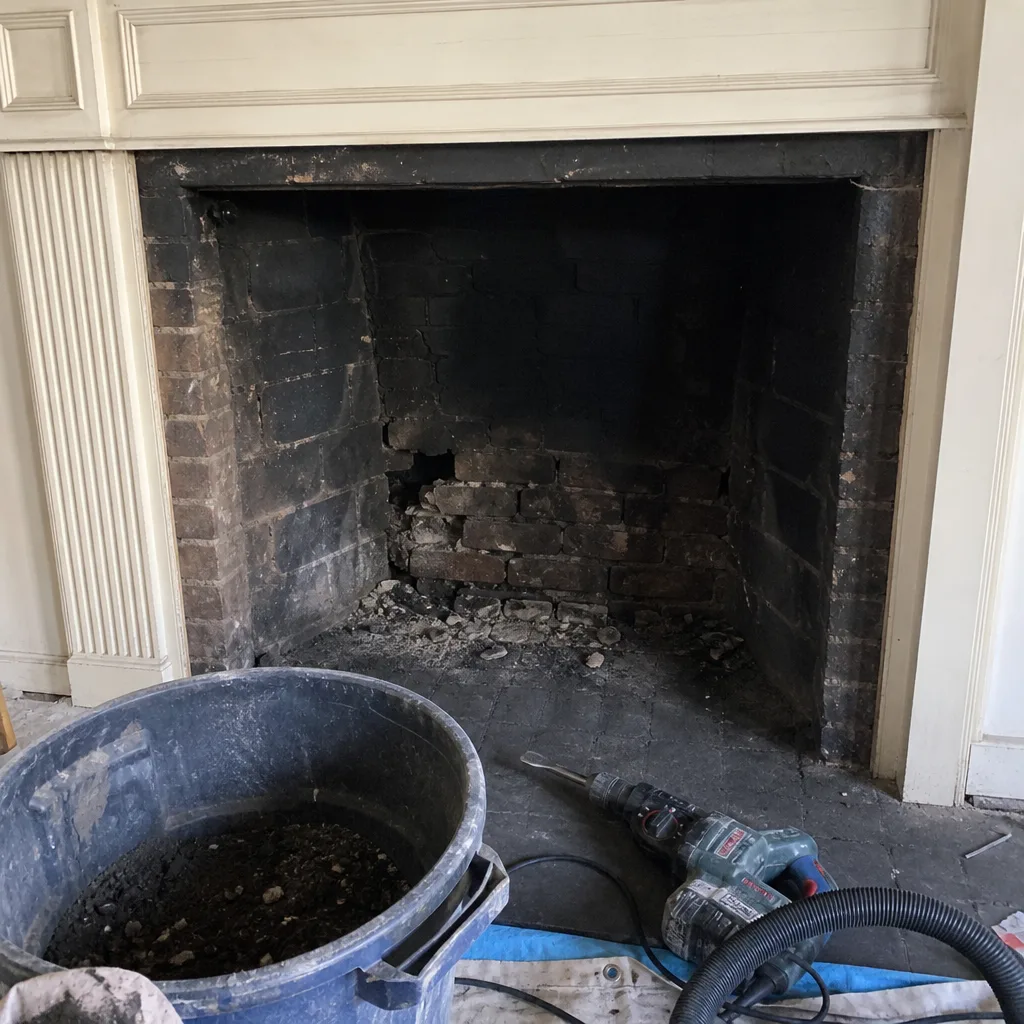 Before
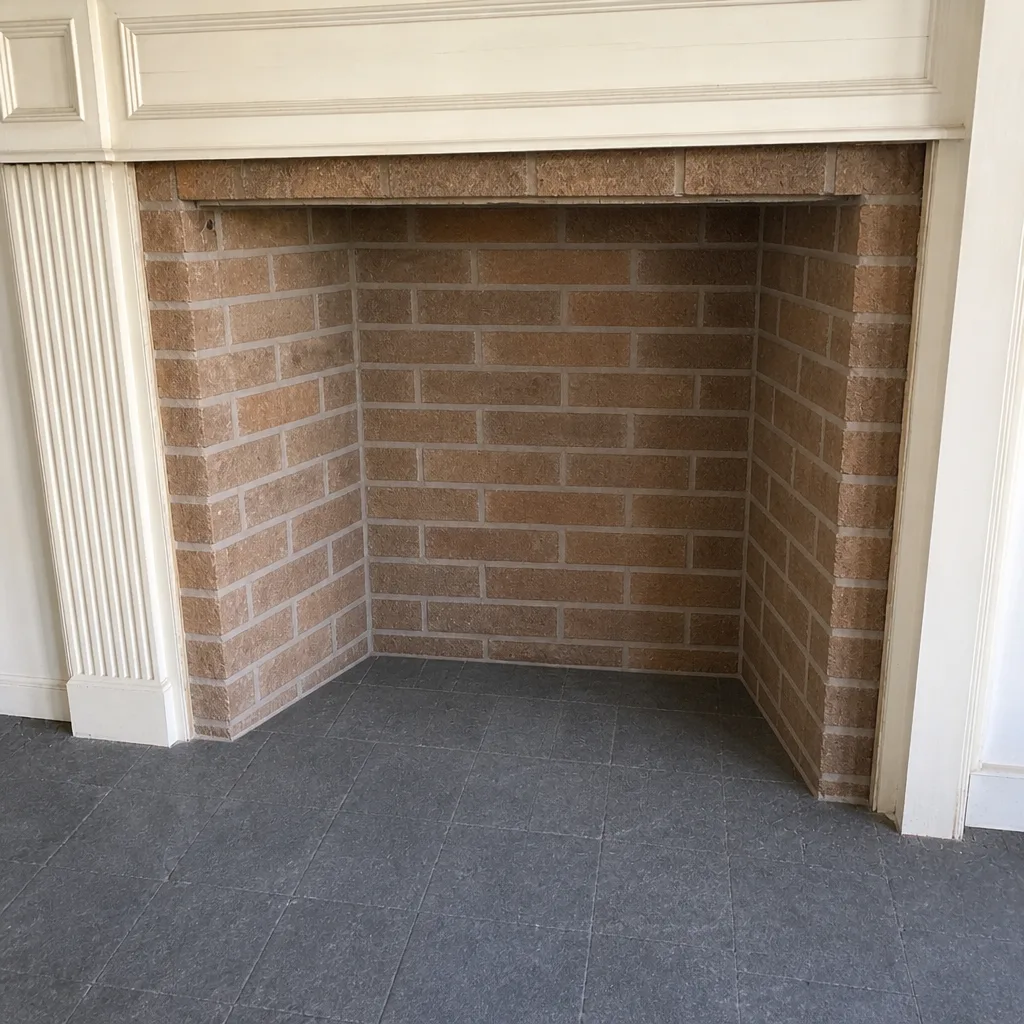 After
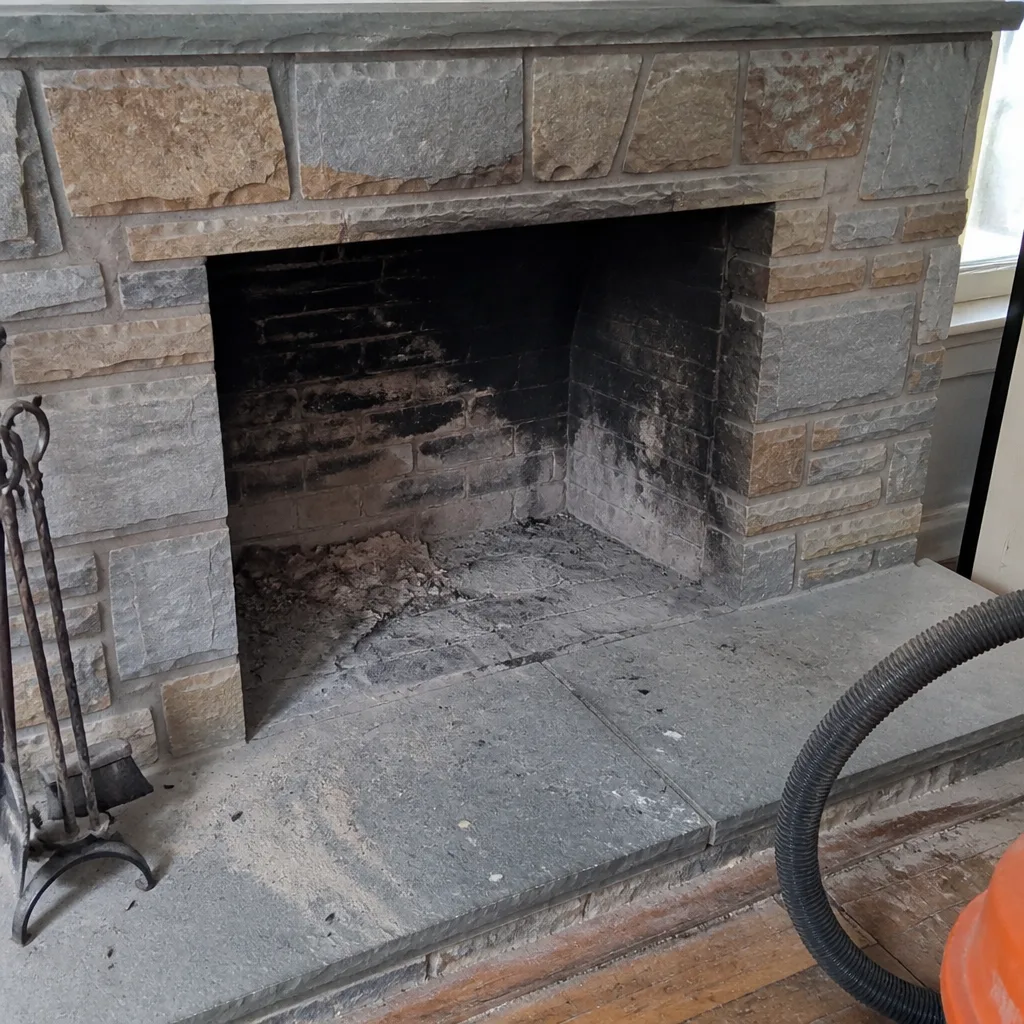 Before
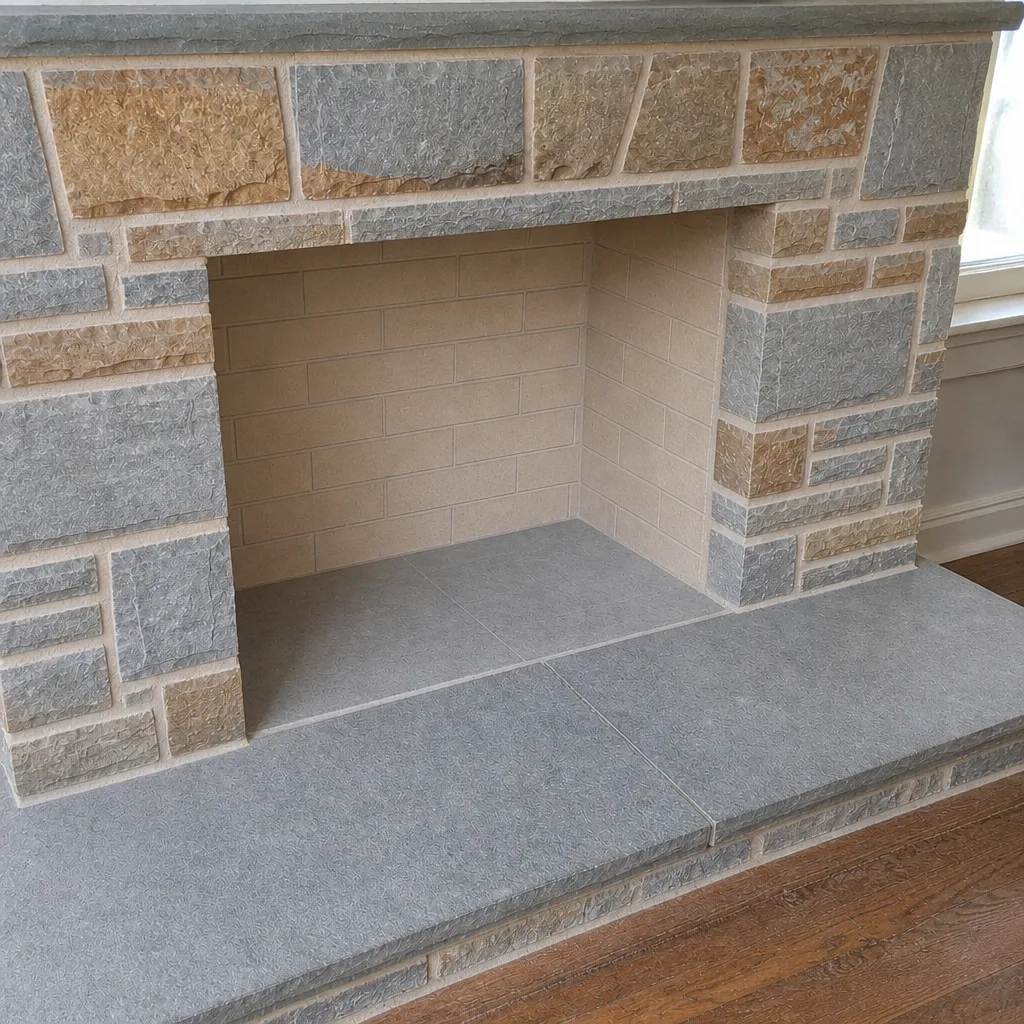 After
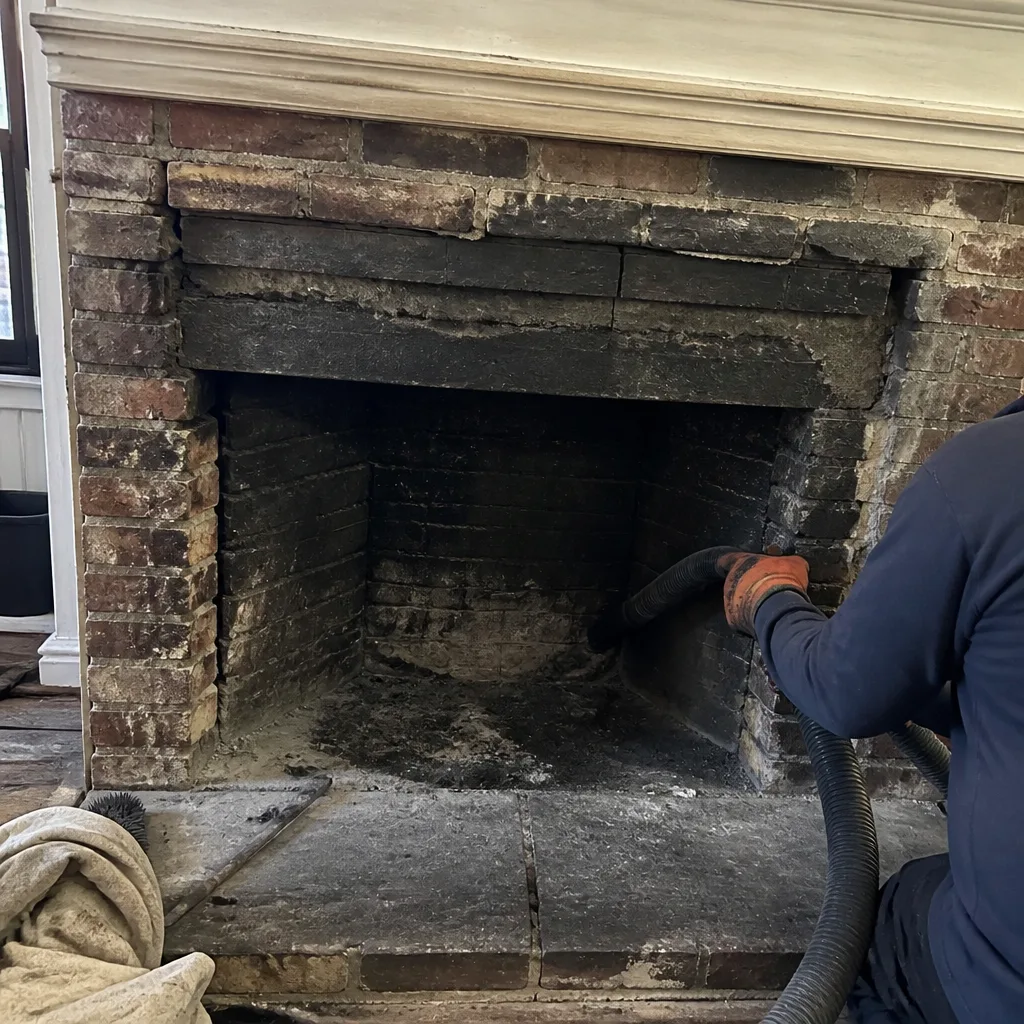 Before
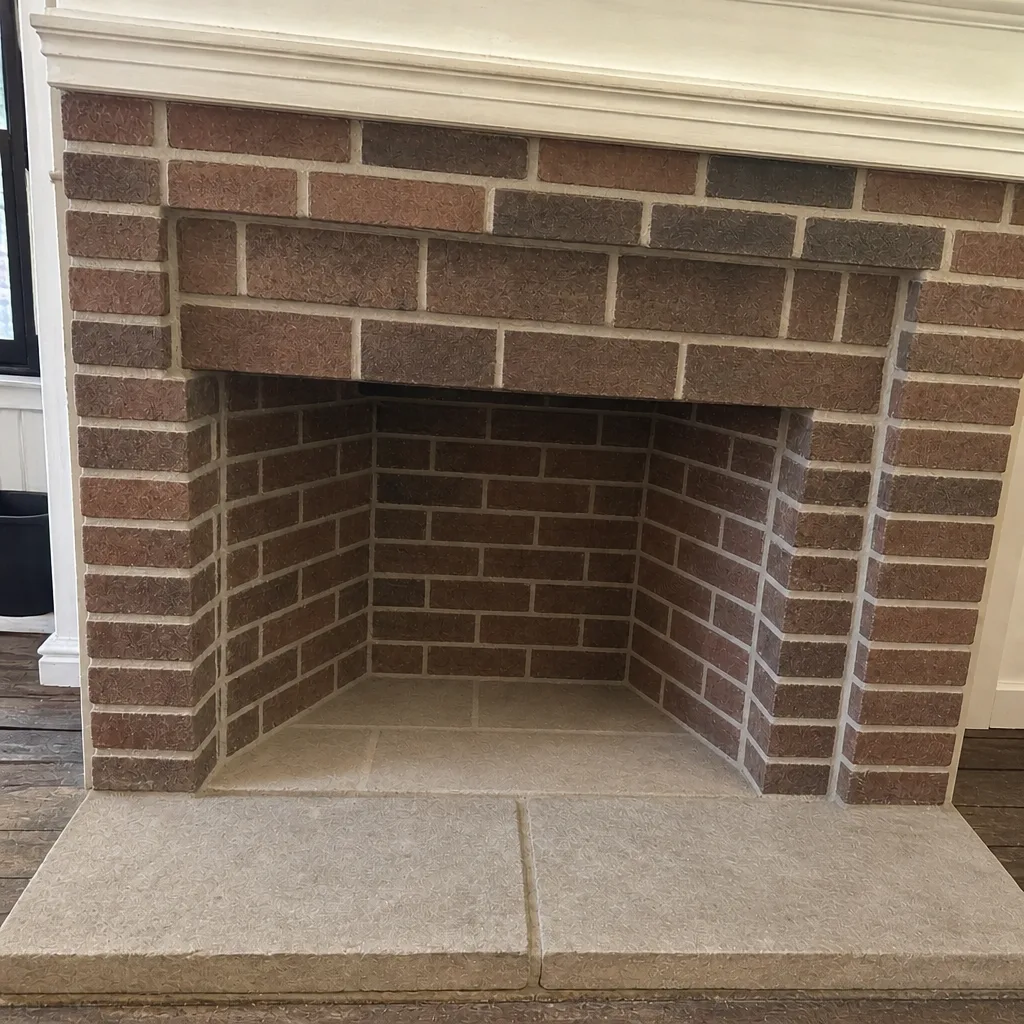 After
When to Call a Professional
Call a chimney professional when you see smoke backing up, smell creosote when the fireplace is off, notice water stains near the chimney, or can see dark glaze inside the firebox. Also call if the chimney hasn’t been inspected in a year, if you’ve changed fuel type, or if you’re buying a Bayside home and want a Level 2 inspection before closing. A camera inspection will tell you what’s actually going on. Chimney Sweep Bayside offers free estimates in Bayside, plus a clear report of what we found and what it will take to fix it. Call (833) 482-5742. We answer 24/7. Fast dispatch from 7am to 7pm, Sunday through Friday.
Frequently Asked Questions
A typical chimney cleaning in Bayside runs in a range that depends on the flue condition, the residue type, access to the roof, and whether the visit includes a Level 2 camera inspection. Standard sweeps and inspections sit at the lower end; glaze removal, smoke chamber resurfacing, or liner replacement add to it. The written estimate you get before any work starts is the final price. Call (833) 482-5742 for an exact quote. Estimates are free.
Yes, if the flue is older or has had a fuel conversion. A camera shows what’s going on inside the flue: cracks, gaps, offset tiles, and the extent of creosote glaze. Without that footage, you’re guessing about repairs you may or may not need. We include camera inspection as part of a standard cleaning visit so you see what we see.
The humid air near Jamaica Bay slows creosote’s drying cycle and speeds the hardening to stage-2 and stage-3 deposits. Stage-3 glaze bonds to the flue wall and requires rotary cleaning or chemical removal rather than a standard brush. That’s why the annual cleaning schedule matters more in Bayside than in drier parts of Queens.
A sweep cleans the flue. A full-service chimney company handles cleaning, inspection, cap and crown repair, liner work, smoke chamber resurfacing, and fireplace repair. Those last items matter because a cleaning visit often reveals a problem that needs repair. Dealing with one company from the firebox to the chimney cap means no referral, no subcontractor, and no gap between diagnosis and fix. That’s the model we work from. Our Chimney Sweep Bayside team offers all five services under one roof.
Once a year for a wood-burning fireplace, and once a year for inspection even with light use. Gas fireplaces still need an annual inspection for venting and carbon monoxide risk. If you burn wood heavily or use unseasoned wood, more frequent cleaning may be needed. Book an annual chimney sweep and you’ll know the flue’s condition each year, so a problem is caught when it’s small.
Reduced draft, smoke backing up, and a higher risk of chimney fire if creosote has built up. For gas, the risk is carbon monoxide venting back into the home. Skipping a cleaning doesn’t produce a dramatic failure on its own schedule. It produces a quiet decline that gets expensive to fix when it finally surfaces. Call (833) 482-5742 to book a cleaning. We answer 24/7.
The Bottom Line
Bayside’s housing stock and its proximity to Jamaica Bay mean a cleaning isn’t just a brush and a vacuum. Oil-to-gas conversions leave residue, humid air hardens creosote faster, and older chimneys carry liner and crown problems that a camera inspection is designed to catch. A full-lifecycle clean covers the firebox, flue, smoke chamber, cap, and crown, and it comes with evidence you can see: footage and photos, not just a verdict. Once a year is the schedule for most Bayside homes. When the flue is clear and the report says it’s sound, the job is finished. When something needs attention, you’ll know what and why.
Written by the team at Chimney Sweep Bayside.